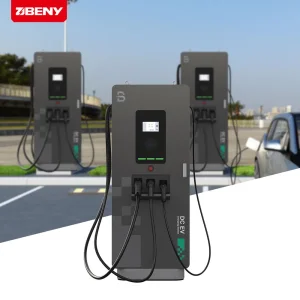
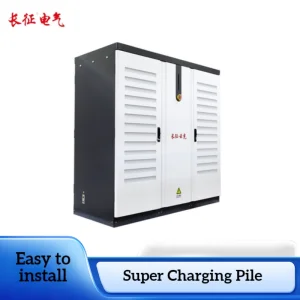
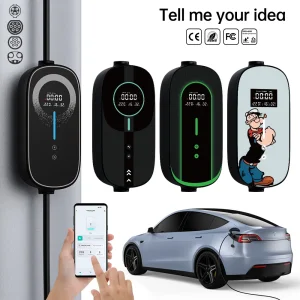
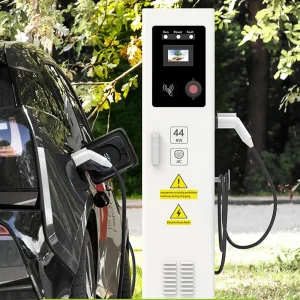
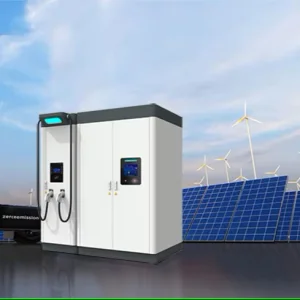
Explore our benchmark-setting commercial DC fast chargers, smart AC stations, custom sheet metal enclosures, and specialized Litz wire engineering designed for high-efficiency global energy infrastructure.
The global transition toward electrification has reached a critical inflection point. Driven by stringent zero-emission mandates, corporate ESG commitments, and rapidly evolving vehicle battery chemistries, the demand for scalable, robust, and intelligent renewable charging technology has outpaced traditional grid infrastructure capabilities. Modern charging networks are no longer simple power outlets; they are sophisticated, bidirectionally communicating energy nodes capable of dynamic load management, solar integration, and real-time fleet analytics.
As commercial enterprise buyers, municipal developers, and operators evaluate top exporter capabilities, evaluating hardware reliability, software interoperability (OCPP 1.6J/2.0.1), thermal tolerance, and raw material sourcing becomes paramount. This whitepaper systematically evaluates the technological state of renewable charging systems, detailing the critical engineering advancements that define the world’s leading technology exporters.
The global electric vehicle charging infrastructure market is undergoing a structural transition from low-power AC residential charging units toward high-power DC fast-charging (HPFC) architectures and integrated microgrids. Key technological drivers shaping the export landscape include:
Traditional charging topologies reliant on legacy Silicon (Si) IGBTs face efficiency bottlenecks and excessive heat dissipation at high power densities. Modern top-tier exporters are transitioning to Silicon Carbide (SiC) MOSFET-based power conversion modules. SiC power electronics operate at higher switching frequencies, reducing magnetic component size while increasing peak energy conversion efficiency beyond 96.5%. This reduces operational cooling power consumption and dramatically lowers operational expenditure (OpEx) for site operators.
To prevent localized electrical grid overload caused by multi-megawatt fast-charging hubs, renewable charging technology exporters are integrating Photovoltaic (PV) solar systems and Battery Energy Storage Systems (BESS) directly into DC charging buses. By buffering utility grid demand with high-capacity lithium-iron-phosphate (LFP) energy storage, commercial operators can deliver ultra-fast charge rates (up to 240kW–400kW per port) without incurring exorbitant grid demand charges or infrastructure upgrade delays.
Hardware alone is insufficient for scalable charging deployment. Leading renewable charging technology exporters incorporate localized edge-computing algorithms capable of Dynamic Load Balancing (DLB) across multiple charging guns. Concurrently, ISO 15118 protocol support enables Vehicle-to-Grid (V2G) and Vehicle-to-Building (V2B) capabilities, empowering EV fleets to act as distributed energy assets that supply power back to the grid during peak pricing windows.
Utilizing high-frequency SiC MOSFET switches, reducing internal thermal losses, shrinking magnetics footprint, and pushing power density to industry-leading levels.
Direct DC bus integration for solar PV and stationary storage, mitigating utility grid spikes and enabling zero-carbon fast-charging infrastructure.
Native support for automatic Plug & Charge authentication, encrypted communication channels, and advanced bidirectional vehicle-to-grid grid balancing.
For enterprise procurement teams, utility managers, and OEM distributors selecting an exporter for renewable charging hardware, rigorous vendor evaluation requires looking far beyond sticker prices. The overall Total Cost of Ownership (TCO) is governed by systemic factors including hardware durability, IP rating standards, wire winding isolation, software customization, and warranty fulfillment.
China has established an unassailable global leadership position in the export of EV charging technology, accounting for the vast majority of worldwide power module production and charging station manufacturing. The country's Industry 4.0 transformation has consolidated the entire upstream and downstream ecosystem—from rare-earth magnetics and power semiconductor packaging to automated SMT board assembly and high-capacity sheet metal enclosure fabrication.
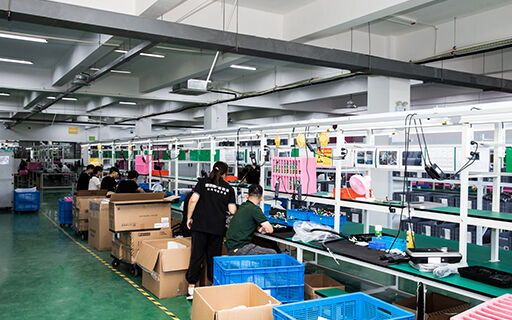
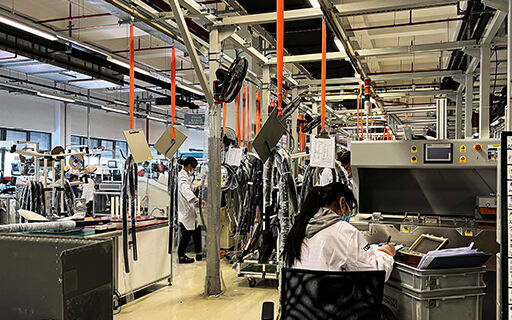
This tightly integrated supply chain resilience provides international buyers with unmatched advantages: flexible OEM/ODM customization capabilities, rapid prototype-to-mass-production cycles, stringent automated burn-in testing protocols, and substantial economies of scale that reduce capital expenditures without compromising build quality or safety certifications (CE, TUV, ETL, RoHS, CQC).
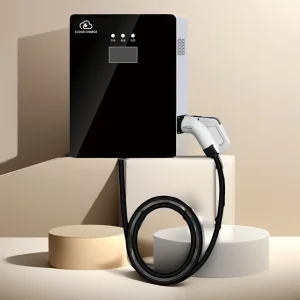
Guangzhou Amp Link Charger Co., Ltd. is a leading high-tech enterprise from China, specializing in the production, research, and sales of electric vehicle charging equipment. Our comprehensive product portfolio includes home AC charging stations, portable AC chargers, and DC fast charging stations.
Our corporate goal: is to build a first-class enterprise and create an international brand. Through our continuous and unremitting efforts, we have now exported our products to more than 20 countries, such as the United States, the United Kingdom, Germany, and France. Our products have passed CE, CQC, and other domestic and foreign authorities issued by the quality inspection certification, and the application of a number of invention patents in the product.
Our product development philosophy: safety as the first guide. The company attaches great importance to quality and technology, each product in the market before, has gone through a lot of testing and verification. We promise that all product parts are from strictly selected quality suppliers. The company will conduct regular checks on the products that have been marketed to ensure the excellent quality of the products and to eliminate cutting corners. Whether you are our regular customers or new customers who just reached out to us for the first time, any questions of yours will be answered within the shortest time. And we have conscientious after-services, any problems with our products will be followed up on responsibly by our professionals until they're solved perfectly.
We sincerely invite like-minded partners from all over the world to work with us, making the EV charger better and better. Together, Let's seize the opportunity of the golden age and forge ahead.
Deploying renewable charging hardware demands tailored technical solutions suited to geographic, electrical, and commercial constraints. Exporters must provide dynamic configurations depending on localized site demands:
High-density AC (7kW-22kW) and moderate DC (20kW-40kW) chargers featuring RFID access control, LED status display screens, and automated employee billing apps to manage multi-vehicle fleet parking overnight or during business hours.
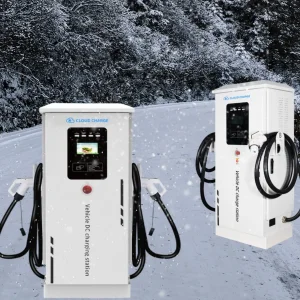
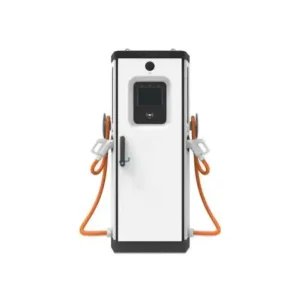
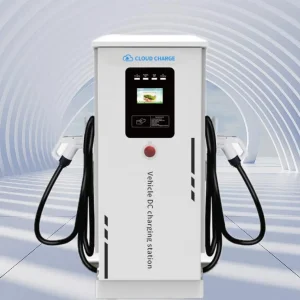
Heavy-duty, weatherized IP54/IP65 80kW to 240kW DC fast chargers equipped with liquid-cooled or high-airflow guns, dual/triple CCS2 connectors, and integrated battery energy storage for rapid turnaround times along freight corridors.
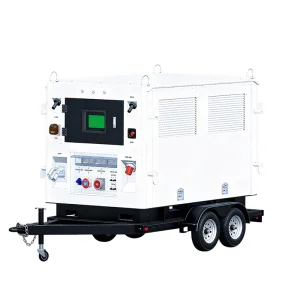
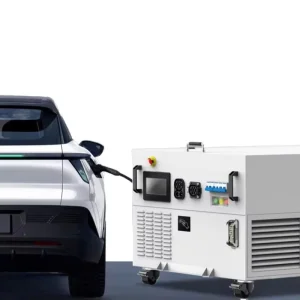
Self-contained, mobile charging units equipped with high-capacity lithium storage (e.g., 215kWh battery integrated with 100kW CCS charging) and portable smart chargers designed for emergency rescue, rural areas, and ungrid-connected microgrids.
Expert answers to common engineering, international compliance, and OEM/ODM sourcing inquiries from global buyers.
Complete product offerings including portable smart chargers, integrated solar-battery stations, mobile multi-device chargers, and vehicle management apps.
 Amp Link Charger