Engineered for harsh tropical climates and fluctuating power grids. Immediate deployment assets optimized for cities like Malabo and Bata.
Equatorial Guinea is embarking on a forward-looking transition within its energy sector. Under the National Economic and Social Development Plan (Horizonte 2035), the government is prioritizing economic diversification and environmental sustainability. Decarbonizing the transportation network, which currently relies on refined liquid fuels, has emerged as a cornerstone of this strategy. With the development of the clean energy generation projects in continental Río Muni—anchored by large-scale hydroelectric assets like the Djibloho Dam—and the growth of solar initiatives on Bioko Island, the country is uniquely positioned to power electric vehicles with zero-carbon energy.
Deploying public EV charging networks in urban centers like Malabo and Bata requires localized engineering. Establishing high-capacity public networks is key to supporting this transition. This deployment must withstand a unique set of challenges, including high relative humidity, coastal air salinity, and localized voltage fluctuations. By integrating resilient charging infrastructure, municipal authorities and private fleet operators can leverage domestic electricity resources. This shifts energy demand away from imported hydrocarbons toward domestic generation, optimizing national capital efficiency.
Adapting DC fast charging terminals to protect sensitive rectifiers against power grid voltage transients.
Tailoring fleet-level billing systems for municipal buses and private transport systems.
Pairing EV charging networks with localized solar microgrids to ensure energy access in rural regions.
A comprehensive look at international standards, procurement benchmarks, and system integration strategies.
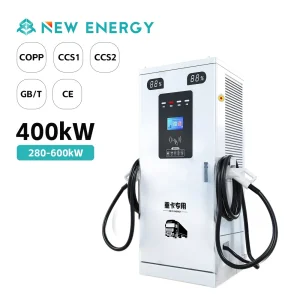
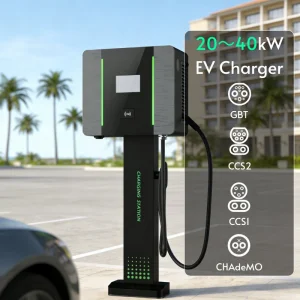
Enterprise procurement agents sourcing infrastructure for Central Africa must look beyond initial hardware costs. For a public charging network to be viable, the total cost of ownership (TCO) must factor in system uptime, reliability, and maintenance cycles. Standardizing protocols like CCS2 (European Standard) and GB/T (Chinese Standard) is critical. Dual-connector configuration options on a single dispenser allow operators to serve vehicles imported from both European and Asian markets without requiring costly adapter kits. Additionally, integrating Open Charge Point Protocol (OCPP) 1.6J or 2.0.1 via JSON enables operators to run uniform payment collection, remotely manage chargers, and balance loads using cloud-based management systems.
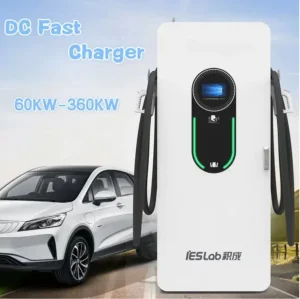
From an electrical engineering standpoint, local grid profiles require built-in power protection. Frequent voltage swells, sags, and transient surges can damage unshielded charging controllers. High-quality charging stations feature integrated safety components, including Class II surge protection devices (SPDs), over-temperature derating mechanisms, residual current devices (type B RCDs), and galvanic isolation transformers. High-power DC charging cabinets (ranging from 120kW to 360kW) must be configured with modular power modules. This modularity ensures that if a single 30kW or 40kW module fails, the station can continue operating at reduced capacity rather than shutting down completely.
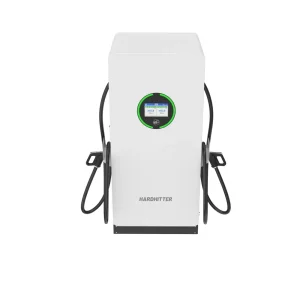
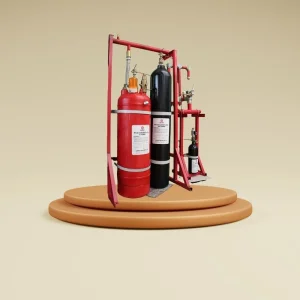
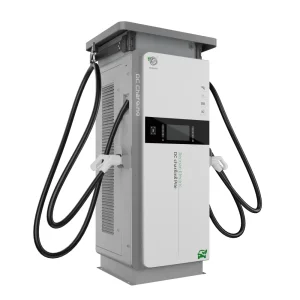
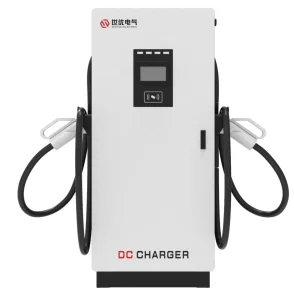
High-performance Level 3 DC fast chargers and fire suppression hardware designed for high-density depots.
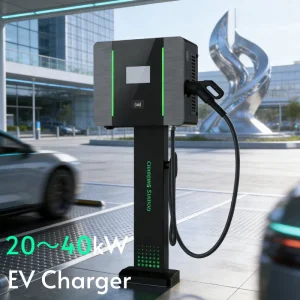
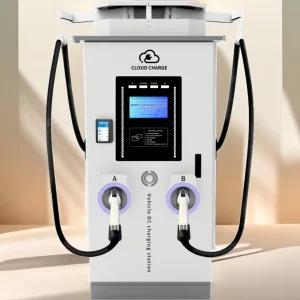
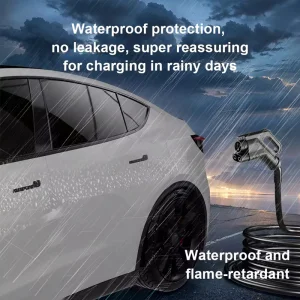
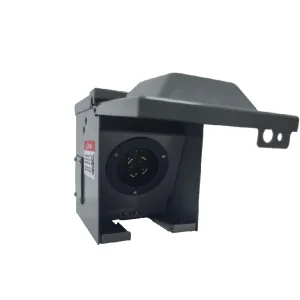
Equatorial Guinea's humid tropical climate (characterized by average relative humidity values exceeding 85% and elevated coastal salinity levels in coastal areas like Malabo and Bata) presents unique engineering challenges. High humidity and salt air accelerate the corrosion of electrical connections and can cause condensation on internal control boards. Standard off-the-shelf indoor chargers are highly vulnerable to failure under these conditions. To counter this, public EV charging cabinets must be engineered to meet IP54 ratings (or IP65 for internal electronics enclosures) and feature conformally coated PCBs to protect against salt mist and moisture intrusion.
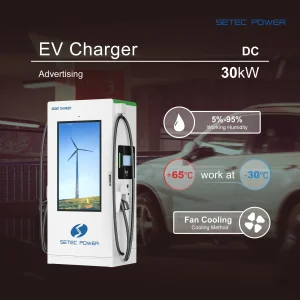
In addition to climate resilience, thermal management is key to maintaining charger efficiency. High ambient temperatures degrade power conversion efficiency, causing thermal throttling. Amp Link’s DC fast chargers utilize smart liquid cooling and high-volume forced-air cooling systems, which allow them to operate at full capacity at temperatures up to 50°C. To safeguard high-power installations, our setups integrate automated Perfluorohexanone fire suppression systems. This agent rapidly suppresses electrical fires without leaving residue, minimizing downtime and protecting adjacent equipment.
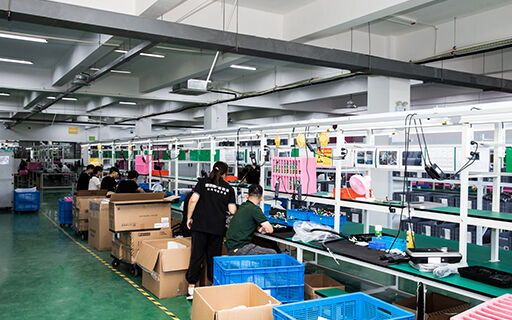
China's leading high-tech enterprise specializing in electric vehicle charging systems with verified global exports.
Guangzhou Amp Link Charger Co., Ltd. is a leading high-tech enterprise from China, specializing in the production, research, and sales of electric vehicle charging equipment. Our comprehensive product portfolio includes home AC charging stations, portable AC chargers, and DC fast charging stations. With a dedicated team of R&D engineers, we focus on pushing the boundaries of power electronics, software integration, and safety systems.
Our corporate goal is to build a first-class enterprise and create an international brand. Through our continuous and unremitting efforts, we have now exported our products to more than 20 countries, such as the United States, the United Kingdom, Germany, and France. Our products have passed CE, CQC, and other domestic and foreign authorities issued by the quality inspection certification, and the application of a number of invention patents in the product.
Our product development philosophy: safety as the first guide. The company attaches great importance to quality and technology, each product in the market before, has gone through a lot of testing and verification. We promise that all product parts are from strictly selected quality suppliers. The company will conduct regular checks on the products that have been marketed to ensure the excellent quality of the products and to eliminate cutting corners. Whether you are our regular customers or new customers who just reached out to us for the first time, any questions of yours will be answered within the shortest time. And we have conscientious after-services, any problems with our products will be followed up on responsibly by our professionals until they're solved perfectly.
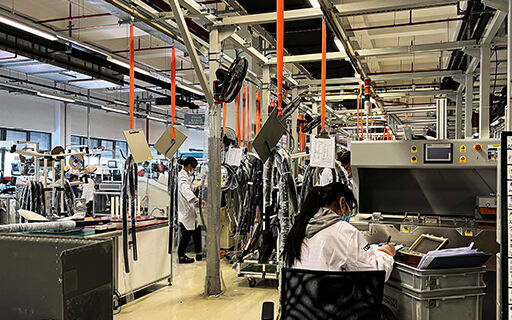
Every charging system leaving our state-of-the-art manufacturing plant undergoes rigorous verification protocols to ensure reliable performance. These include:
This systematic approach ensures that operators in Equatorial Guinea receive highly reliable charging infrastructure that performs consistently from day one.
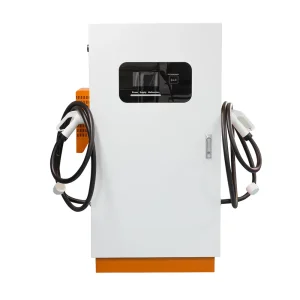
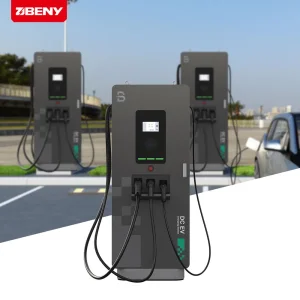
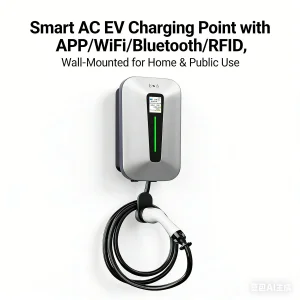
Explore our comprehensive range of high-capacity DC fast chargers, wall-mounted units, and commercial fleet charging points.
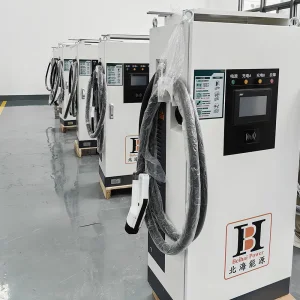
Deploying public EV networks in Central Africa requires close coordination with domestic agencies like the National Electricity Company (SEGESA). Ensuring standards compliance helps developers navigate local grid approvals and secure project financing. Our charging stations hold comprehensive global certifications, including CE (LVD, EMC) and RoHS, which align with Equatorial Guinea's importing frameworks. This documentation streamlines customs clearance and grid interconnection applications at municipal levels.
Beyond hardware compliance, maintaining long-term uptime requires reliable regional service. Amp Link addresses this by offering specialized field training for local engineering teams, supplying plug-and-play modular replacement parts, and providing 24/7 technical support. Should a system fault occur, our cloud diagnostics allow technicians to identify the root cause remotely. This enables local teams to perform quick, targeted component swaps, keeping offline periods to a minimum. Our commitment to reliable support ensures that your charging assets remain highly available and productive over their entire lifespan.
Essential technical answers for grid operators, project managers, and procurement officers.
Partner with Guangzhou Amp Link Charger Co., Ltd. to deploy reliable, high-performance charging infrastructure tailored for Equatorial Guinea. Contact our engineering team for custom drawings, technical specifications, and bulk pricing.
 Amp Link Charger