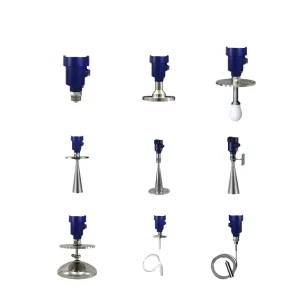
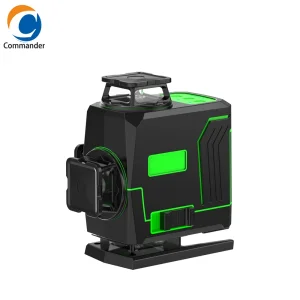
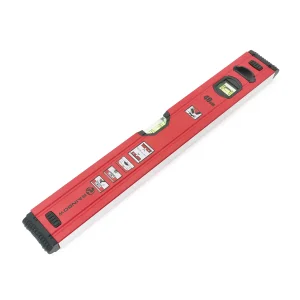
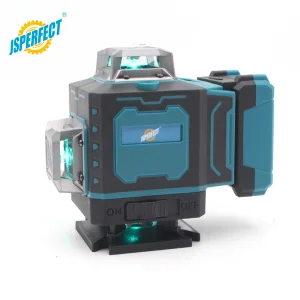
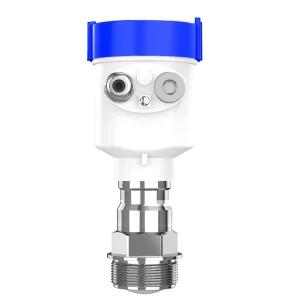
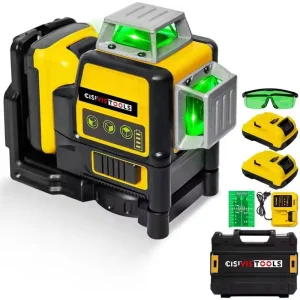
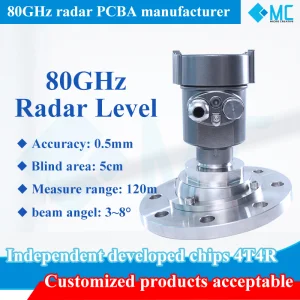
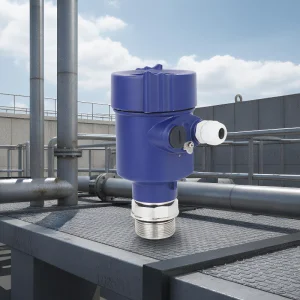
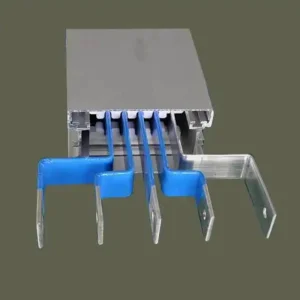
Deploying high-reliability electric vehicle charging infrastructure requires flawless site evaluation and environmental monitoring. These tools provide the structural precision required for Tarawa's challenging topography and electrical layouts.
Kiribati's transition toward sustainable e-mobility demands highly customized engineering. With its geographic configuration spanning 33 low-lying atolls, the nation relies heavily on localized diesel generation and rapidly expanding solar photovoltaic (PV) mini-grids. Under the Kiribati Integrated Energy Roadmap (KIER), standard charging hardware is insufficient due to severe environmental and utility constraints.
Standard Level 1 and Level 2 AC chargers must be engineered to withstand extreme relative humidity (often exceeding 85%), high salt spray (saline atmospheric conditions), and utility grids characterized by frequent voltage fluctuations. Our specialized EVSE (Electric Vehicle Supply Equipment) portfolio addresses these challenges by incorporating advanced power electronics that run smoothly on unstable networks and couple directly with battery energy storage systems (BESS).
As remote islands minimize fossil fuel reliance, e-mobility integration must not destabilize fragile localized distribution systems. Our high-tech EVSE line-up introduces intelligent grid-interfacing capabilities designed for island nations.
This table compares our commercial and residential charging hardware specifications under typical tropical microgrid parameters encountered across South Tarawa and outer islands like Kiritimati (Christmas Island).
| Parameters | Level 1 Portable AC Chargers | Level 2 Wallbox & Pedestal Stations |
|---|---|---|
| Voltage Input | Single Phase: 110V - 240V AC | Single Phase: 208V / 240V AC | Three Phase: 400V AC |
| Amperage Settings | 8A / 10A / 13A / 16A adjustable | 16A / 32A / 40A / 48A / 72A configurable |
| Charging Power Range | 1.8 kW to 3.7 kW | 7.2 kW to 22 kW |
| Grid Impact Profile | Low-stress, continuous load | Medium load, dynamic throttling recommended |
| Recommended Use Case | Residential, remote outer islands, emergency kits | Government ministries, commercial depots, marine ports |
| Ingress Rating & Materials | IP66, high-strength PC/ABS enclosure | IP65 / IP66, Marine-grade aluminum & UV-resistant shell |
Due to geographical isolation, replacement parts and site maintenance on remote islands can carry excessive lead times. Guangzhou Amp Link Charger Co., Ltd. addresses this challenge by engineering chargers with maximum component autonomy, modular sub-assemblies, and industry-leading diagnostic features.
Active cooling fans are prone to drawing in highly corrosive marine salt air, accelerating internal PCB corrosion. Our Level 1 and Level 2 chargers use heavy-duty heat sinks and passive thermal dissipation designs. Conformal coating is applied to all PCBs to block moisture, salt spray, and atmospheric contaminants.
Under solar peak-shaving protocols, our chargers communicate directly with localized solar inverters. When cloud cover limits battery output, the charger automatically reduces output power (e.g., throttling from 7.4 kW to 3.6 kW) to preserve the grid's operational frequency.
Because Kiribati's grids are vulnerable to line disturbances, all our charging stations feature integrated Class B + C surge protective devices (SPD) and high-tolerance OVP thresholds, preserving EV batteries from grid-side volatility.
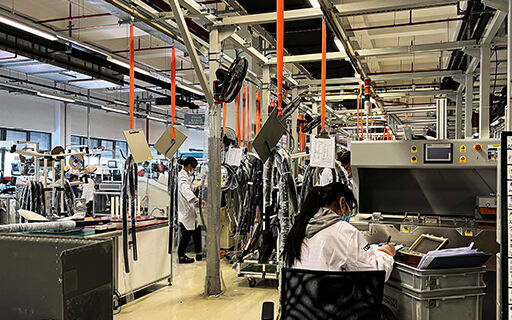
Rigorous environmental testing chamber simulating saline and thermal extremes.
Guangzhou Amp Link Charger Co., Ltd. is a leading high-tech enterprise from China, specializing in the production, research, and sales of electric vehicle charging equipment. Our comprehensive product portfolio includes home AC charging stations, portable AC chargers, and DC fast charging stations.
Our corporate goal is to build a first-class enterprise and create an international brand. Through our continuous and unremitting efforts, we have exported our products to more than 20 countries, including the United States, the United Kingdom, Germany, and France. Our products have passed CE, CQC, and other domestic and foreign authorities' quality inspection certifications, with multiple invention patents applied across our product line.
Our product development philosophy prioritizes safety as the first guide. The company attaches great importance to quality and technology; each product undergoes rigorous testing and verification before entering the market. We guarantee that all product components are sourced from strictly vetted quality suppliers. The company conducts regular audits of commercialized products to maintain performance levels and prevent compromised standards.
We invite like-minded partners from all over the world—including municipal bodies, energy departments, and electrical distributors across Kiribati and the Pacific—to work with us in scaling e-mobility infrastructure.
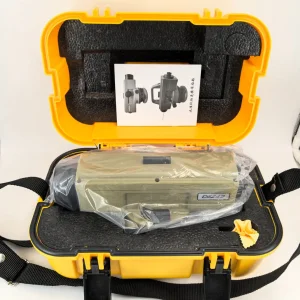
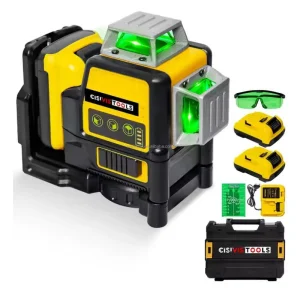
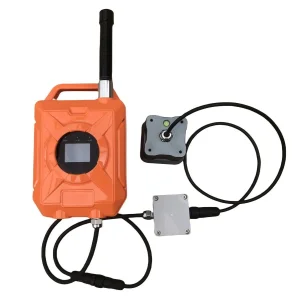
Proper mechanical alignment and structural leveling are critical to preventing structural failure under heavy winds and maritime conditions. The following alignment, positioning, and level-sensor instruments support precise installation of EV chargers and micro-grid substations.
Get professional insight on standard requirements, logistics, and technical specifications for grid-compliant e-mobility installations in remote coastal climates.
 Amp Link Charger