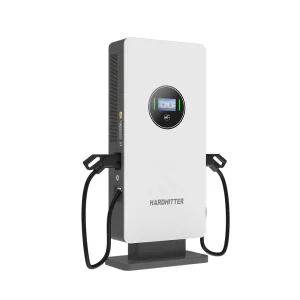
As the global energy matrix undergoes a structural paradigm shift, standalone electric vehicle supply equipment (EVSE) is no longer sufficient. Industrial operations, municipal networks, and commercial real estate developers demand highly resilient, grid-interactive, and custom OEM integrated charging solutions.
Megawatt-level fast-charging architectures impose severe stress on regional distribution grids. Integrating high-performance dynamic load balancing algorithms is crucial to stabilize local network assets during peak demand hours.
Decarbonization is limited if energy sourcing remains carbon-heavy. Next-generation infrastructures merge Photovoltaic (PV) arrays, Battery Energy Storage Systems (BESS), and intelligent DC-to-DC topology to bypass typical grid capacity constraints.
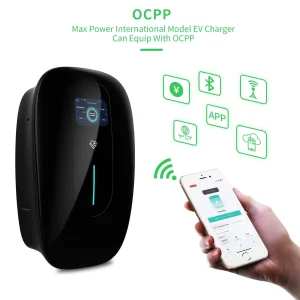
Global operations demand absolute compatibility across diverse vehicular platforms. Standardizing on Open Charge Point Protocol (OCPP) versions 1.6J and 2.0.1 secures fleet utility across North American, European, and Asia-Pacific markets.

Standard charging products lack the flexibility required by enterprise logistics terminals, remote off-grid operations, and premium commercial estates. Our custom OEM designs prioritize modular power blocks, dynamic power routing, and robust environmental enclosures.
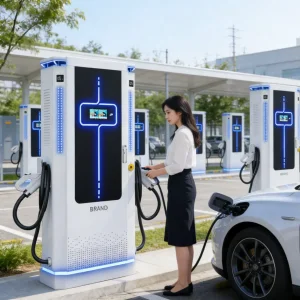
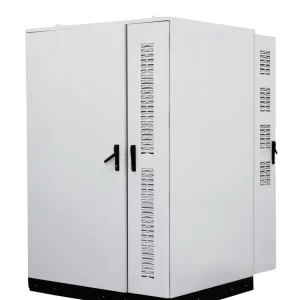
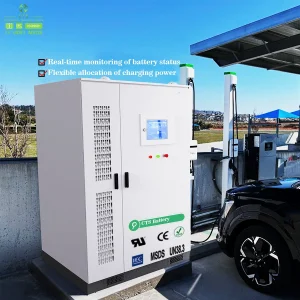
By separating the central power storage and conversion cabinet from the user interface dispenser, we reduce spatial footprint at the parking bay. This setup enables cost-efficient field servicing, allowing modules to be swapped out without disabling the entire charging hub.
With integrated solar management systems, the transition between grid power, dynamic energy storage, and local renewable generation becomes seamless. This configuration maximizes local generation utilization while mitigating grid utility fees.
Investing in EV infrastructure requires looking 5 to 10 years into the future. Technologies must scale alongside improvements in battery chemistry, vehicle communication standards, and software management suites.
Transforming electric vehicle fleets into virtual power plants (VPPs). Bidirectional charging systems powered by ISO 15118 allow vehicles to discharge stored energy back into local microgrids, lowering operations costs during peak demand spikes.
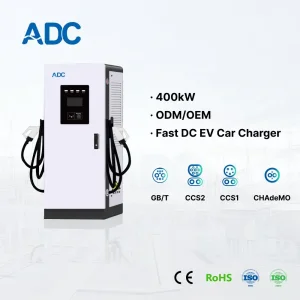
Standard cooling configurations face thermal bottlenecks above 150 kW. Liquid-cooled cabling and modular heat dissipation paths allow continuous delivery of up to 400 kW of current. This keeps terminal temperatures low, maintaining cable flexibility and user safety.
Leveraging continuous MQTT and WebSocket telemetry, our systems analyze internal component wear, insulation status, and environmental conditions. This data-driven approach detects anomalies before they lead to hardware failures.
Guangzhou Amp Link Charger Co., Ltd. is a leading high-tech enterprise from China, specializing in the production, research, and sales of electric vehicle charging equipment. Our comprehensive product portfolio includes home AC charging stations, portable AC chargers, and DC fast charging stations.
Our corporate goal is to build a first-class enterprise and create an international brand. Through our continuous and unremitting efforts, we have now exported our products to more than 20 countries, such as the United States, the United Kingdom, Germany, and France. Our products have passed CE, CQC, and other domestic and foreign authorities issued by the quality inspection certification, and the application of a number of invention patents in the product.
Our product development philosophy: safety as the first guide. The company attaches great importance to quality and technology, each product in the market before, has gone through a lot of testing and verification. We promise that all product parts are from strictly selected quality suppliers. The company will conduct regular checks on the products that have been marketed to ensure the excellent quality of the products and to eliminate cutting corners. Whether you are our regular customers or new customers who just reached out to us for the first time, any questions of yours will be answered within the shortest time. And we have conscientious after-services, any problems with our products will be followed up on responsibly by our professionals until they're solved perfectly.
We sincerely invite like-minded partners from all over the world to work with us, making the EV charger better and better. Together, Let's seize the opportunity of the golden age and forge ahead.
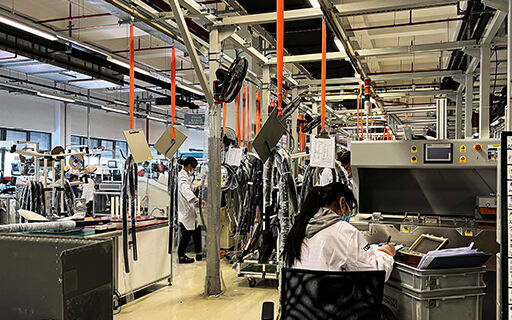
Different industries present unique operational demands, environmental conditions, and grid constraints. Below are our optimized configurations designed for commercial, residential, and remote environments.
Designed for multi-tenant office complexes and commercial facilities, this system combines smart load management with billing flexibility. Supports dynamic energy pricing, employee-specific access controls via RFID or mobile applications, and integrates with existing property management software.
Optimized for rapid vehicle turnaround times. Utilizing 360 kW and 400 kW high-output DC charging ports, logistics fleets can return vehicles to service quickly. Incorporates scheduling features that prioritize charging based on upcoming delivery routes and dispatch times.
Designed for remote operations, mines, and remote locations with limited grid access. Features solar and energy storage systems in robust NEMA 4X / IP55 enclosures. Includes passive thermal systems to ensure stable charging in extreme outdoor conditions.
Detailed technical answers to common engineering, procurement, and deployment questions about custom OEM charging infrastructure.
 Amp Link Charger