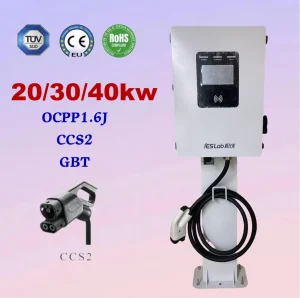
New Zealand Enterprise Grade 20-40kw DC Fast Charger with Intelligent Load Balancing
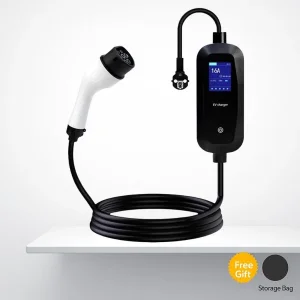
Rugged Portable 10A-32A EV Charger for NZ Remote Field Work & Emergencies
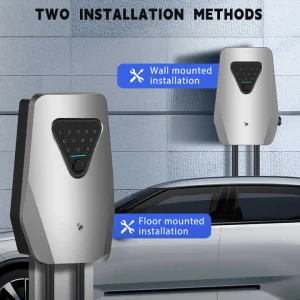
Industrial IP66 Rated Wall-Mounted EV Station for Coastal New Zealand Environments
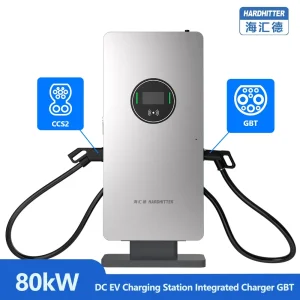
80kw High-Efficiency CCS2 Charging Station for Wellington Corporate Fleets
New Zealand is currently witnessing a paradigm shift in corporate mobility. With the government’s commitment to achieving net-zero emissions by 2050, businesses across Auckland, Wellington, Christchurch, and Hamilton are increasingly recognizing that "Workplace EV Charging" is no longer a luxury—it is a strategic necessity. As a premier Workplace EV Charging Solutions Factory & Exporter, we provide the hardware and intelligence required to navigate this transition.
In New Zealand, the "Clean Car Discount" and various EECA (Energy Efficiency and Conservation Authority) initiatives have accelerated the adoption of electric vehicles. However, the challenge for many Kiwi businesses lies in infrastructure. Most commercial buildings in the CBD areas of New Zealand were not originally designed to handle the high electrical loads required for simultaneous EV charging. This is where our Smart Power Management Solutions come into play, allowing businesses to install multiple chargers without expensive grid upgrades.
The trend is moving toward Fleet Electrification. Logistics companies in South Auckland and Tauranga are replacing diesel vans with EV alternatives. Consequently, the demand for DC Fast Charging (20kw to 240kw) within workplace depots has skyrocketed. Furthermore, there is a growing emphasis on OCPP (Open Charge Point Protocol) compatibility, ensuring that Kiwi business owners are not locked into a single software provider, allowing for seamless integration with national billing platforms like ChargeNet or OpenLoop.
Minimize downtime for commercial fleets with our 40kW-240kW DC stations optimized for NZ's Type 2/CCS2 standards.
Leverage New Zealand's high solar potential with chargers that sync directly with rooftop PV arrays to provide "Green Charging."
Cloud-based monitoring allows NZ facility managers to track energy usage, set billing rates, and manage load in real-time.
For high-rise office buildings, space is at a premium. Our compact Wall-Mounted AC chargers with RFID access control ensure that only employees can access the power, while the "Load Shifting" feature ensures the building's elevators and HVAC systems are never compromised during peak charging hours.
New Zealand's backbone is its primary industry. We export Industrial-Grade, IP66 rated chargers specifically designed to withstand the dust of farms and the high salt-spray environments of coastal regions like Napier. These units are perfect for electric ATVs and utility vehicles used in the viticulture and dairy sectors.
For distribution hubs near Auckland Airport or the Port of Lyttelton, we provide Dual-Port DC Fast Chargers. These units allow two delivery vans to charge simultaneously at high speeds, ensuring that "Last Mile" delivery fleets are always ready for the morning run.
Guangzhou Amp Link Charger Co., Ltd. is a leading high-tech enterprise from China, specializing in the production, research, and sales of electric vehicle charging equipment. Our comprehensive product portfolio includes home AC charging stations, portable AC chargers, and DC fast charging stations.
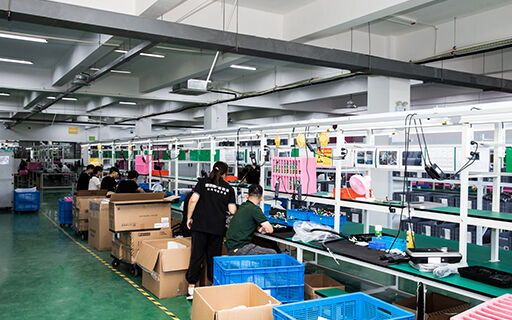
Our corporate goal: is to build a first-class enterprise and create an international brand. Through our continuous and unremitting efforts, we have now exported our products to more than 20 countries, such as the United States, the United Kingdom, Germany, France, and notably, New Zealand. Our products have passed CE, CQC, and other domestic and foreign authorities issued by the quality inspection certification, and the application of a number of invention patents in the product.
Our product development philosophy: safety as the first guide. The company attaches great importance to quality and technology, each product in the market before, has gone through a lot of testing and verification. We promise that all product parts are from strictly selected quality suppliers. The company will conduct regular checks on the products that have been marketed to ensure the excellent quality of the products and to eliminate cutting corners.
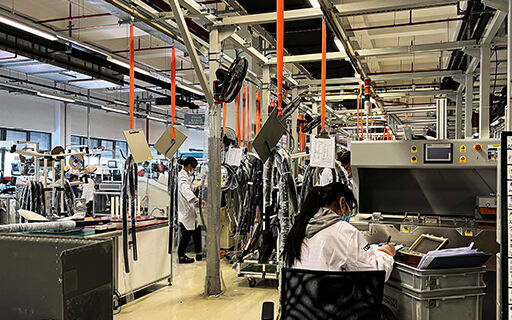
Whether you are our regular customers or new customers who just reached out to us for the first time, any questions of yours will be answered within the shortest time. And we have conscientious after-services, any problems with our products will be followed up on responsibly by our professionals until they're solved perfectly. We sincerely invite like-minded partners from all over the world to work with us, making the EV charger better and better. Together, Let's seize the opportunity of the golden age and forge ahead.
As we look toward 2030, the New Zealand market is pivoting towards V2G (Vehicle-to-Grid) and V2X (Vehicle-to-Everything) technology. This allows the workplace to not just consume power, but to use the combined battery capacity of its employees' vehicles as a giant energy storage system. Our R&D team is already integrating these bi-directional capabilities into our next-generation workplace stations.
For New Zealand property developers, installing EV infrastructure is now a key factor in GRESB (Global Real Estate Sustainability Benchmark) scores. By integrating our OCPP 2.0.1 compliant chargers, developers in cities like Christchurch can future-proof their assets against evolving environmental regulations and tenant demands.
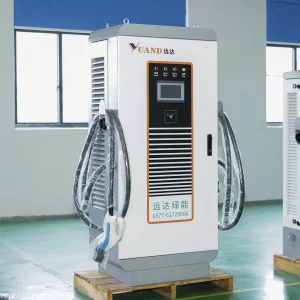
Christchurch Multi-Unit Industrial-Grade Deployment Solution
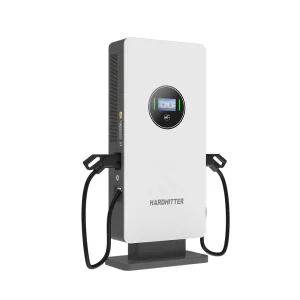
Turnkey Solutions for New Zealand Real Estate & Apartment Complexes
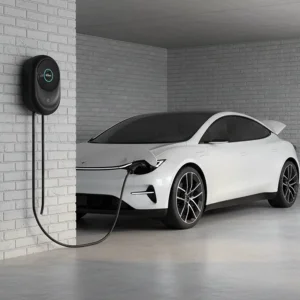
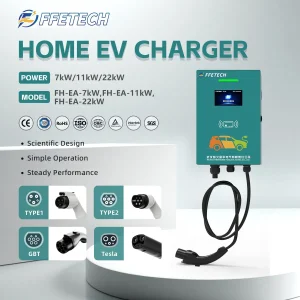
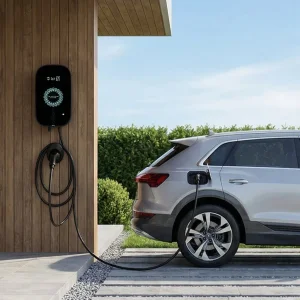
Versatile Commercial-to-Residential Cross-Platform Solutions
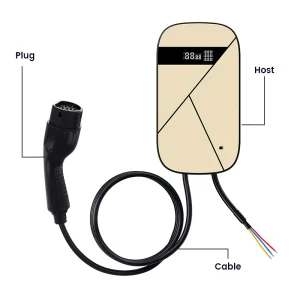
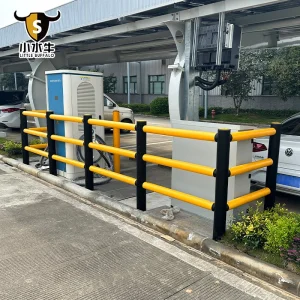
Safety Barriers for NZ High-Traffic Workplace Charging Zones
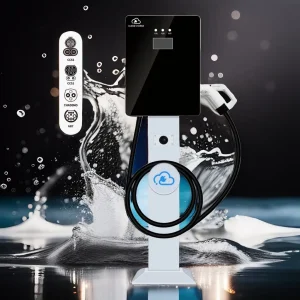
OEM/ODM OCPP 2.0 DC Fast Chargers for New Zealand Infrastructure
When exporting to New Zealand, we ensure every unit meets the local AS/NZS 3000:2018 electrical standards. The unique geography of New Zealand—ranging from the subtropical north to the sub-antarctic south—requires hardware that can perform under extreme temperature fluctuations. Our Workplace EV Charging units feature advanced thermal management systems that prevent derating even during the height of the Kiwi summer.
Load Management: The NZ Solution. Many office parks in suburbs like Penrose or Wiri face electrical grid constraints. Our chargers utilize Dynamic Load Management (DLM). This technology communicates with the building’s main smart meter in real-time. If the office's air conditioning units spike in power usage, the EV chargers automatically throttle their output to prevent a blackout, ramping back up once the base load drops. This intelligence saves NZ businesses thousands in "Demand Charges" from utility providers like Vector or Orion.
User Experience and Local Integration. For a workplace solution to be successful in New Zealand, it must be user-friendly. Our integrated mobile apps support local Kiwi payment methods and can be localized to the Māori language to support cultural diversity in the workplace. Employees can receive notifications on their smartphones when their vehicle is fully charged, encouraging them to move the car and free up the bay for a colleague—a vital feature for offices with limited parking spaces.
Cybersecurity in Charging Infrastructure. As these chargers are connected to the workplace’s local area network (LAN), we prioritize cybersecurity. Every station exported to NZ comes with encrypted communication protocols (TLS 1.2 or higher) to prevent unauthorized access to the corporate network through the charging port.
In conclusion, our role as a Workplace EV Charging Solutions Factory & Exporter is to provide more than just hardware. We provide a sustainable future for New Zealand businesses, ensuring that as the country moves away from fossil fuels, the Kiwi workforce remains mobile, efficient, and environmentally responsible.
 Amp Link Charger