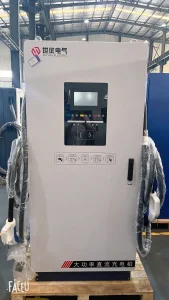
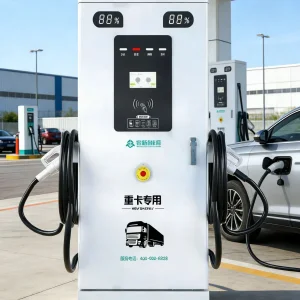
Premium high-power DC units optimized for demanding heavy-duty operations and transit depots in the Democratic Republic of the Congo.
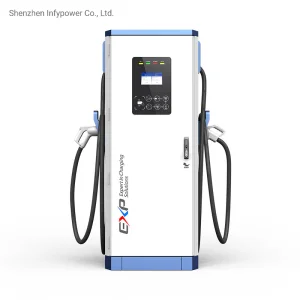
The Democratic Republic of the Congo (DRC) stands at the core of the global green energy transition, supplying over 70% of the world’s cobalt and vast reserves of copper. However, the paradox of sourcing transition metals while running domestic mining logistics on imported diesel is driving a major shift. Forward-thinking mining houses in regions like Lualaba (Kolwezi) and Haut-Katanga (Lubumbashi) are accelerating the electrification of their support fleets, heavy transport trucks, and staff mobility operations.
Simultaneously, municipal centers like Kinshasa are confronting urban transit challenges, positioning electric buses as the backbone of sustainable public transit. To support this massive transition, the deployment of robust EV fleet charging management platforms and ultra-fast charging hardware is essential.
Guangzhou Amp Link Charger Co., Ltd. delivers engineered industrial-grade DC fast charging systems designed to withstand the unique environment of the DRC—including dust-heavy mine sites, high ambient temperatures, and volatile power grids.
Deploying heavy EV charging infrastructure under grid constraints requires intelligent load management and localized power buffers.
The primary bottleneck for high-power DC fast charging in DR Congo is the local grid capacity managed by SNEL (Société Nationale d'Électricité). Heavy industrial users and fleet operators face voltage instability, brownouts, and localized load limits. To bypass these constraints, our fleet charging systems are engineered for seamless integration with off-grid and hybrid microgrid configurations:
Monitors site-wide power draw in real-time, throttling EV charging output dynamically to prevent substation overloads and avoid high peak-demand surcharges.
Supports direct interface with Photovoltaic (PV) arrays and Battery Energy Storage Systems via Modbus TCP, enabling clean, solar-driven fleet dispatch charging.
Enables advanced smart-charging profiles, remote diagnostics, plug-and-charge (ISO 15118), and secure billing for multi-tenant mining and heavy shipping routes.
Countries Exported
Max Output Architecture
Ingress Protection Rating
Future-Proof Connectivity
A structured comparison of DC charger topologies designed for heavy industries, truck logistics, and commuter operations in DR Congo.
| Charging Station Type | Power Rating (kW) | Ideal Application (DR Congo) | Primary Connectors | Smart Protocol Features |
|---|---|---|---|---|
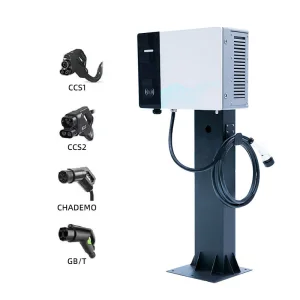
| Low-Footprint DC Station | 30kW - 60kW | Mining staff shuttles, logistics delivery vans, light-duty commercial vehicles. | CCS2 / CCS1 / CHAdeMO | OCPP 1.6J, RFID authentication, mobile app payment integration. |
| All-in-One Dual Gun Fast Charger | 120kW - 240kW | Commercial truck stops, freight hubs, urban bus terminals in Kinshasa. | Dual CCS2 (Dynamic Allocation) | Adaptive power sharing, localized peak-shaving, liquid-cooled option. |
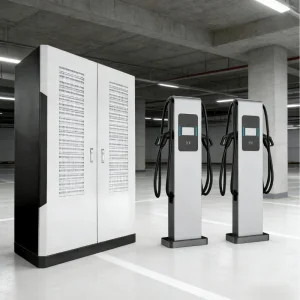
| Split-Type Megawatt Hub | 360kW - 640kW | Heavy haulage copper/cobalt dump trucks, continuous mineral logistics corridors. | Multi-dispenser CCS2 / MCS ready | Smart dynamic matrix allocation, remote dispatch management, integrated BESS bridge. |
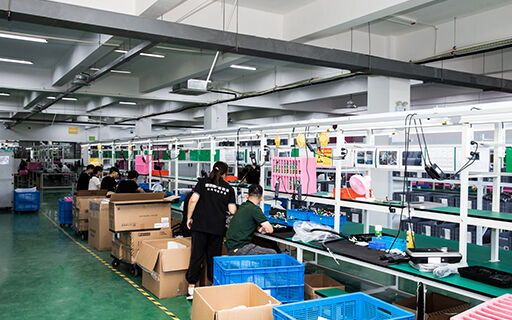
Guangzhou Amp Link Charger Co., Ltd. is a leading high-tech enterprise from China, specializing in the production, research, and sales of electric vehicle charging equipment. Our comprehensive product portfolio includes home AC charging stations, portable AC chargers, and DC fast charging stations built to international standards.
Our corporate goal is to build a first-class enterprise and create an international brand. Through our continuous and unremitting efforts, we have exported our products to more than 20 countries, including the United States, the United Kingdom, Germany, and France. Our products have passed CE, CQC, and other domestic and foreign authority-issued quality inspections, and carry a number of utility and design patents.
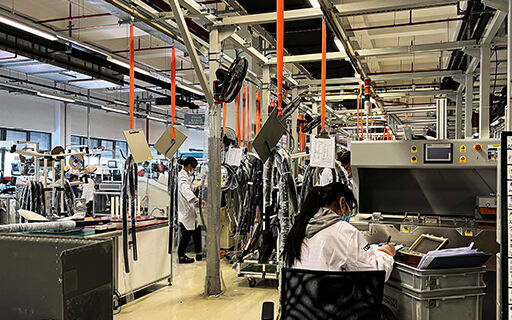
Our product development philosophy places safety as the first guide. We attach great importance to quality and technology. Every product goes through verification and testing before entering the market. We promise that all product components are sourced from strictly vetted, high-quality suppliers. The company conducts regular audits on marketed products to maintain standard quality and eliminate cutting corners. Whether you are a regular client or a new partner reaching out to us for the first time, our professionals will answer your questions promptly, providing reliable post-sales support that stays with you until the issue is solved.
A comprehensive lineup of high-efficiency DC fast charging stations designed to support electric trucks, buses, and heavy commercial machinery fleets.
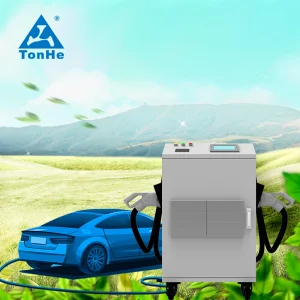
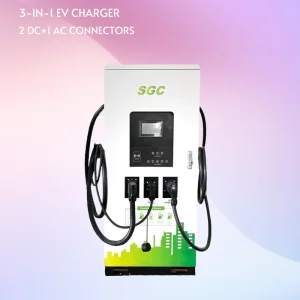
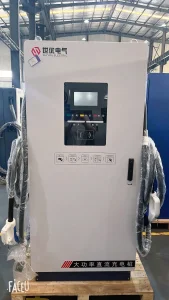
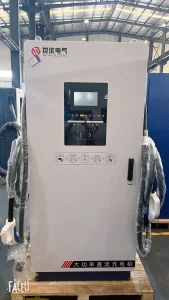
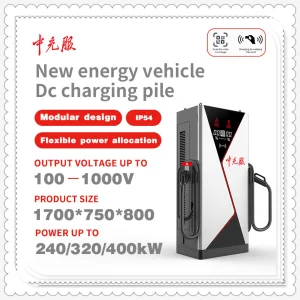
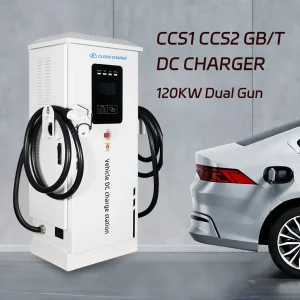
Operating EV fleets in regions like the Katanga copper belt requires equipment that handles challenges far beyond typical commercial deployments. High ambient dust (particularly fine silica and mineral particulates), humidity fluctuations, heat levels, and voltage drops are common obstacles. Our EV Fleet Charging Management solutions use an engineering-first approach to address these conditions:
In dust-heavy areas, standard air cooling can pull mineral-rich dust into the internal components, causing short circuits. Our high-power chargers feature double-chamber designs. Power electronics and control units are housed in a sealed IP65 enclosure cooled by closed-loop heat exchangers, while external heat sink paths remain separate. This prevents dust and humidity from entering the electrical components.
The local grid system often exhibits unbalanced phases. Our smart chargers can adjust charging current dynamically based on supply imbalances. They feature integrated input surge protection and wide operational voltage windows (304V to 456V AC) to maintain uptime during sag events without shutting down completely.
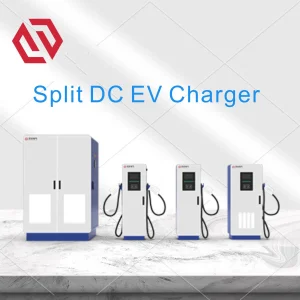
Rather than installing multiple stand-alone stations that place high localized demands on the grid, our split charging architecture uses a centralized power stack that feeds remote, low-footprint user terminals. Power is dynamically routed in 30kW increments to the vehicles that need it most, helping fleet managers schedule charging windows effectively.
Addressing engineering, grid integration, and logistics challenges for EV fleet managers in DR Congo.
Our industrial chargers include voltage protection systems that handle fluctuations of ±15%. In case of severe voltage drops, the station reduces output dynamically instead of shutting down. They also integrate with external BESS (Battery Energy Storage Systems) and diesel generator setups via dry contacts or Modbus protocol to support backup power transitions.
Yes, they are housed in galvanized steel enclosures with anti-corrosion coatings to protect against dust, humidity, and heat. The cabinets are rated IP54/IP65, isolating the main electrical systems. Internal boards are coated with anti-corrosion materials to prevent degradation from humidity and metallic dust.
OCPP 2.0.1 allows remote configuration, diagnostic reporting, and advanced load profiles. For mining operators in Haut-Katanga, this enables central control rooms to monitor EV charging states, balance power usage, and use ISO 15118 (Plug and Charge) for automatic vehicle authorization without requiring cards or apps.
We supply CCS2 (European standard), CCS1 (American standard), and Chinese standard GB/T systems. For the DR Congo market, we recommend CCS2 due to its availability and compatibility with most electric commercial trucks and buses.
Yes, our charging management system supports integration with local photovoltaic plants and BESS. The system dynamically adjusts EV charging power based on solar output and battery state of charge (SoC), helping fleet operators maximize renewable energy use and reduce reliance on grid power.
We provide remote diagnostic support via OCPP cloud connections and offer modular spare parts kits (including control boards and power modules) for onsite technicians to perform quick replacements. We also organize technical training sessions for local operations engineers.
Ready to deploy fleet charging management stations in DR Congo? Contact our team for technical analysis, microgrid design recommendations, and shipping logistics support.
Send Inquiry Now Amp Link Charger