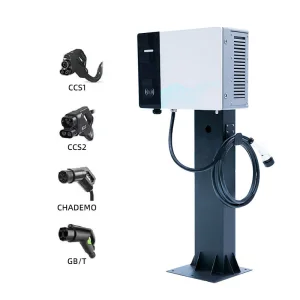
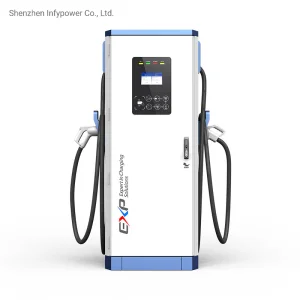
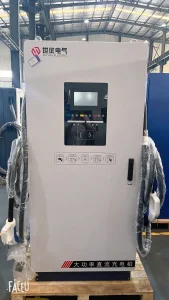
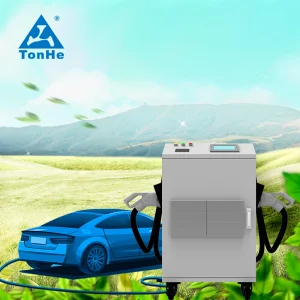
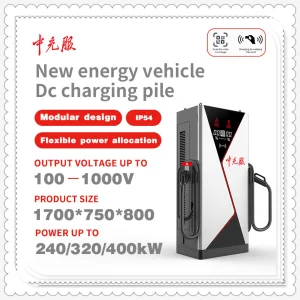
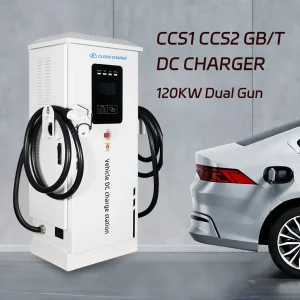
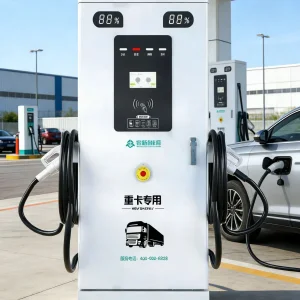
High-reliability DC fast chargers, OCPP software integration, and solar-coupled microgrid architectures engineered for mining, logistics, and transit hubs across Namibia.
Consult Our Fleet SpecialistsDeploy industrial-grade charging infrastructure configured specifically for the high ambient temperatures and electrical grids of the southern African region.
Namibia is on the cusp of an energy and transit revolution. Positioned strategically as a southern African logistics gateway through the Port of Walvis Bay and key arterial trade paths like the Trans-Kalahari and Trans-Caprivi corridors, Namibia's commercial vehicle networks carry substantial regional weight. Electrifying these corridors presents major environmental and operational advantages, yet localized mechanical and logistical realities must be addressed.
Namibia exhibits a unique combination of geographic and utility constraints. To successfully deploy electric vehicle fleet management infrastructure, mechanical designers must account for:
"Electrification of logistics in Namibia is not merely a hardware procurement process—it requires a system-level design coordinating utility grid capacity, high-output solar resources, and thermal management."
Namibia registers some of the highest solar irradiance indexes globally. Direct solar-coupled microgrids are essential for local charging terminals. Coupling dynamic EV fleet management software with battery energy storage systems (BESS) allows operators to offset grid demands by harvesting clean, reliable solar energy during daylight peak hours, lowering utility operational expenses.
Ensuring system stability and optimized asset deployment in sub-Saharan climates.
Distribute utility energy dynamically between charging bays to prevent peak load fees and ensure high-priority commercial trucks charge on schedule.
Designed with double-compartment physical air ducts, anti-corrosion materials, and high-density, washable air filters for reliable operation in harsh, dusty environments.
Directly interface our fast DC charging stations with on-site commercial solar plants and batteries, minimizing reliance on regional utility feeds.
As a leading Chinese designer of electric vehicle charging systems, Guangzhou Amp Link Charger Co., Ltd. balances manufacturing precision with robust design. Partnering with us for Namibia's electrification needs delivers several distinct advantages:
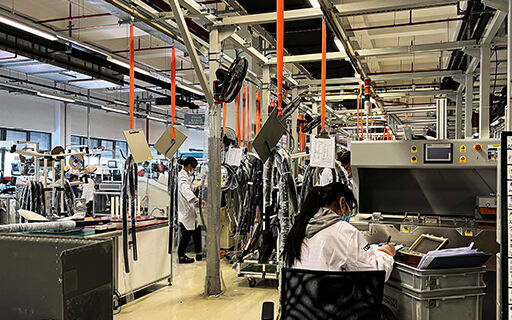
Unlike simple traders, our manufacturing facilities allow us to design and build chargers for specific local conditions. We custom-configure internal bus bars, select premium components, and implement optimized cooling setups to ensure stable continuous output in Namibian climates.
Our fleet-charging hardware is fully certified under CE, CQC, and relevant IEC standards (such as IEC 61851-1/21/22/23/24). This structural compliance guarantees compatibility with major electric vehicle chassis imported into southern Africa, including commercial trucks, mining support vehicles, and public transit fleets.
All charging hardware undergoes rigorous pre-shipment inspections, including environmental chamber tests, insulation assessments, and full-load burn-in cycles. We use components from certified global partners to eliminate early failures in remote regions.
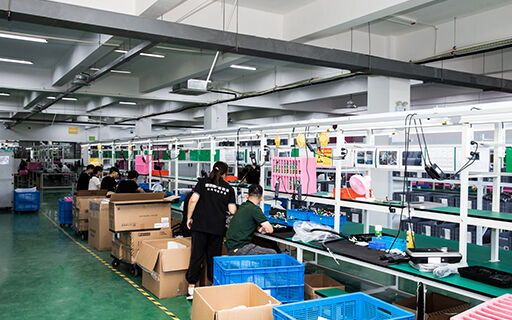
Based in Guangzhou, China, we offer direct access to efficient ocean freight shipping lines to the Port of Walvis Bay. Direct delivery keeps system-level hardware procurement costs low, allowing you to allocate more budget toward site preparation, microgrid integration, and local civil engineering works.
Practical system setups deployed for major industrial use cases.
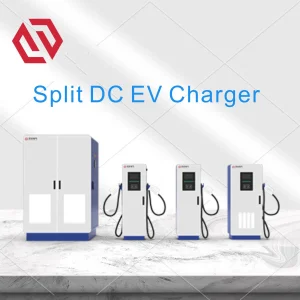
Namibia's mineral-rich Erongo region hosts massive open-cast mining sites. Electric commercial fleets operating in these locations require high-power DC fast-charging systems. By deploying our split-type 640kW and 240kW DC charging setups, mining operators can run continuous multi-shift routines with short recharge cycles.
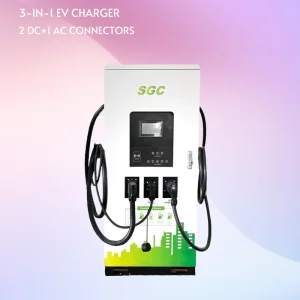
Logistics corridors require strategically placed charging stations. By integrating multi-outlet CCS2 chargers with OCPP-compliant management software, dispatchers can monitor vehicle state of charge (SoC) in real-time, route drivers to open chargers, and manage dynamic charging rates to keep grid connection fees low.
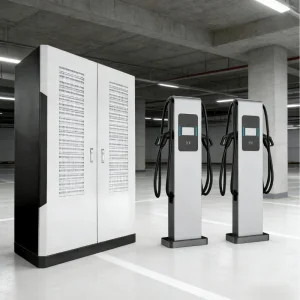
As cities like Windhoek transition toward cleaner transport networks, municipal bus terminals require high-power split systems. These configurations place compact, low-maintenance user terminals at parking bays while housing the main power electronics in safe, air-filtered central cabinets, minimizing onsite footprint and simplifying maintenance.
Explore our complete range of high-efficiency DC chargers and smart controllers, optimized for Namibian logistics, municipal depots, and mining sites.
Technical and logistic answers for deploying EV fleet systems in the Namibian market.
 Amp Link Charger