As the global automotive industry undergoes a radical transformation toward electrification, the demand for Smart EV Charging Solutions has transitioned from a niche requirement to a critical infrastructure imperative. Governments worldwide, particularly in the EU and North America, are mandating the integration of renewable energy with electric vehicle supply equipment (EVSE) to meet ambitious net-zero targets.
The industrial EV charging market is expected to grow at a CAGR of 30% through 2030. Key drivers include fleet electrification (last-mile delivery) and the "Charge on Arrival" trend in commercial real estate.
Smart charging is no longer just about delivering power; it's about grid stability. Technologies like Dynamic Load Balancing (DLB) prevent local grid overloads during peak hours.
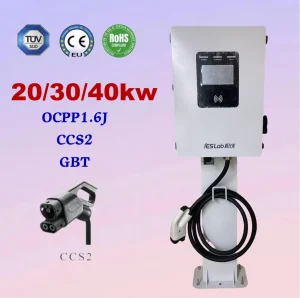
The convergence of IoT and EVSE allows for real-time monitoring, predictive maintenance, and seamless payment integration via the OCPP 1.6J and 2.0.1 protocols.
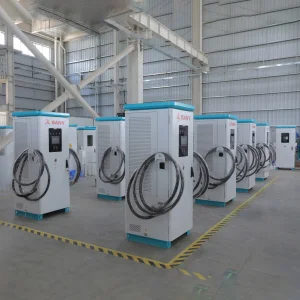
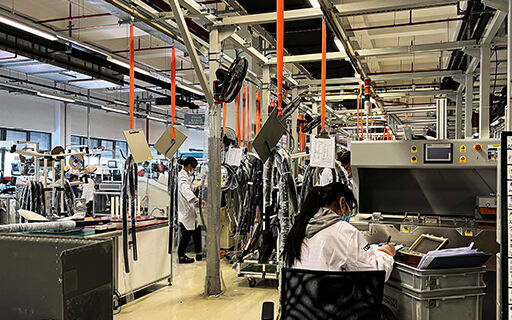
Guangzhou Amp Link Charger Co., Ltd. is a leading high-tech enterprise from China, specializing in the production, research, and sales of electric vehicle charging equipment. Our comprehensive product portfolio includes home AC charging stations, portable AC chargers, and DC fast charging stations.
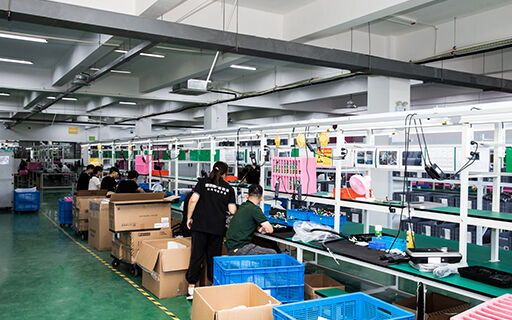
Our corporate goal is to build a first-class enterprise and create an international brand. Through our continuous and unremitting efforts, we have now exported our products to more than 20 countries, such as the United States, the United Kingdom, Germany, and France. Our products have passed CE, CQC, and other domestic and foreign authorities issued by the quality inspection certification, and the application of a number of invention patents in the product.
Our product development philosophy: safety as the first guide. The company attaches great importance to quality and technology, each product in the market before, has gone through a lot of testing and verification. We promise that all product parts are from strictly selected quality suppliers. The company will conduct regular checks on the products that have been marketed to ensure the excellent quality of the products and to eliminate cutting corners. Whether you are our regular customers or new customers who just reached out to us for the first time, any questions of yours will be answered within the shortest time. And we have conscientious after-services, any problems with our products will be followed up on responsibly by our professionals until they're solved perfectly.
We sincerely invite like-minded partners from all over the world to work with us, making the EV charger better and better. Together, Let's seize the opportunity of the golden age and forge ahead.
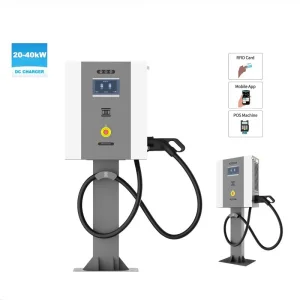
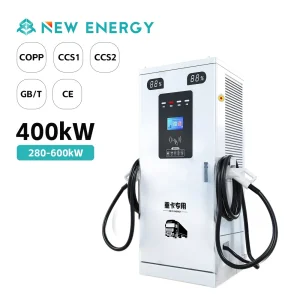
The industry is moving from 50kW chargers to Ultra-Fast 350kW+ Liquid-Cooled Systems. Amp Link's 180kW CCS2 solutions bridge this gap, providing rapid turnaround for commercial fleets and highway rest stops.
In the next 3-5 years, EVs will act as mobile batteries. Our R&D focuses on bidirectional DC technology, allowing vehicle owners to sell energy back to the grid during peak pricing, effectively making the EV a revenue-generating asset.
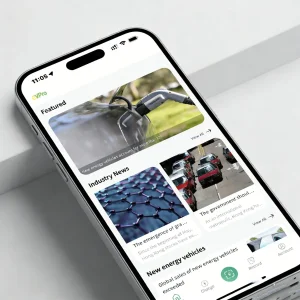
Using machine learning algorithms, our "Evpro" management system can predict component failure before it occurs. This "Self-Healing" infrastructure reduces downtime for operators by up to 40%.
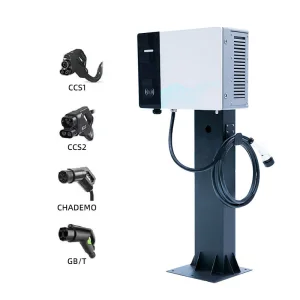
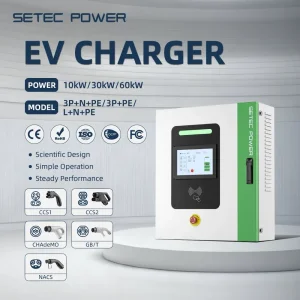
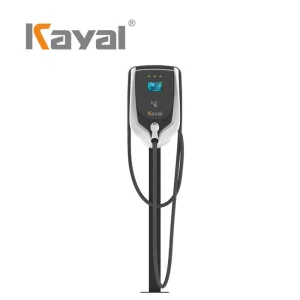
Smart wallboxes for offices and shopping malls with RFID and APP-based billing. Optimized for high-density parking where power capacity is limited.
High-duty cycle DC chargers designed for heavy-duty trucks and delivery vans. Integrated with fleet management software for scheduled charging.
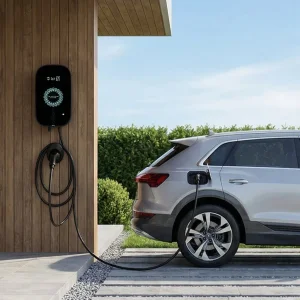
Mini wallboxes with solar PV integration (PV-to-EV). Charge your car using 100% clean energy generated from your roof.
Amp Link doesn't just provide hardware; we provide a holistic energy ecosystem. This includes Distributed Photovoltaic Energy Storage Systems that work in tandem with our chargers to create "Microgrids."
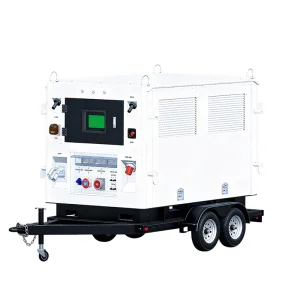
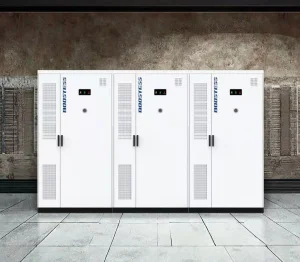
In remote areas or regions with unstable power grids, our Energy Storage Cabinets store off-peak electricity or solar power, discharging it into EVs during peak times. This "Buffer" technology reduces the strain on infrastructure and significantly lowers the cost of installation for station owners.

 Amp Link Charger