Pioneering high-voltage storage solutions, intelligent vehicle charging structures, and automated industrial grid infrastructure.
Understanding the transition from static grid dependency to dynamic, self-sustained household microgrids.
Global regulatory bodies are pushing aggressive greenhouse gas mitigation rules, establishing clean energy thresholds for residential architectures. Modern houses are transitioning from consumers of energy to active prosumers. In this structural pivot, residential solar chargers play a vital role, transforming intermittent PV generation into high-reliability charging streams for vehicles and batteries.
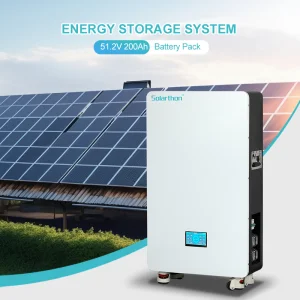
Traditional utility grids struggle with peak power strains caused by standard electric vehicle (EV) charging demands. Integrating local storage cabinets and dedicated EV charging piles permits dynamic load shedding. By decoupling peak home energy demands from central utilities, these chargers maintain home grid resilience and eliminate costly facility upgrades.
Maximizing the Levelized Cost of Energy (LCOE) of residential PV installations requires utilizing every generated kilowatt-hour directly inside the household. Through dynamic Maximum Power Point Tracking (MPPT) coupled with modern vehicle-to-home (V2H) schemes, smart residential charging systems ensure that excess solar production is stored directly in EV batteries rather than fed back to grids at depreciated rates.
An analytical breakdown of vertical integration, material access, and advanced industrial R&D.
The manufacturing supremacy of China's top residential solar charger factories is built on deep structural factors, not just cost advantages. Through integrated supply chains, manufacturers achieve rapid product iteration cycles, taking new concepts to market within months. This agility is powered by robust local ecosystems for key components, including semiconductor manufacturing, microcontrollers, high-density magnetic cores, and high-performance battery cells.
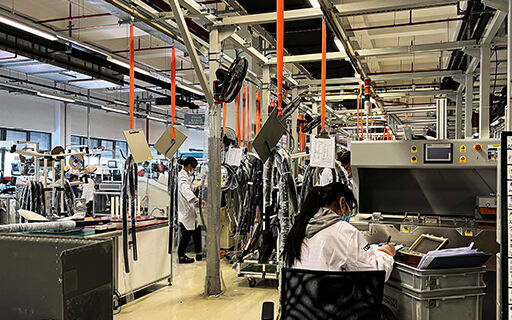
From automated PCB assembly lines to advanced thermal chamber validation, China's manufacturers manage every phase of development. This control ensures strict compliance with international grid connection requirements. It also facilitates custom configuration options for global buyers, such as modifying enclosure sizes or designing customized software interfaces.
Advanced factories implement multi-tier safety protocols, including automated leakage current detection (Type B RCD), over-temperature throttling, and real-time short-circuit isolation. Additionally, state-of-the-art simulation software models thermal behavior under high-stress conditions. This allows engineers to design heat sinks and ventilation layouts that maintain high power output, even in extreme summer environments.
Tailoring residential charging technology to regional power standards, grid structures, and environmental variables.
Modern homes in North America require Split-Phase power integration (120V/240V). To support these installations, manufacturers design systems with robust NEMA-rated enclosures that withstand severe weather. The integration of advanced communication protocols like OCPP 1.6J/2.0.1 is critical, enabling seamless coordination with local utility companies for demand-response programs.
European installations utilize three-phase grid systems (400V AC), requiring advanced load-balancing solutions to prevent phase imbalances. Smart charging units dynamically shift loads based on real-time household consumption. Compliance with strict CE, TUV, and UKCA standards ensures seamless integration with home energy management systems (HEMS).
Regions with intense solar exposure benefit from high-capacity PV arrays. Charging systems in these locations must run at peak capacity for hours, requiring robust heat dissipation and UV-resistant enclosures. Smart software optimizes charging cycles, diverting excess solar energy into vehicle batteries to maximize self-consumption rates.
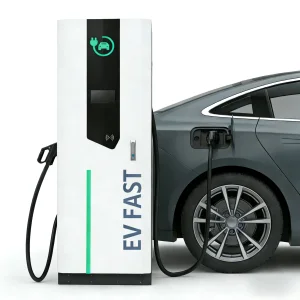
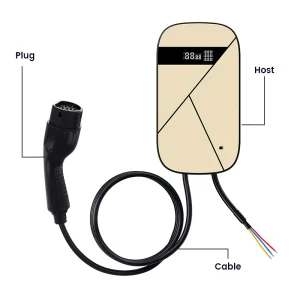
Guangzhou Amp Link Charger Co., Ltd. is a leading high-tech enterprise from China, specializing in the production, research, and sales of electric vehicle charging equipment. Our comprehensive product portfolio includes home AC charging stations, portable AC chargers, and DC fast charging stations.
Our corporate goal is to build a first-class enterprise and create an international brand. Through our continuous and unremitting efforts, we have now exported our products to more than 20 countries, such as the United States, the United Kingdom, Germany, and France. Our products have passed CE, CQC, and other domestic and foreign authorities issued by the quality inspection certification, and the application of a number of invention patents in the product.

The company attaches great importance to quality and technology. Each product undergoes extensive testing and validation before entering the market. We promise that all product parts are sourced from strictly selected quality suppliers.
We conduct regular quality audits on marketed products to ensure consistent standards and eliminate cost-cutting practices. Whether you are a long-term partner or contacting us for the first time, our team provides prompt support. Our comprehensive after-sales service ensures any operational issues are resolved by dedicated technical specialists.
We invite global partners to work together in advancing EV charger technology. Together, let's seize the opportunities in this expanding sector and build sustainable energy infrastructure.
Analyzing technology pathways for residential energy systems over the next decade.
The transition from unidirectional power delivery to bidirectional power flow (Vehicle-to-Grid / Vehicle-to-Home) is transforming the role of EVs. Future residential chargers will act as bidirectional power hubs. This allows the high-capacity batteries in electric vehicles to power home appliances during outages or offset grid demand during expensive peak pricing periods.
Integrating artificial intelligence into local energy cabinets enables proactive energy management. By analyzing weather patterns, historical power usage, and real-time utility rates, algorithms optimize charging schedules. This ensures vehicles are charged using maximum solar power, minimizing reliance on grid electricity.
Open standards like OCPP 2.0.1 ensure seamless communication between chargers, local solar systems, and energy management platforms. This unified communication allows system operators and homeowners to monitor energy usage, adjust charging parameters, and run diagnostics remotely through mobile applications.
Essential considerations for distributors, installers, and project developers when sourcing from China.
Sourcing residential solar charging stations requires assessing technical compatibility and regulatory compliance alongside initial unit costs. Global importers should evaluate manufacturing partners using a comprehensive framework:
Ensure products hold relevant certifications for target markets, such as CE-LVD and CE-EMC for Europe, FCC and UL compliance for North America, and CQC for Asian markets. These certifications are essential for meeting grid connectivity standards and securing local installation permits.
Verify that manufacturers implement robust quality control, including Automated Optical Inspection (AOI) for circuit boards and full-load burn-in testing for finished units. Choosing partners with verified component supply chains ensures consistent product performance and long-term reliability.
Select manufacturers capable of providing firmware customization, such as tailored charging algorithms, custom app branding, or specific communication protocols. This flexibility helps distributors differentiate their offerings and integrate chargers into existing home energy ecosystems.
Expert technical answers regarding residential solar chargers, grid compatibility, and procurement standards.
Explore high-capacity DC fast charging systems, solar-compatible solutions, and secure adapters.
 Amp Link Charger