China Best Public EV Charging Infrastructure Manufacturers & Supplier

Pioneering High-Performance EVSE Solutions: Dynamic Load Balancing, OCPP 1.6J/2.0.1 Compliance, and Integrated Solar-Storage Microgrids

Transforming Global Transportation through Advanced E-Mobility Infrastructure

As the global automotive industry shifts away from internal combustion engines, the deployment of reliable, smart, and high-power public EV charging infrastructure has become the cornerstone of sustainable municipal planning and corporate fleet optimization.

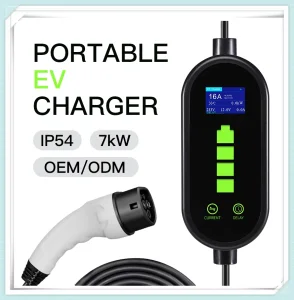
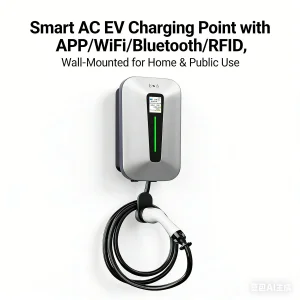
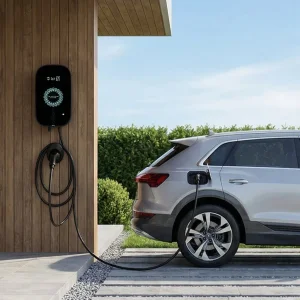
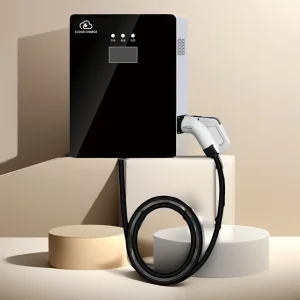
Guangzhou Amp Link Charger Co., Ltd. is a leading high-tech enterprise from China, specializing in the production, research, and sales of electric vehicle charging equipment. Our comprehensive product portfolio includes home AC charging stations, portable AC chargers, and high-power DC fast charging stations designed to meet rigorous international grid standards.

With a steadfast commitment to technological sovereignty, our corporate goal is to build a first-class enterprise and create an international brand. Through our continuous and unremitting efforts, we have now exported our products to more than 20 countries, including the United States, the United Kingdom, Germany, France, and across the EU. All our flagship products have successfully passed CE, CQC, and other domestic and foreign quality inspections conducted by authoritative certification bodies.

Furthermore, the company has established a robust intellectual property pipeline, securing multiple core invention patents for power modules, liquid-cooled cooling systems, and advanced communications protocols.

Guangzhou Amp Link Charger Corporate Headquarters and Research Facility
20+ Export Countries
240kW Max Unit Power
CE / CQC Global Compliance
100% Active Load Balance

Strategic Development Philosophy: Zero-Compromise Safety Architecture

Our product development philosophy places safety as the first guide. The company attaches immense importance to quality controls and cutting-edge software integration. Before any product is introduced to global markets, it undergoes exhaustive electrical, environmental, thermal, and electromagnetic testing. We pledge that all components are sourced from strictly selected quality suppliers.

To ensure ongoing operational integrity, Guangzhou Amp Link Charger Co., Ltd. conducts regular quality audits on existing commercial deployments. This proactive strategy eliminates corner-cutting, maintains performance integrity, and extends the operational lifespan of the hardware. For global clients, our professional post-sales network guarantees immediate support: any query or issue is followed up responsibly by qualified technical experts until it is solved perfectly.
Macro Industry Solutions: Bridging Grid Capacities with Fleet Demand

Modern public EV charging infrastructure must satisfy multiple distinct, often competing, commercial ecosystems. Designing systems for municipal transit agencies is vastly different from serving retail parking hubs or commercial fleets. Guangzhou Amp Link Charger addresses these distinct needs through structured, scalable macro solutions:

Workplace & Destination Charging

Optimized for long dwell times, utilizing smart AC points and low-power DC wallboxes (like our 22kW PV-ready units) integrated with dynamic load management to prevent building sub-station overload.

High-Power Corridor Hubs

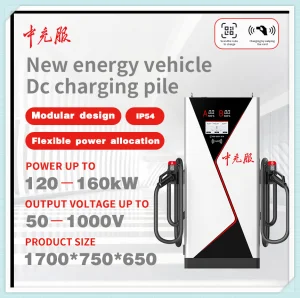
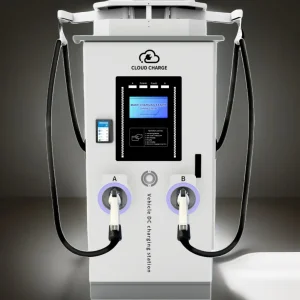
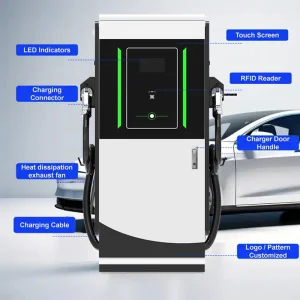
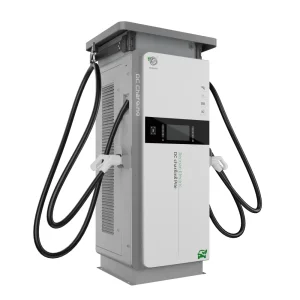
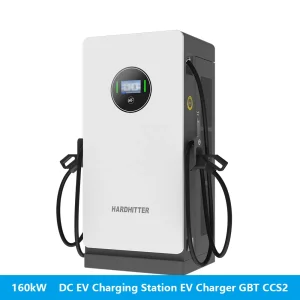
Engineered for highway transit, featuring 120kW, 180kW, and 240kW dual-outlet DC fast chargers. These systems leverage intelligent power sharing to dynamically allocate energy according to the vehicle's state-of-charge (SoC).

Depot Fleet Electrification

Tailored solutions incorporating OCPP-based backend orchestration. Provides commercial operators with real-time fleet scheduling, automated charging cycles, and detailed energy accounting tools.

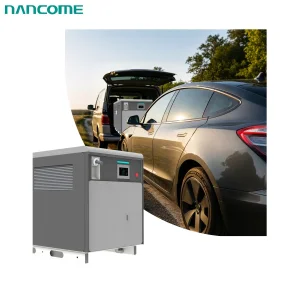
To meet these needs, infrastructure developers require a blend of modular hardware and sophisticated software. Our DC fast charging piles support seamless integration with municipal grid management platforms via standard APIs. By leveraging local telemetry data, operators can implement "peak-shaving" strategies, storing low-cost off-peak energy in our mobile or stationary battery energy storage systems (BESS) and discharging it during peak utility hours.

China Factory 4.0: Supply Chain Resilience & Structural Efficiency

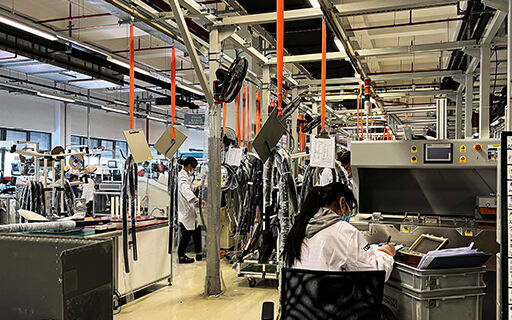
Amp Link Automated Assembly Line and Production Quality Control

The global EVSE supply chain remains vulnerable to fluctuations in raw material pricing and semiconductor availability. By centering our production facilities in China's high-tech manufacturing corridors, Guangzhou Amp Link Charger Co., Ltd. capitalizes on a deeply integrated industrial ecosystem.

Our manufacturing philosophy revolves around automated quality control. Silicon carbide (SiC) power modules, magnetic components, control boards, and thermal dissipation systems are co-developed and assembled in-house. This direct supply integration minimizes structural markups and guarantees rapid turnaround times for custom OEM/ODM requests.

Every DC charger undergoes a rigorous 48-hour continuous thermal stress test under full load before leaving the factory. Using simulated grid fluctuations, we ensure our control systems can withstand extreme spikes in voltage and frequency, preserving local grid stability.

Sourcing Reliability & Materials Integrity

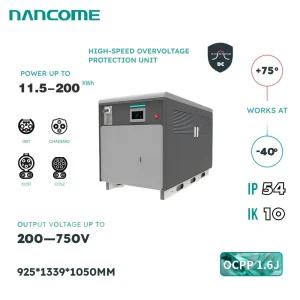
We recognize that public EV chargers operate in harsh outdoor environments, exposing them to extreme dust, humidity, and temperature variations. Our outdoor cabinets are constructed using high-grade galvanized steel and double-layered anti-corrosive coatings, satisfying IP54 and IK10 ratings.

Additionally, the internal power modules utilize unique independent air-duct designs to prevent ingress of airborne contaminants. This ensures that delicate printed circuit boards (PCBs) are shielded from environmental decay, significantly reducing overall maintenance overhead.

Technical Roadmap & Future Outlook: Ultra-Fast Charging & Microgrids

The EV charging landscape is evolving from simple power delivery to intelligent grid interaction. Guangzhou Amp Link Charger is leading this transition through key technological innovations:

1. High-Voltage Liquid-Cooled Architectures

As modern electric vehicles transition to 800V battery architectures, traditional air-cooled cables become a bottleneck due to weight and heat constraints. Our engineering division is actively testing 480kW liquid-cooled ultra-fast charging systems. These systems utilize a specialized coolant blend to keep cable diameters thin and manageable, enabling recharge times of under 10 minutes without thermal damage to the vehicle's battery.

2. Bidirectional Power Transfer (V2G / V2H)

With ISO 15118-20 integration, our next-generation AC and DC hardware supports Vehicle-to-Grid (V2G) and Vehicle-to-Home (V2H) configurations. In a V2G ecosystem, parked vehicles function as distributed energy storage assets. During grid emergencies, operators can reverse the energy flow, transferring electricity back into the municipal network to stabilize voltage drops, opening new monetization pathways for fleet operators.

3. Microgrid Decentralization: Solar + Storage + Charging

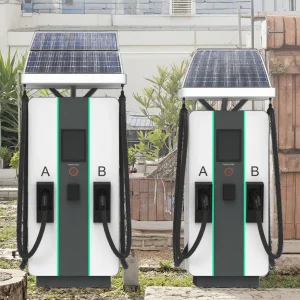
Adding large DC fast charging stations to remote locations often requires costly utility upgrades. To bypass these limitations, our microgrid solutions integrate high-efficiency photovoltaic (PV) arrays with active battery storage systems. The solar energy generated during the day is stored locally, allowing vehicles to draw clean, stored energy without straining the municipal substation.

Global Standards, Local Security & Software Integration

Deploying public charging systems internationally requires strict compliance with varying safety standards and communications protocols. At Guangzhou Amp Link Charger, we design our products from the ground up for cross-border compatibility:

  • Physical Interoperability: Dual-port dispensers supporting CCS1 (North America), CCS2 (Europe), GB/T (Asia-Pacific), and CHAdeMO standards.
  • Software Integration: Seamless OCPP 1.6J and OCPP 2.0.1 compliance. Our stations connect to any third-party Charge Point Management System (CPMS) to facilitate billing, remote diagnostic checks, and over-the-air (OTA) firmware updates.
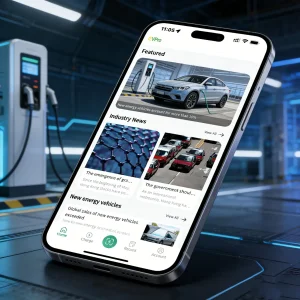
  • Financial Transactions: Standardized point-of-sale terminal integration, RFID reader support, and customizable mobile application workflows (iOS & Android platforms) to ensure frictionless user payments.
  • Cybersecurity: Encrypted communications protocols, preventing unauthorized firmware tampering and securing sensitive financial data during transactions.

Safety Certifications

Our international product line carries complete CE, CQC, TUV, and RoHS compliance certificates. These certifications verify that our insulation resistance, leak protections, over-voltage safeguards, and ground monitoring features comply with strict global safety standards.

B2B Procurement Guide: Selecting the Right Infrastructure Partner

For procurement managers, choosing an EVSE vendor is an investment that spans over a decade. To maximize ROI and reduce Total Cost of Ownership (TCO), B2B buyers must evaluate four key parameters:

  1. Modular Power Upgrades: Opt for charging stations with modular power units (e.g., 20kW/30kW/40kW sub-modules). This design allows operators to upgrade station capacity from 120kW to 240kW by inserting extra modules, without replacing the main chassis or grid wiring.
  2. Software Flexibility: Avoid vendor lock-in by selecting open, OCPP-compliant systems. This ensures you can switch management software or pricing plans without replacing your physical hardware.
  3. Thermal Performance & Lifespan: Evaluate the cooling design. Poor airflow leads to thermal throttling, reducing output speed and accelerating internal component wear.
  4. Post-Sales SLA Support: Ensure your manufacturer offers responsive technical support and quick access to replacement components to minimize downtime.

Frequently Asked Questions: Industrial & Public EV Charging

Answers to critical questions regarding electrical safety, grid Integration, and deployment strategies for enterprise EV charging networks.

What is the primary difference between OCPP 1.6J and OCPP 2.0.1 in public charging stations? +
OCPP 2.0.1 provides advanced security keys, supports the ISO 15118 protocol for "Plug & Charge" features, and offers improved device monitoring capabilities compared to OCPP 1.6J. Guangzhou Amp Link chargers support both protocols, allowing operators to transition easily to newer management software.
How does Dynamic Load Balancing (DLB) protect local commercial grids? +
DLB continuously monitors total power draw within a facility. When usage spikes, the charging station automatically lowers its power output to vehicles. Once the building's load decreases, charging speeds rise, preventing circuit breaker trips and avoiding expensive peak demand charges from the utility.
Can your DC fast chargers operate in extreme weather conditions? +
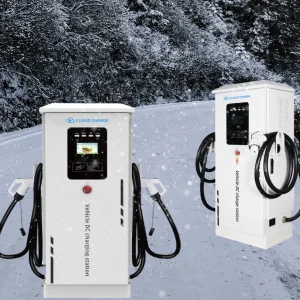
Yes. Our outdoor charging stations feature IP54-rated cabinets, anti-corrosion coatings, and independent air cooling. They operate reliably within a temperature range of -30°C to +50°C, and feature integrated internal heating units to prevent performance issues in cold climates.
Are Amp Link charging stations compatible with all major EV brands? +
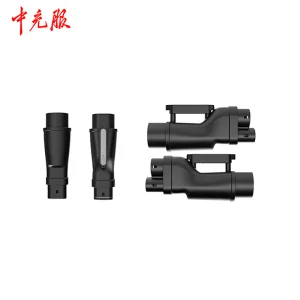
Yes, our charging piles comply with international CCS1, CCS2, and GB/T standards. We also offer adapters (like our GB/T to CCS2 adapter) to ensure seamless compatibility with different plug standards across passenger cars, utility fleets, and commercial electric vehicles.
How do solar-storage integration options work for remote locations? +
Our integrated solar-storage systems combine local PV panels with energy storage batteries (BESS). The system stores excess solar energy and uses it during peak periods, allowing you to install high-power chargers in locations without upgrading the local electrical grid.