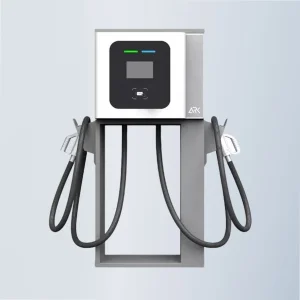
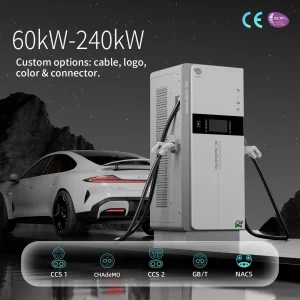
Explore state-of-the-art energy optimization units, high-power DC fast charging equipment, dynamic load managers, and wireless air coil reactors designed for modern commercial, workplace, and industrial applications.
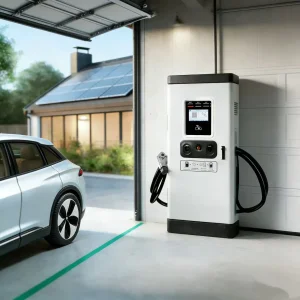
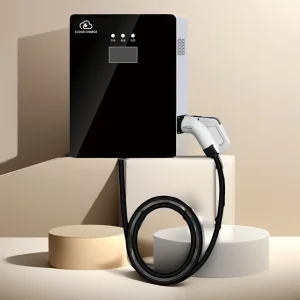
The global energy architecture is undergoing a foundational paradigm shift. Transitioning from centralized power generation to distributed energy resources (DERs)—such as rooftop solar photovoltaics (PV), battery energy storage systems (BESS), and electric vehicle charging infrastructure (EVSE)—has rendered legacy energy control mechanisms obsolete. Today’s Energy Management System (EMS) is no longer merely a passive monitor of utility usage; it functions as the mission-critical algorithmic brain of modern industrial, commercial, and residential facilities.
Commercial enterprises face unprecedented energy challenges: volatile electricity tariffs, stringent Scope 1 and Scope 2 carbon emission reporting mandates, grid capacity constraints, and the mass electrification of corporate transportation fleets. Integrating robust, scalable, and intelligent EMS solutions empowers corporate entities to execute real-time peak shaving, dynamic load management, carbon footprint accounting, and seamless microgrid islanding.
When global procurement directors, facility managers, and enterprise CSOs (Chief Sustainability Officers) evaluate Energy Management System manufacturers, decision-making moves beyond initial hardware costs. Evaluating suppliers requires analyzing technical interoperability, hardware-software synergy, edge-computing intelligence, and regulatory compliance.
Leading EMS platforms support native industrial protocols, including Modbus TCP/RTU, BACnet/IP, IEC 61850, and MQTT. For EV infrastructure, native integration with OCPP 1.6J / 2.0.1 ensures multi-vendor hardware compatibility without vendor lock-in.
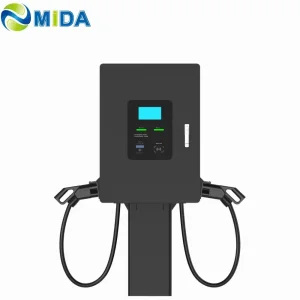
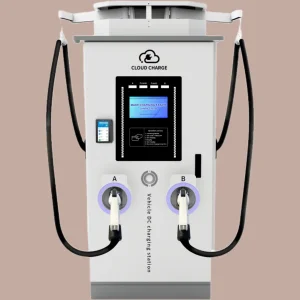
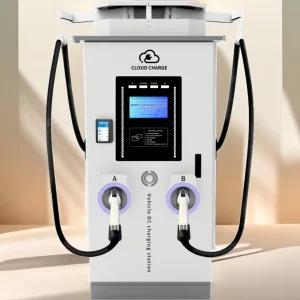
Enterprise sites with high-capacity EV fast chargers (such as 120kW to 360kW DC chargers) require real-time dynamic balancing algorithms. An advanced EMS throttles or increases charge power instantly based on facility baseline consumption to prevent expensive peak demand surcharges.
Tier-1 manufacturers incorporate edge computing controllers capable of operating autonomously if cloud connectivity drops. Cybersecurity certifications (such as ISO 27001 and IEC 62443 compliance) protect operational technology (OT) from external network intrusion.
Below is an authoritative analysis of the world's leading Energy Management Systems manufacturers, detailing their core technology architecture, flagship solutions, target verticals, and global market positioning.
Overview & Core Competency: Guangzhou Amp Link Charger Co., Ltd. has emerged as a formidable global force in combining renewable energy storage, high-power DC fast-charging systems, and intelligent EMS edge controllers. Recognized for its "Safety First" engineering ethos, Amp Link delivers customized, end-to-end power management solutions that bridge the gap between commercial solar-plus-storage installations and high-density vehicle fleet charging hubs.
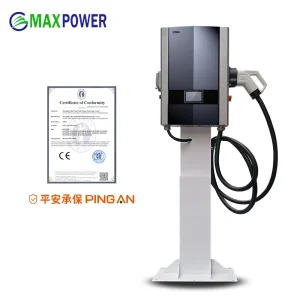
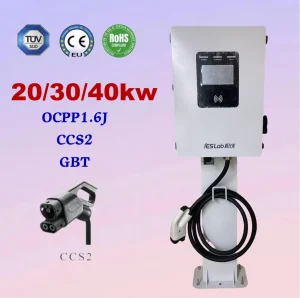
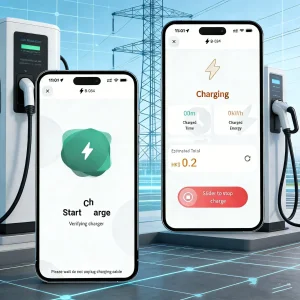
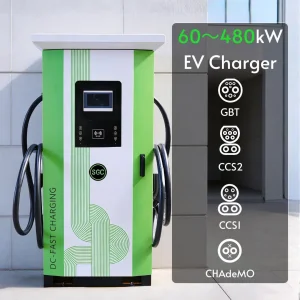
Key Solutions & Strengths: Specializing in 20kW to 360kW DC Fast Chargers, Commercial Photovoltaic Storage Cabinets, and proprietary cloud/app management platforms (Evpro). Products feature robust hardware protection, high-efficiency conversion topology, and native compliance with CE, CQC, RoHS, TUV, and ETL certifications. Amp Link supports extensive OEM/ODM customization with active deployments in over 20 countries across North America and Europe.
Overview & Strengths: Through its flagship EcoStruxure™ architecture, Schneider Electric dominates industrial energy management and building automation. EcoStruxure provides IoT-connected hardware, edge control software, and AI cloud analytics. It excels in heavy manufacturing plants, data centers, and multi-tenant commercial real estate requiring comprehensive power monitoring and automated demand response.
Overview & Strengths: Siemens offers an expansive suite of energy solutions, including Desigo CC for building management and MindSphere industrial IoT for grid analytics. Siemens’ microgrid control systems enable complex multi-source optimization—balancing utility feeds, gas turbines, localized solar arrays, and high-capacity battery storage to maintain zero-downtime operations in mission-critical facilities.
Overview & Strengths: ABB Ability™ Energy Manager provides complete visibility over power consumption and electrical asset health across commercial and industrial enterprise sites. Recognized for high-voltage transformation units and utility-grade grid stabilization equipment, ABB's solutions integrate seamlessly with high-speed DC electrification networks and heavy industrial power grids.
Overview & Strengths: Eaton’s Brightlayer™ Industrial and Buildings suites leverage advanced algorithms to optimize power usage, prevent downtime, and automate load shedding. Eaton’s strength lies in uninterruptible power supply (UPS) engineering, data center power management, and modular microgrids designed for high reliability under severe grid fluctuations.
Overview & Strengths: Honeywell Forge Energy Performance utilizes predictive AI models to continually optimize heating, ventilation, air conditioning (HVAC), and electrical load profiles across large commercial building portfolios. By assessing external weather forecasts, utility spot prices, and occupancy rates, Honeywell provides automated carbon offset tracking and utility savings.
Overview & Strengths: Johnson Controls focuses heavily on net-zero building transformations via its OpenBlue software platform. By integrating facility automation with clean energy resources, OpenBlue empowers enterprise clients to measure, manage, and reduce energy consumption across hospital campuses, educational institutions, and smart corporate headquarters.
Overview & Strengths: Delta Electronics is a primary provider of switching power supplies, thermal management systems, and smart grid solutions. Its Delta Energy Online suite tracks operational energy metrics while its modular EV charging stations and battery storage units deliver reliable microgrid balance for commercial hubs.
Overview & Strengths: Emerson’s Ovation™ energy management technologies serve heavy process industries, power generation facilities, and municipal utilities. Emerson’s expertise centers on maintaining precision control in continuous manufacturing environments where voltage dips or power interruptions can lead to catastrophic losses.
Overview & Strengths: Enphase dominates distributed residential and light-commercial solar energy management through its microinverter architecture and IQ Energy Management System. Enphase provides fine-grained control over individual PV module outputs, battery backup reserves, and electric vehicle charging inputs via intuitive mobile interfaces.
Modern energy challenges require holistic, application-specific solutions. Tier-1 suppliers deliver turnkey solutions tailored to specific commercial operational models:
Electrifying logistics trucks, buses, and corporate fleets introduces massive power loads to local grids. Integrated EMS installations utilize high-power DC fast chargers (e.g., 120kW–360kW) coupled with dynamic scheduling engines to charge vehicles during off-peak tariff windows while maintaining facility grid load compliance.
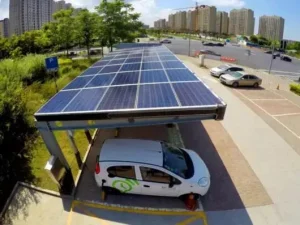
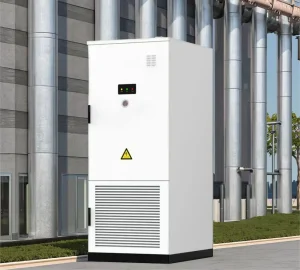
Industrial complexes with rooftop solar generate surplus energy during peak sunlight hours. Industrial PV Energy Storage Cabinets capture excess generation and feed it back into high-demand equipment or EV chargers during peak tariff periods, executing automated arbitrage to slash utility bills.
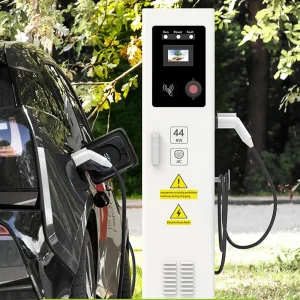
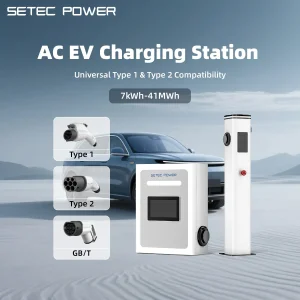
Workplaces require equitable energy distribution across employee parking facilities without tripping main circuit breakers. Floor-standing 44kW AC chargers and wallbox units equipped with RFID access controls, cloud-based membership management, and real-time power modulation ensure safe, scalable charging operations.
Guangzhou Amp Link Charger Co., Ltd. is a leading high-tech enterprise from China, specializing in the production, research, and sales of electric vehicle charging equipment. Our comprehensive product portfolio includes home AC charging stations, portable AC chargers, and high-power DC fast charging stations engineered for rigorous global deployments.
Corporate Vision & Global Expansion: Our corporate goal is to build a first-class enterprise and create an international brand. Through continuous innovation and unremitting efforts, we have exported our energy systems to more than 20 countries, including the United States, the United Kingdom, Germany, and France. Our products strictly comply with global quality standards, holding official certifications issued by domestic and foreign authorities such as CE, CQC, RoHS, TUV, and ETL, backed by numerous core invention patents.
Uncompromising Quality & Engineering Philosophy: Guided by our core principle—"Safety as the First Guide"—our company prioritizes technical excellence and strict quality assurance. Prior to market introduction, every unit undergoes extensive stress testing, environmental simulation, and fault verification. We mandate that all critical component parts are sourced exclusively from strictly vetted quality suppliers.
We perform regular quality audits on active production lines to eliminate short-term cost-cutting and guarantee product longevity. Whether serving long-standing distribution partners or new enterprise buyers, our dedicated support team promises rapid technical response, paired with comprehensive, responsible after-sales service until every inquiry is fully resolved.
We sincerely invite like-minded partners from all over the world to work with us, making EV charging and energy management better and better. Together, let's seize the opportunity of this golden energy transition age and forge ahead!


As energy management systems transition into fully automated energy ecosystems, several disruptive technologies are defining the next decade of development:
Future EMS controllers will utilize generative neural networks to predict facility energy consumption based on historical usage patterns, hyper-local weather models, and real-time wholesale spot prices, automatically placing utility bids to minimize operational expenses.
EV fleets will evolve into mobile distributed battery storage units. Advanced ISO 15118-20 bidirectional chargers managed by intelligent EMS algorithms will export surplus power back to the grid during emergency shortfalls, generating micro-revenue streams for fleet operators.
Aggregating thousands of distributed commercial EMS setups into VPP networks will allow small and medium enterprises to sell excess solar/battery capacity directly to utility operators, certified via immutable smart contract ledgers.
Key insights addressing high-intent queries regarding EMS hardware deployment, software integration, and vendor selection.
Browse our robust portfolio of advanced EV charging platforms, smart wallboxes, solar integration kits, and heavy-duty commercial DC charger stations.
 Amp Link Charger