High-performance charging hardware engineered for logistics hubs, public transit systems, and enterprise commercial fleet management.
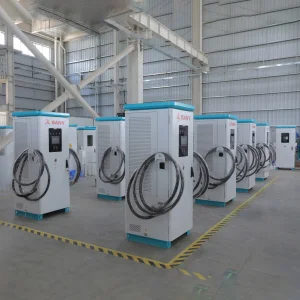


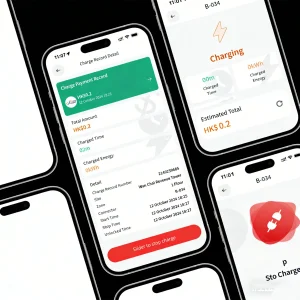
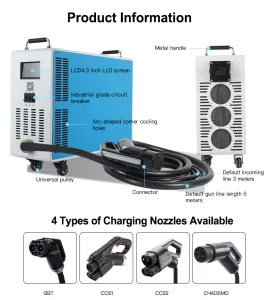
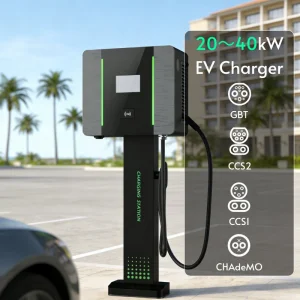
As corporate fleet electrification accelerates under global ESG initiatives, multinational enterprises are transitioning from small-scale pilot deployments to gigawatt-scale infrastructure. Fleet operations demand unique energy requirements that differ fundamentally from public consumer charging networks. Enterprise purchasers look beyond unit price, focusing heavily on uptime guarantee, interoperability, utility interconnection constraints, and Total Cost of Ownership (TCO).
Support for universal communication protocols (OCPP 1.6J, OCPP 2.0.1, ISO 15118) to ensure smooth integration with variable backend telemetry systems.
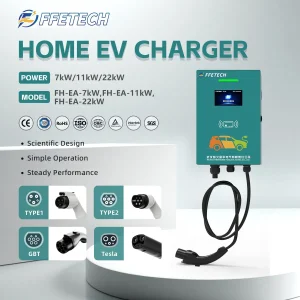
From flexible overnight AC slow chargers to ultra-fast 180kW+ DC split-power units designed for rapid turnarounds in logistics centers.
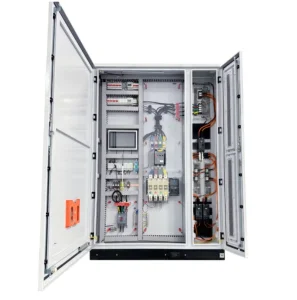
Multi-layered electrical protection, insulation monitoring, surge suppression, and active thermal management loops inside high-power cabinets.
Industrial fleets like medium-to-heavy-duty trucks (MHDVs), municipal buses, and delivery vans run on tight schedules. A single hour of unexpected charger downtime translates to thousands of dollars in lost operational revenue. Consequently, procurement directors prioritize suppliers from mature manufacturing hubs like China, capable of delivering certified hardware that combines durability with advanced software integration.
To deploy scalable electric fleet charging platforms, organizations must establish a solid synergy between hardware capability, local electrical grids, and backend management layers. Without optimization, charging dozens of vehicles concurrently can trigger massive demand charges from regional utility providers.
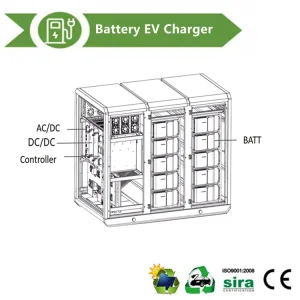
By coupling localized battery storage, such as our Durable Metal Energy Storage Cabinet for Industrial Energy Management, fleet operators can store energy during low-demand periods and discharge it during peak fleet return windows. This "peak-shaving" technique helps secure lower utility rates and shields localized grid transformers from sudden voltage drops.

Our solutions incorporate dynamic load balancing algorithms. Instead of providing fixed capacity to every vehicle, our systems query the State of Charge (SoC) and dispatch schedule of each EV via the cloud backend. High-priority delivery vans leaving at dawn receive rapid DC charging, while vehicles scheduled for later departures receive lower, modulated power overnight. This ensures that the total depot load never exceeds a predefined threshold.
Fleet charging technology is evolving rapidly, driven by the need for higher energy throughput and smarter utility grid integration. The technical design cycle is structured around four primary pillars:
Transitioning from traditional Silicon IGBTs to Silicon Carbide (SiC) MOSFETs in our DC Fast Chargers. This transition boosts efficiency above 96%, reduces heat dissipation, and allows for compact, modular power designs.
Integrating ISO 15118-20 standards to allow bidirectional energy transfer. Fleet vehicles serve as virtual power plants (VPPs), selling energy back to the grid during emergency demand windows or power shortfalls.
Developing heavy-duty infrastructure compatible with up to 1.2 MW charging outputs to charge long-haul electric commercial trucks in under 30 minutes.
This long-term roadmap ensures that investments made by transit agencies and commercial logistics firms today will remain compatible with the grid demands and electric vehicle models of tomorrow.
The regulatory and technical environments vary significantly by region. A globally diversified exporter must offer equipment customized for these regional differences:
Guangzhou Amp Link Charger Co., Ltd. builds international brand reliability through strict quality standards. We perform rigorous environmental simulation testing—such as thermal cycling, saline spray, and heavy mechanical stress evaluations—on our equipment. This testing ensures that our outdoor systems work reliably in extreme environments, from hot climates to cold Nordic winters.
"Safety is our primary guide. We certify all products under major domestic and international testing frameworks (CE, CQC) and secure numerous utility patents. Our QA process tracks every component back to verified raw materials suppliers."
By offering localized support and matching standards like CCS1, CCS2, and GB/T, we help overseas partners deploy reliable commercial charging networks quickly and efficiently.
Explore our scalable energy management systems, high-efficiency smart AC terminals, and mobile rapid recovery charging units.
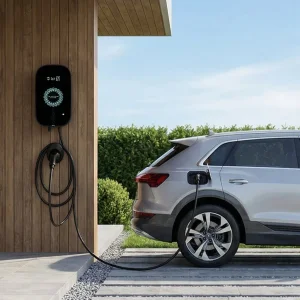
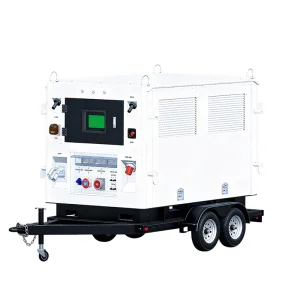
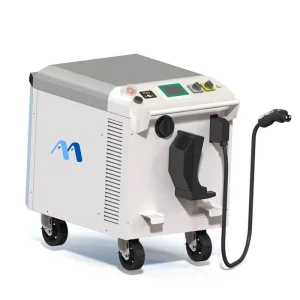
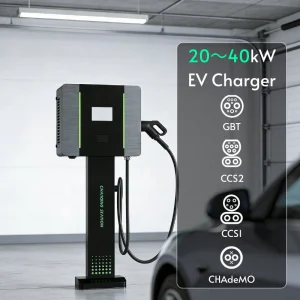

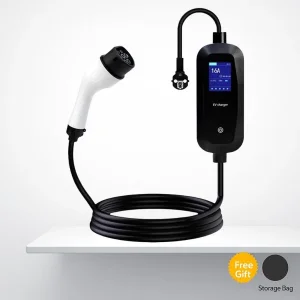
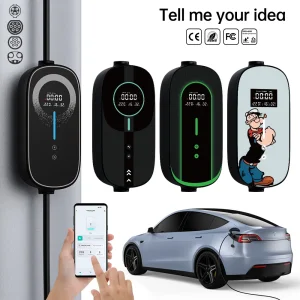
Guangzhou Amp Link Charger Co., Ltd. is a leading high-tech enterprise from China, specializing in the production, research, and sales of electric vehicle charging equipment. Our comprehensive product portfolio includes home AC charging stations, portable AC chargers, and DC fast charging stations.
Our corporate goal is to build a first-class enterprise and create an international brand. Through our continuous and unremitting efforts, we have exported our products to more than 20 countries, including the United States, the United Kingdom, Germany, France, and many more. Our products have passed CE, CQC, and other quality inspection certifications issued by authoritative domestic and foreign bodies, and we hold a large number of patents for our original technologies.
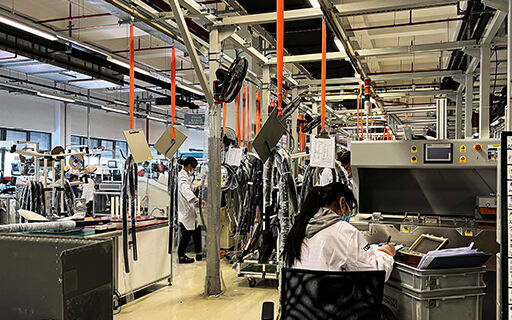
Our product development philosophy is centered on safety as the first guide. We attach great importance to quality and technology. Every product goes through extensive testing and verification before entering the market. We use high-quality parts from strictly selected suppliers. In addition, our team conducts regular post-market checks to ensure long-term durability and prevent compromised quality. Whether you are a regular customer or reaching out to us for the first time, our team is committed to answering your questions promptly and providing dedicated after-sales support to resolve any issues.
Detailed answers regarding technical integration, hardware compliance, and commercial procurement logistics.
 Amp Link Charger