The global transition toward electrification has advanced from consumer adoption to systematic industrial fleet and commercial ecosystem overhauls. Real estate developers, public fleet operators, and logistics network operators now treat electric vehicle supply equipment (EVSE) as mission-critical infrastructure rather than a basic utility amenity.
Navigating the complex landscape of commercial EV charging stations requires an evaluation that goes beyond nameplate kilowatt capacity. Critical success factors include thermal mitigation efficiency, OCPP 1.6J/2.0.1 smart grid communication compatibility, ISO 15118 protocol integration for Plug & Charge access, and hardware resilience. This analysis examines the technical capabilities and system engineering choices that separate global top-tier manufacturers from standard assembly providers.
Browse the primary selection of robust chargers engineered to withstand diverse grid constraints and harsh environmental exposures.
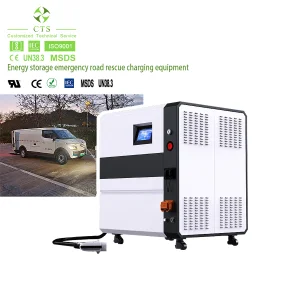
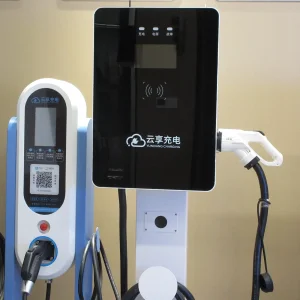
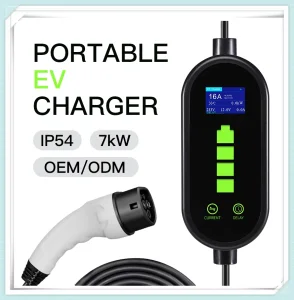
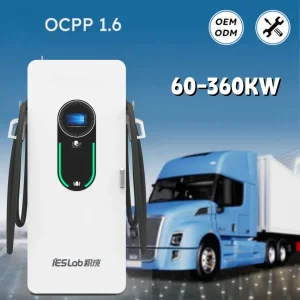
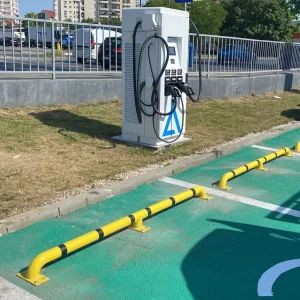
Understanding the architectural parameters, hardware topography, and firmware integrity that define top-tier EVSE providers.
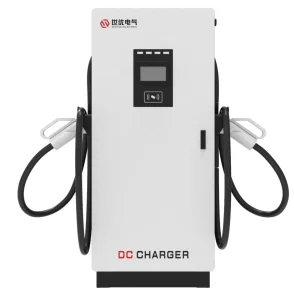
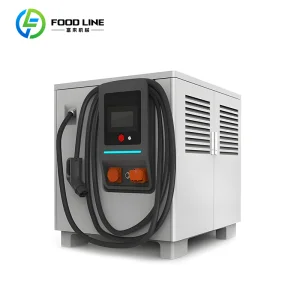
Fast DC charging stations operating between 120kW and 360kW generate significant thermal energy. Top-tier manufacturers mitigate this using advanced liquid-cooled cable tech and independent air channel layouts for key electronic modules. This separation prevents corrosive outdoor dust from passing over power modules, extending the mean time between failures (MTBF) past 100,000 hours.
Modern stations require remote control via open communication protocols. Standard compliance with OCPP 1.6J and OCPP 2.0.1 is critical, enabling remote diagnostics, rate adjustments, dynamic load balancing, and OTA updates. Additionally, hardware-level compliance with ISO 15118 ensures compatibility with Plug & Charge and bi-directional vehicle-to-grid (V2G) systems.
How commercial chargers adapt to localized energy grids, municipal codes, and structural constraints.
Workplace projects deploy smart AC systems (7kW to 22kW) to balance longer dwell times. By utilizing local master-slave setups, campuses can distribute up to 40 EV charging points from a single 150kVA supply without overloading infrastructure.
For last-mile delivery and shipping hubs, keeping downtime minimal is key. Depots rely on high-capacity DC fast charging systems (120kW to 180kW) that feature dual-connector units to run overnight sequential or parallel charging programs.
Highway charging relies on ultra-fast, high-power DC systems (240kW to 360kW) that use liquid-cooled hardware. By delivering up to 200 kilometers of range in 10 minutes, these setups maximize turn rates and ensure efficient high-throughput charging.
An analysis of next-generation power electronics, energy storage integration, and bidirectional grid support.
The transition from traditional IGBTs to Silicon Carbide (SiC) MOSFETs reduces switching losses, improves thermal performance, and increases power conversion efficiency to over 96.5%.
Standardizing IEEE 1547 and ISO 15118-20 communications enables parked EVs to act as distributed energy storage resources, helping stabilize grid frequencies during peak load periods.
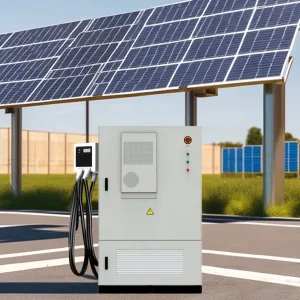
Integrating on-site photovoltaic arrays and battery energy storage systems (BESS) allows sites to run high-power charging without putting extra stress on localized municipal distribution transformers.
How localized component ecosystems and manufacturing density support high-quality, cost-competitive global exports.
The southern manufacturing clusters in China, particularly in Guangzhou and Shenzhen, produce a significant portion of the world's EVSE components. This concentration provides direct access to vital materials like high-grade copper winders, microcontrollers, sheet-metal enclosures, and relational power electronics modules within a tight geographical area.
Guangzhou Amp Link Charger Co., Ltd. operates at the center of this ecosystem. As a high-tech enterprise, the company handles research, production, and sales of AC and DC fast charging systems. By maintaining close relationships with certified suppliers, they ensure quality control and component traceability, exporting reliable equipment to over 20 countries, including the United States, the United Kingdom, Germany, and France.

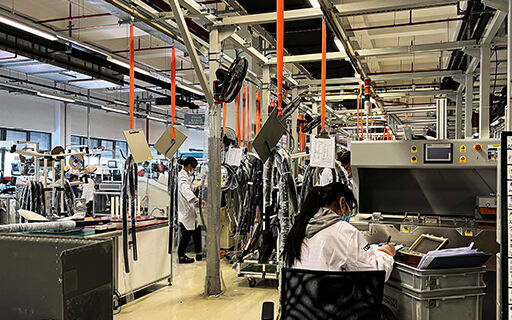
Every commercial charger must pass extensive testing before deployment. From initial circuit inspections to final high-power thermal load tests under extreme conditions, components undergo strict quality checks to prevent failures in the field.
Guangzhou Amp Link Charger Co., Ltd. prioritizes safety throughout their development process. Their products carry certifications from international organizations, including CE and CQC. Additionally, they back their hardware with responsive customer support and professional issue resolution to ensure long-term, reliable operations.
Meeting international standards is essential for smooth market integration and regional grid approvals.
Deploying commercial EV charging systems requires strict adherence to international electrical safety regulations. Without proper certifications, operators face potential grid connection delays and compliance issues. Key standards include:
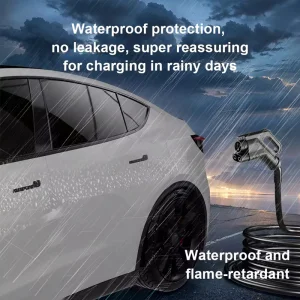
For installations near coastal or industrial zones, physical housing durability is just as important as electrical safety. Standard platforms utilize NEMA 4X / IP54, IP65 enclosures, protecting internal electronics from windblown dust, rain, and saltwater corrosion.
Common technical and deployment questions regarding commercial charging stations.
OCPP 2.0.1 offers improved security via built-in TLS certificates, enhanced diagnostics, and native support for ISO 15118 (Plug & Charge). This allows for easier transaction handling and more detailed reporting compared to the older OCPP 1.6J standard.
Dynamic load balancing monitors real-time building energy consumption. When usage rises, the system automatically dials back charger power output, keeping total site demand safely within utility limits.
Installations require CE marking under the Low Voltage Directive (LVD) and Electromagnetic Compatibility (EMC) Directive. Public charging locations in Germany also require Eichrecht-compliant billing systems.
Yes, newer charging stations can connect directly with solar microgrids and local battery storage systems (BESS), allowing operators to use clean energy and reduce peak utility demand charges.
Explore the rest of our commercial selection, including portable energy storage, fast-charging stations, and auxiliary equipment.
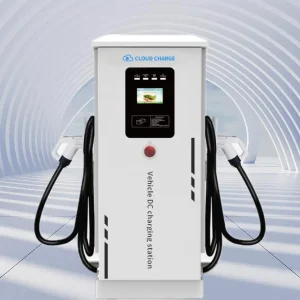
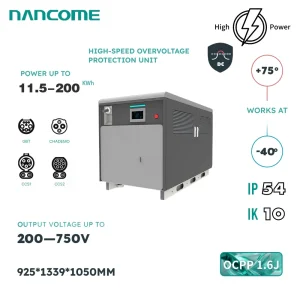

 Amp Link Charger