Why workplace EV charging is important for employees is becoming a practical workplace question, not a distant sustainability slogan. For an employee arriving with 18% battery, an eight-hour shift can provide valuable driving range before the evening commute. A reliable charger can reduce anxiety, support household transport needs, and make electric vehicles more realistic for renters without private parking.
Britta Gross, a recognized electric-vehicle infrastructure expert and former managing director at RMI, describes workplace charging as “a critical piece of the puzzle” for broader EV adoption. Her observation reflects an important reality: employees do not all charge at home. Some live in apartments. Others share one parking space or depend on public chargers beside busy roads. Convenient workplace access can save time, reduce detours, and create a more equal path into electric mobility.
The benefits extend beyond the charging cable. Clear pricing, fair access, safe parking, and dependable maintenance influence whether employees trust the program. A broken charger on a rainy Monday morning can quickly undermine confidence. Employers also gain a visible way to support retention, recruitment, and measurable environmental goals. Still, workplace charging is not a perfect solution. Electricity capacity, installation costs, and limited parking can create difficult trade-offs. Some employees may feel excluded if chargers remain expensive or unavailable during peak hours. This article examines ten reasons workplace EV charging matters to employees, while recognizing that thoughtful planning matters as much as the equipment itself.
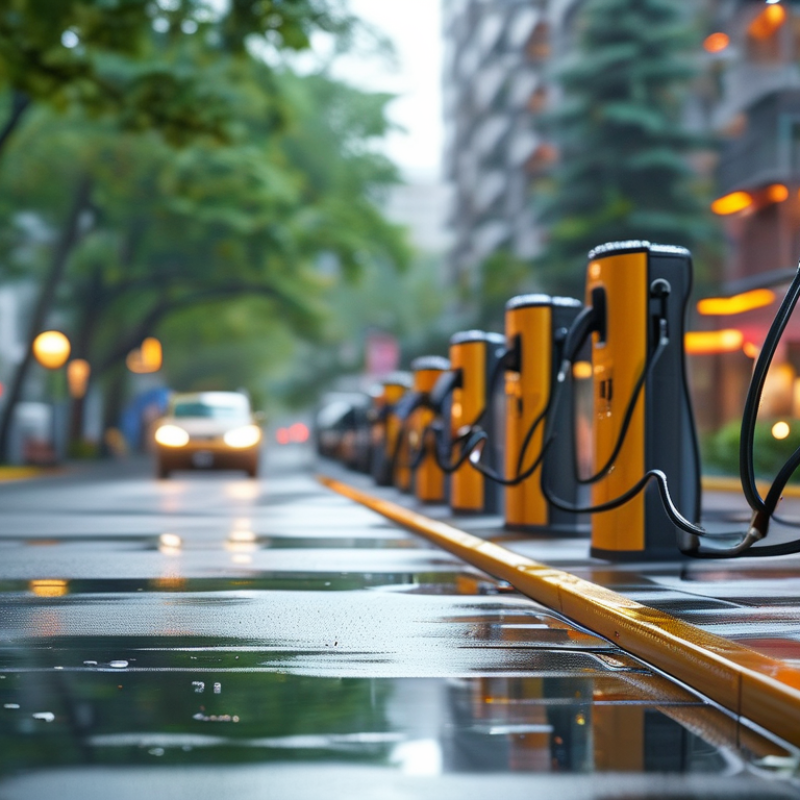
Workplace EV charging refers to electricity supplied to electric vehicles while employees work at an employer’s site. It can include shared chargers, reserved spaces, visitor access, and managed charging software. The scope is wider than installing a few charging posts. It covers electrical capacity, parking rules, payment arrangements, maintenance, safety checks, and data protection. A practical definition matters because employees experience the entire service, not only the plug.
For an employee, the value is often simple: arrive with a low battery and leave with useful range. A predictable charging space can reduce detours to public stations, especially during busy commutes. Shift workers may benefit from overnight access, while fleet drivers need clear priority rules.
Good programs publish connector types, operating hours, fees, and support contacts before launch. Small details matter. A charger blocked by an engine still fails the user.
Reliable workplace charging can support recruitment and daily fairness, but its benefits are not automatic. Employees without EVs may question parking changes or shared electricity costs. Employers should review usage data, invite feedback, and adjust limits without penalizing occasional users. Charging speed, queueing, weather exposure, and accessibility can change the real experience. Simple signs may prevent confusion, yet signs cannot fix insufficient capacity. That uncomfortable gap deserves honest planning.
A workplace charger can turn a long commute into a simple routine. Employees arrive with a low battery and leave with useful range. This matters for drivers without private garages or dependable home charging. The International Energy Agency’s Global EV Outlook 2024 projected more than 17 million electric cars would be sold worldwide in 2024. More vehicles create greater demand for predictable charging access.
Reliability is equally important. A charger beside the office reduces detours, waiting anxiety, and last-minute planning. Employees can plug in during meetings, lunch, or a normal shift. The U.S. Department of Energy identifies workplace charging as an important option for drivers who cannot charge at home. Small details matter. Clear parking rules, visible status information, and functioning payment systems can prevent daily frustration. Access should feel ordinary.
Still, workplace charging is not automatically convenient. A limited number of ports may serve too many employees. A blocked connector can disrupt an entire morning. Employers should review usage patterns, provide fair scheduling, and maintain equipment regularly. The system may need improvement. That is honest. Reliable access depends on thoughtful management, not only on installing hardware. Employees notice the difference when charging works quietly in the background.
Top 10 Reasons Workplace EV Charging Matters to Employees
Cost Savings, Commute Support, and Charging Accessibility
For many employees, workplace charging can turn an uncertain commute into a manageable routine. A driver arriving with 25% battery may leave after an eight-hour shift with enough energy for evening travel. That matters. Charging at work can also reduce reliance on higher-cost public stations, although savings depend on electricity rates, vehicle efficiency, and charging speed. Clear pricing is essential. Employees should know whether charging is free, subsidized, or billed by usage.
Workplace charging supports people with long commutes, limited home parking, or apartments without private chargers. A practical setup includes several charging points, accessible locations, and simple payment instructions. Spaces should serve different shifts, not only early arrivals. A reservation system can reduce conflict, while live status information prevents wasted trips across a parking lot. Employees also benefit when charging rules are written in plain language and reviewed regularly.
Charging access is not automatically fair. Queues happen. Some vehicles may occupy spaces after charging finishes, while others need longer sessions. Managers should monitor usage, gather employee feedback, and adjust time limits carefully. Winter temperatures, battery size, and unexpected travel can change charging needs. Treating these realities seriously builds trust. A reliable workplace program is less about installing equipment and more about making daily commuting easier, clearer, and reasonably affordable.
A practical, evidence-based view of how workplace charging can improve employee convenience, affordability, inclusion, and sustainable transportation choices.
| No. | Employee Priority | Data Dimension | Relevant Data or Benchmark | Why Workplace Charging Matters | Reference |
|---|---|---|---|---|---|
| 1 | Lower Daily Driving Costs | Energy cost per mile | Electricity is generally less expensive per mile than gasoline for many EV drivers, although the actual saving depends on local electricity prices, fuel prices, vehicle efficiency, and charging location. | Workplace charging gives employees another opportunity to replace higher-cost fuel purchases with electricity during a normal workday. | U.S. DOE |
| 2 | More Convenient Commutes | Charging time utilization | Employees can charge while their vehicles are already parked at work, avoiding a separate trip to a public charging location. | Charging time is integrated into the work schedule rather than added to the commute or personal errands. | U.S. DOE |
| 3 | Support for Employees Without Home Charging | Housing and parking access | Employees living in apartments, rented homes, or properties without dedicated parking may have limited access to overnight charging. | Workplace stations provide a reliable alternative for employees who cannot install or use a charger at home. | NREL |
| 4 | Reduced Range Anxiety | Daily travel confidence | Access to a known charging location during working hours creates an additional energy source between home charging and public charging trips. | Employees can begin or finish the workday with a more predictable state of charge, especially during longer commutes or cold-weather periods. | U.S. DOE |
| 5 | Lower Vehicle Maintenance Burden | Routine maintenance requirements | Battery-electric vehicles do not require engine oil changes and generally have fewer moving drivetrain components than conventional gasoline vehicles. | Reliable workplace charging complements the lower routine-maintenance needs of EV ownership and reduces dependence on fuel stops. | U.S. DOE |
| 6 | Greater Transportation Inclusion | Employee access and equity | Home charging access is not distributed equally because employees have different housing types, parking arrangements, incomes, and commute patterns. | A workplace charging program can make EV ownership more practical for employees who are otherwise excluded from home-charging benefits. | NREL |
| 7 | Lower Transportation Emissions | Carbon reduction potential | Transportation accounted for approximately 28% of total U.S. greenhouse gas emissions in 2022, making cleaner transportation choices an important emissions-reduction opportunity. | Workplace charging can support employees who choose electric mobility and help organizations advance measurable transportation sustainability goals. | U.S. EPA |
| 8 | Better Use of Public Charging Capacity | Charging network availability | The U.S. public charging network had more than 180,000 charging ports in 2024, but availability can vary by location, time of day, and demand. | Workplace charging adds a predictable private or semi-private option and can reduce pressure on heavily used public stations. | U.S. DOE AFDC |
| 9 | Potential for Smarter Energy Management | Load timing and grid coordination | Managed charging can shift vehicle charging to lower-demand periods or times when electricity supply is more favorable, subject to site capacity and utility conditions. | Smart charging policies can help control peak demand while preserving employee access to the energy needed for their commute. | U.S. DOE |
| 10 | A More Valuable Employee Benefit | Workplace experience and retention | Charging access combines practical financial support, commute convenience, and visible environmental value in one workplace amenity. | It can strengthen the employee experience, support commuting flexibility, and demonstrate that workplace policies reflect evolving transportation needs. | NREL; U.S. DOE |
Top 10 Reasons Workplace EV Charging Matters to Employees
Workplace charging can make an ordinary commute feel less stressful. Employees arrive with more energy, especially after long journeys or limited public charging access. The International Energy Agency’s Global EV Outlook 2024 reported over 17 million electric cars sold worldwide in 2023. That growth is changing daily workplace expectations.
Small moments matter. A convenient charging session can remove an evening detour and create predictable travel routines. Gallup’s State of the Global Workplace 2024 found that only 23% of employees were engaged globally, while 41% experienced significant stress the previous day. Charging will not solve disengagement. However, practical support can strengthen employees’ sense of care and workplace satisfaction.
Productivity benefits are usually indirect. Employees may spend less time searching for public chargers, waiting in queues, or adjusting family schedules. The U.S. Department of Energy’s National Renewable Energy Laboratory identifies workplace charging as important for expanding access, particularly for drivers without home charging. This matters to renters and apartment residents. It also supports fairer participation in transport electrification.
The case is not flawless. Chargers require space, maintenance, clear usage rules, and equitable access. Poorly managed stations can create frustration instead of trust. Employers should measure charger availability, employee feedback, and possible workload disruption. A useful program listens before expanding.
Workplace EV charging is becoming part of corporate culture, not merely a parking benefit. Employees see sustainability in physical form: a marked bay, a safe cable, and a reliable charger beside the office. The International Energy Agency reported nearly 14 million electric cars sold worldwide in 2023, representing about 18% of new-car sales. As adoption grows, employees may judge sustainability promises by everyday workplace access.
The employee experience is personal. A driver arriving with 12% battery can work without searching for a public charger after a long commute. This reduces friction and supports cleaner mobility choices. Deloitte’s 2024 Gen Z and Millennial Survey found that 62% of Gen Z respondents and 59% of millennials feel worried about climate change. Practical charging can turn that concern into participation. It can also support recruitment, especially when younger workers expect visible environmental responsibility.
Charging is not automatically green. Its impact depends on electricity sources, equipment maintenance, pricing, and fair access across shifts. The U.S. Department of Energy notes that workplace charging can help extend driving range and reduce pressure on public infrastructure. Yet poorly managed programs may create queues, resentment, or unequal benefits. A thoughtful policy needs transparent fees, accessible spaces, and usage data. The case is not flawless. Some employees still cannot charge at home, while others may not own an EV. Corporate mobility plans should therefore include public transport, cycling, and flexible commuting options.
Employees can arrive with 25% battery and leave after an eight-hour shift with useful evening range. Detours become less necessary.
Drivers without private garages, home chargers, or reliable apartment parking may benefit greatly. Their daily routine becomes more manageable.
It may reduce reliance on expensive public stations. Savings depend on electricity rates, vehicle efficiency, and charging speed.
Clear signs should explain fees, time limits, reservations, and payment steps. Employees should know whether charging is free or billed.
Employers can use reservations, live availability information, and fair time limits. Rules should support different shifts, not only early arrivals.
A blocked connector, broken payment system, or faulty cable can disrupt a morning. Queues still happen.
No. Some employees may occupy spaces too long, while others need longer charging sessions. Managers should review usage and collect feedback.
A marked bay, safe cable, and working charger make environmental goals visible. Practical access can encourage cleaner commuting choices.
Not necessarily. Its impact depends on electricity sources, maintenance, pricing, and equal access. The case is not flawless.
Mobility planning should also consider public transport, cycling, and flexible commuting. Charging should not become the only benefit.
Workplace EV charging gives employees convenient, reliable access to vehicle charging during the workday, reducing the need to make separate trips to public charging stations or wait until returning home. Why workplace EV charging is important for employees goes beyond convenience: it can support daily commuting, help lower transportation costs, and make electric vehicle ownership more practical for people with limited access to home charging. Flexible workplace charging can also reduce range concerns and make commutes more predictable.
By supporting employee well-being, workplace charging can ease travel-related stress and contribute to a more comfortable, productive work experience. It also demonstrates that an organization values sustainability and is prepared for the future of employee mobility. When charging access is thoughtfully managed, it can strengthen workplace satisfaction, encourage cleaner transportation choices, and help build a corporate culture that aligns environmental responsibility with practical employee needs.

Amp Link Charger