The rise of electric vehicles (EVs) has brought increased demand for charging stations. Yet, many people wonder, "Why are EV charging stations slow at times?" Industry expert Dr. Emily Harris, a well-known figure in EV infrastructure, emphasizes, “Charging speed can vary due to several factors, impacting the user experience.”
One major reason behind slower charging times is the type of charger. Level 1 chargers, common in homes, deliver about 4 to 5 miles of range per hour. In contrast, Level 3 fast chargers provide much more but are often less available. Additionally, the number of active users at a station can also slow down the process. The waiting time can frustrate EV owners, highlighting the need for better management of charging networks.
Environmental conditions like temperature can affect charging speed too. Cold weather can slow battery chemistry, leading to extended charging times. While some users may look for a quick charge, patience is essential. Exploring these factors will help us understand why EV charging stations are slow sometimes. Recognizing these limitations and working towards solutions will drive better experiences for all EV users.
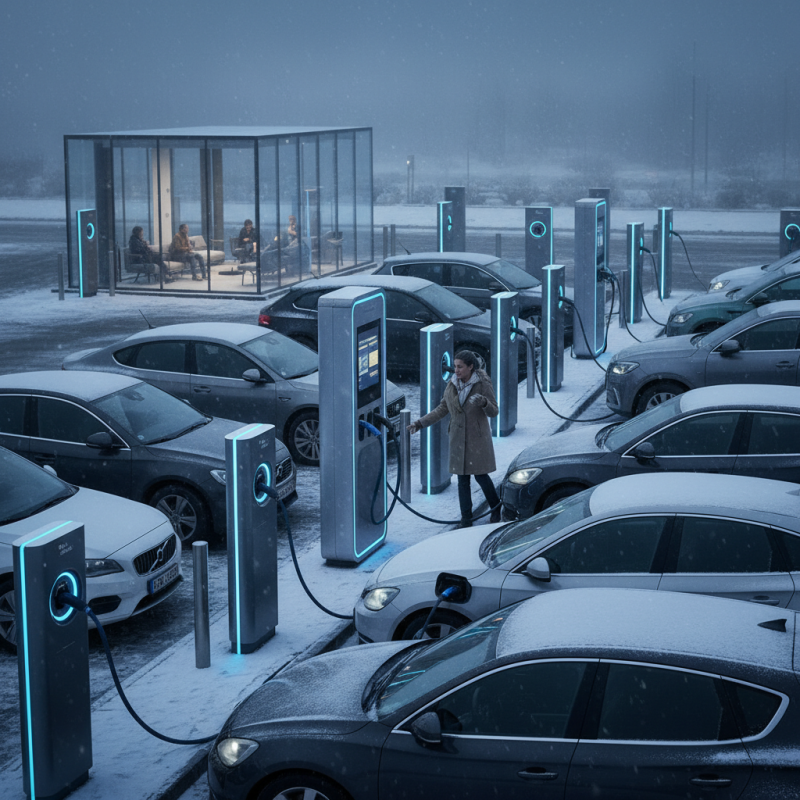
EV charging stations can experience slower charging times based on various factors. One significant aspect is the type of charger used. Level 1 chargers typically deliver around 2 to 5 miles of range per hour. In contrast, Level 2 chargers offer about 25 miles of range in an hour. Fast chargers can provide hundreds of miles in just 30 minutes.
Another critical factor is the vehicle's battery management system. Batteries charge at different rates depending on the current state and temperature. For instance, colder temperatures can slow the charging process by affecting battery chemistry. According to a report by the International Council on Clean Transportation, the efficiency of fast charging can reduce by 25% in colder conditions.
Tip: Always check the charging station's specifications. Knowing the type of charger can help manage your expectations.
Network congestion can also cause slowdowns. If multiple vehicles are charging simultaneously, the maximum output can be divided among them, resulting in longer wait times. A study by the Electric Vehicle Infrastructure Testing Program noted that charging speeds can drop by 20-50% during peak usage times.
Tip: Try to charge during off-peak hours. This approach often ensures faster charging and availability.
Electric Vehicle (EV) charging stations often experience slow charging times, largely due to the type of charger used. There are three main types of EV chargers:
Level 1 chargers are the most basic. They connect to a standard household outlet, but they deliver a mere 2-5 miles of range per hour. This is often insufficient for daily commuting needs.
Level 2 chargers are more common in public charging infrastructure. They can provide 10-60 miles of range per hour. According to the U.S. Department of Energy, these chargers are typically found in parking lots and homes. While faster than Level 1, they still take time, especially during peak hours. Limited availability during high-demand periods means some users may face longer wait times.
DC Fast Chargers can deliver up to 350 kW, resulting in 100 miles of range in about 30 minutes. However, they are fewer in number and are not universally available. The International Energy Agency estimates that only 20% of charging stations worldwide are DCFCs. Users need to adapt their charging strategies based on charger types and availability. This inconsistency highlights the ongoing challenges in optimizing EV infrastructure for all users.
The charging rate of electric vehicles (EVs) can vary due to several external influences. Weather plays a significant role; colder temperatures can slow down charging speeds. Lithium-ion batteries, commonly used in EVs, perform less efficiently in extreme cold. This inefficiency can lead to noticeable delays during winter months.
Another factor is the electrical grid's capacity. During peak times, the demand for electricity increases. Charging stations may limit power delivery to manage this demand. This situation often results in extended charging times for EV owners. Users might find themselves waiting longer than expected, especially during high-traffic periods.
Additionally, the type of charging station impacts the speed. Fast chargers can significantly reduce charging times, but not all stations are equipped with this technology. Drivers may arrive at slower stations, unaware of the potential delays. Learning about these factors can help EV owners plan better and mitigate charging frustrations during busy hours.
The chart below displays the average charging speeds of electric vehicles (EVs) at different times of the day. External influences such as temperature, grid demand, and charger type can affect these rates significantly.
Electric vehicle (EV) charging stations often experience
slow charging times due to network congestion. As more EVs hit the roads, demand for charging increases.
This surge can overwhelm local electrical grids, especially during peak hours.
When too many vehicles try to charge simultaneously, the available power may be stretched thin. As a result,
charging speeds drop significantly.
Network congestion can also stem from the infrastructure's limitations. Not all charging stations are equipped to handle
multiple high-demand users at once. In some cases, older chargers may lack the technology
necessary for efficient energy transfer. This inconsistency can frustrate EV users,
who expect rapid charging. Moreover, even new charging stations can struggle to meet demand in high-traffic areas during
busy times or events.
While advances in technology are helping to alleviate these issues, challenges remain. The growth of EVs is outpacing
the development of supporting infrastructure. Many locations still lack sufficient chargers, leading to longer wait times.
Continuous investment and upgrades to the electrical grid are crucial. Otherwise, users may continue to face
inefficiencies in the charging experience.
Electric vehicle (EV) charging stations can sometimes be slower than expected. One major reason lies in the technological limitations of the charging infrastructure. Many public charging stations still utilize older technology, often resulting in lower charging speeds. For example, Level 2 chargers typically provide between 3.7 kW and 22 kW of power. In contrast, DC fast chargers can deliver 50 kW or more. Although fast charging is becoming more common, a significant percentage of stations still lack these capabilities.
Infrastructure is a big challenge. The National Renewable Energy Laboratory reports that only 10% of charging stations are capable of delivering high-speed charging. Many EV owners may find themselves at stations where older technology prevails. This can lead to long wait times. Additionally, local grid limitations can restrict power delivery, especially during peak hours. As demand for charging increases, grid stability becomes a pressing concern.
Tips
If you frequently charge your EV, look for fast-charging stations along your route. Use apps to find the latest availability and speed capabilities. When possible, charge during off-peak hours to avoid congestion. This can make a significant difference in your charging experience.
: The charger type is a major factor. Level 1 chargers are slow, while fast chargers are much quicker.
Colder temperatures can slow down charging due to battery chemistry changes. Faster charging may reduce by 25% in cold weather.
When many cars charge at once, speeds may drop. During peak times, charging can slow by 20-50%.
Charging during off-peak hours can help. This often ensures better availability and faster speeds.
High traffic can increase demand on charging stations. This can lead to longer wait times and delays.
Yes, the vehicle's battery management system can determine the charging speed depending on its state and temperature.
Always check the specifications of the charging station. Knowing the charger type helps manage your expectations.
No, not all stations offer fast chargers. Some may take much longer, leading to frustration for drivers unaware.
Extreme temperatures affect battery performance. Cold weather can notably slow down the charging process.
Yes, the electrical grid's capacity can limit power delivery during peak times, resulting in extended charging times.
Understanding "Why EV charging stations are slow sometimes" involves examining several key factors. Firstly, the types of EV chargers significantly influence charging speed, with varying capacities and technologies leading to different rates of energy delivery. Furthermore, external influences, including temperature and weather conditions, can affect charging performance, as batteries and chargers operate optimally within certain ranges.
Additionally, network congestion plays a critical role; when multiple vehicles are charging simultaneously, the distribution of available power can diminish the efficiency of the charging process. Lastly, technological limitations in the existing infrastructure can restrict the maximum charge rate that stations can provide. By considering these elements, we gain insight into the complexities that contribute to slower charging times at EV stations.

Amp Link Charger