As electric vehicles (EVs) continue to gain popularity, the demand for efficient charging solutions rises. Wireless EV chargers represent a groundbreaking innovation. They offer convenience and ease of use. However, many users wonder how to use wireless EV chargers effectively. Understanding the best practices can maximize charging efficiency and improve overall user experience.
When considering wireless EV charging, it’s essential to understand the technology behind it. Charging pads and vehicle compatibility play crucial roles. Users may find it challenging to ensure proper alignment between the charger and the vehicle. Some may not realize how wirelessly charging can sometimes be slower than traditional methods. So, attention to detail becomes vital.
Moreover, the location of the charger can significantly impact efficiency. Placing it in a sheltered area protects against the elements. Regular maintenance is crucial to keep the devices functioning optimally. Users must often reflect on their charging habits. Small adjustments can lead to improved results. Embracing these principles is critical for those wanting to leverage wireless EV chargers fully.
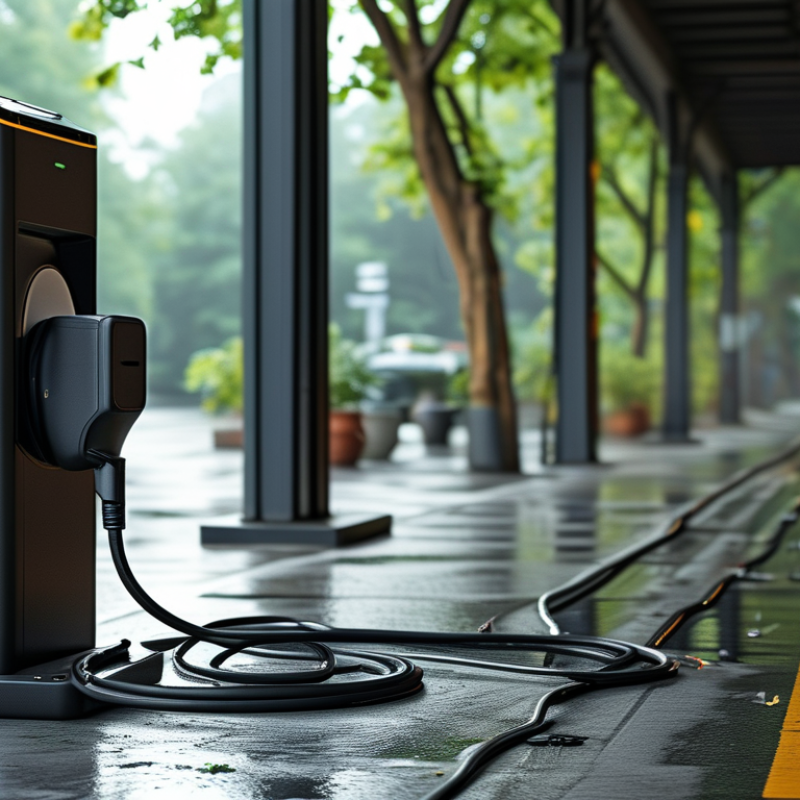
Wireless EV charging technology is transforming how we charge electric vehicles. Unlike traditional charging, wireless systems utilize inductive charging pads. These pads can offer a more convenient way to recharge, requiring no physical connection. According to a report by the International Energy Agency, the global electric vehicle market is expected to grow significantly, with a projection of 145 million electric cars on the roads by 2030. This growth is poised to boost the development of efficient wireless charging solutions.
One key benefit of wireless charging is the elimination of cable wear and tear. Over time, traditional chargers can suffer from fraying or damage due to frequent plugging and unplugging. Research indicates that most wireless charging units have a lifespan that outlasts traditional chargers by 2 to 3 years. Thus, investing in wireless technology can result in fewer replacements and lower long-term costs.
Consider optimal placement. Positioning your vehicle properly over the charging pad maximizes efficiency. Check for alignment indicators that many systems provide. Regular maintenance of the charging pad is essential too. Dirt and debris can significantly reduce charging speeds. Staying informed about advancements in wireless technology will also help you take advantage of new efficiencies as the industry evolves.
This chart illustrates the charging efficiency of traditional wired EV chargers compared to wireless EV chargers. Traditional chargers typically achieve around 85% efficiency, whereas wireless chargers maintain approximately 75% efficiency due to energy losses during the wireless transfer process.
Wireless EV chargers present an innovative solution for electric vehicle owners. To maximize their efficiency, several key factors must be considered. The alignment between the vehicle and the charging pad is crucial. Inaccurate positioning can significantly reduce energy transfer. Common mistakes include parking at awkward angles, leading to inconsistent charging. Visual guides can help ensure vehicles are correctly placed.
Another essential factor is the environment. Wireless charging can be affected by physical obstructions. Objects between the charger and the vehicle can disrupt the energy flow. Ensuring a clear space around the charging area is necessary. Additionally, temperature can influence charging efficiency. Extreme heat or cold may hinder optimal performance, requiring users to adapt accordingly.
Lastly, battery condition impacts charging performance. An aging or damaged battery may not charge efficiently with wireless systems. Users should regularly monitor their battery health to ensure they receive maximum benefits. Staying informed about these elements can lead to a more efficient charging experience. It's essential to reflect on personal habits and make adjustments where needed.
Wireless EV chargers offer convenience, but are they as efficient as traditional wired options? A comparative analysis reveals significant differences. Wired chargers provide direct connections, ensuring maximum energy transfer with minimal loss. They can typically achieve charging efficiency of around 90% or more. This makes them preferable for urgent charging needs.
In contrast, wireless chargers utilize electromagnetic fields to transfer power. While they provide unmatched convenience, their efficiency often hovers around 80%. This decrease is due to energy loss through heat and distance from the vehicle. It's essential to consider these factors when deciding on a charging method.
For those who choose wireless, placement is key. Make sure the vehicle is properly aligned with the charging pad to optimize energy transfer. Additionally, avoid using wireless chargers in direct sunlight. High temperatures can exacerbate efficiency loss. Regularly check for any obstructions that might interfere with the charging process. Small adjustments can make a significant difference in achieving better efficiency.
Monitoring your wireless EV charger is crucial for optimal performance. Regularly check the charging status via your smartphone app. This helps you understand the efficiency of your charger. You can troubleshoot any issues quickly. If you notice fluctuating charging speeds, it may indicate that the charger needs recalibration or maintenance.
Maintaining your wireless charger involves inspecting the pads for dirt or debris. A clean surface ensures efficient energy transfer. Dust or dirt accumulation can lower charging efficiency. Consider routine cleaning every few weeks. This small effort can prevent larger problems down the line.
Always consult the manufacturer’s guidelines for specific maintenance tips. This ensures that you follow best practices for longevity. If available, set reminders for regular maintenance checks. Over time, you might find certain practices that work better for your particular setup. Experimenting is sometimes necessary to achieve maximum efficiency.
| Charging Technique | Efficiency (%) | Monitoring Tool | Maintenance Frequency | Optimal Conditions |
|---|---|---|---|---|
| Inductive Charging | 85 | Energy Monitor | Monthly | Clear Skies |
| Resonant Inductive Charging | 90 | Power Analyzer | Quarterly | Stable Temp |
| Dynamic Wireless Charging | 78 | Vehicle Tracking System | Semi-Annually | Low Traffic |
| Parking Lot Charging | 80 | Charging Station Apps | Monthly | Adequate Space |
Wireless EV charging is evolving rapidly. Future trends hint at enhanced energy efficiency standards that could reshape this technology. Governments and companies are focusing on developing universal standards. This standardization is vital for interoperability. It can greatly improve user experience and reduce energy waste.
One emerging trend is the integration of smart technology. Smart chargers can optimize charging times and monitor energy usage. This feature helps users charge EVs during off-peak hours. Additionally, using renewable energy sources for charging can maximize sustainability.
Choosing the right location for a wireless charger is crucial. Position it where it receives minimal interference. This will ensure better efficiency. Regularly update software for optimal performance. Monitor charging patterns to understand your usage. This can guide more responsible energy consumption. These simple actions can lead to significant energy savings over time.
: Wired chargers typically achieve efficiency of around 90% or more. This ensures minimal energy loss.
Wireless chargers often hover around 80% efficiency due to heat loss and distance from vehicles.
Ensure proper alignment with the charging pad and avoid using it in direct sunlight to reduce efficiency loss.
Emerging trends include enhanced energy standards and the integration of smart technology for better efficiency.
Proper placement minimizes interference, optimizing energy transfer and enhancing charging efficiency.
Smart chargers can optimize charging times and monitor energy usage, helping users charge during off-peak hours.
Regularly check your charging usage. This understanding can help promote more responsible energy consumption.
High temperatures can exacerbate efficiency loss, so avoid using chargers in direct sunlight.
Yes, energy loss can occur if the vehicle is not aligned correctly or if there are obstructions.
Regular updates optimize performance and can lead to better energy efficiency over time.
In the evolving landscape of electric vehicle (EV) infrastructure, mastering "how to use wireless EV chargers effectively" is essential for maximizing charging efficiency. Understanding the underlying technology of wireless charging and its myriad benefits, such as convenience and reduced wear on physical connectors, sets the foundation for users. Key factors influencing charging efficiency include the alignment of the vehicle with the charging pad, the charging power level, and the duration of charging sessions, all of which can significantly enhance the overall experience.
A comparative analysis highlights the efficiency gains of wireless systems compared to traditional wired setups, while monitoring and maintenance practices play a crucial role in preserving performance over time. As we look toward the future, trends in wireless EV charging and energy efficiency standards promise to further optimize these systems, potentially leading to wider adoption and integration into daily life.

Amp Link Charger