As electric vehicles (EVs) gain popularity, tracking charging sessions has become essential. Many users look for effective ways to monitor their vehicle's charging activities. According to a report by the International Energy Agency (IEA), global electric vehicle sales surged to 6.6 million in 2021, highlighting the rising demand for efficient charging solutions.
Experts emphasize the importance of using apps for this purpose. Mark Thompson, a leading analyst at EV Insights, stated, "Tracking charging sessions with apps empowers users to maximize their vehicle's performance and efficiency." By leveraging technology, EV owners can gain insights into their charging habits and identify the best charging locations.
However, not all apps provide the same level of detail or usability. Some users report limitations in tracking features, while others struggle with app compatibility. Ultimately, understanding how to track charging sessions with apps not only aids EV owners in managing energy consumption but also contributes to a more sustainable driving experience.
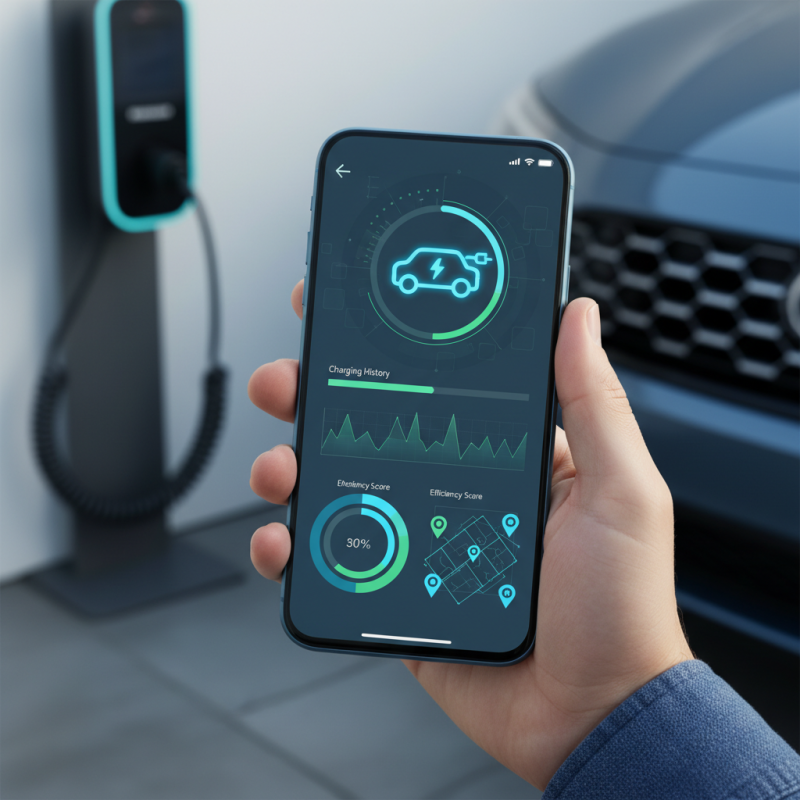
Benefits of Using Apps to Track Charging Sessions for EVs
Tracking charging sessions with apps has become essential for electric vehicle (EV) owners. These tools offer insights into charging habits, helping users optimize their electric consumption. According to the International Energy Agency, the global electric vehicle stock surpassed 10 million in 2020, showcasing the growing need for effective tracking solutions.
Using apps to monitor charging sessions has numerous benefits. They provide real-time data on charging speeds and energy costs. Users can identify patterns, aiding in budgeting for electricity expenses. Some reports suggest that savvy users save up to 20% on energy costs by analyzing their charging habits. Additionally, apps can direct users to nearby charging stations, reducing downtime during long trips.
Tip: Regularly check the app for updates on charging stations. This can help you avoid long waits.
Another advantage is the tracking of eco-friendliness. Many apps show how much CO2 emissions are saved by using electric power. This feature allows users to feel more connected to their environmental impact.
Tip: Aim to charge during off-peak hours. This strategy can cut costs while benefiting the grid.
The impact of tracking charging sessions is clear. Users gain valuable data that enhances their EV experience. However, it’s important to be aware of potential inaccuracies in app data. Regular feedback can improve app reliability. Understanding these nuances is vital for maximizing the benefits of EV charging apps.
Key Features to Look for in EV Charging Tracking Apps
When tracking charging sessions for electric vehicles, finding the right app matters. Here are some key features to consider. A good EV charging tracking app should allow you to monitor charging progress in real-time. This way, you can easily see how much energy your vehicle has consumed. Also, comprehensive data on charging history can be beneficial. Analyzing your past usage helps optimize future charging sessions.
Convenience is crucial. Look for apps that offer a user-friendly interface. It should be easy to navigate and provide clear information. Additionally, notifications about charging status can keep you informed. This feature allows you to unplug at the right time, preventing overcharging and preserving battery health.
Tips: Always check for compatibility with your vehicle's make. Some apps work better with specific models. Pay attention to user reviews, as they can indicate an app’s reliability and performance. Lastly, regular updates are essential. Apps need to evolve with technology to remain effective. Not all apps succeed in this, so do your research.
Analyzing Usage Patterns: Data-Driven Insights from Charging Logs
Tracking charging sessions through apps offers valuable insights into electric vehicle usage. By analyzing charging logs, users can identify patterns that inform their charging habits. For example, some find they charge more frequently at home, while others prefer public stations. These trends can reveal the most energy-efficient times to charge.
Understanding these trends helps drivers optimize their charging schedules. It can also indicate potential issues, such as frequent need for charging or inefficiencies in battery performance. However, gathering this data isn't always straightforward. Users might encounter inconsistencies in logging or data storage issues.
Data-driven insights pave the way for improving EV experiences. Access to this information supports better decision-making and can lead to significant savings. Yet, there is a learning curve in utilizing these apps effectively. Users may need to experiment before fully grasping usage trends. This journey highlights the importance of
patience and attention to detail in tracking charging sessions.
Integration of Charging Apps with Smart Home Systems and EVs
Integrating charging apps with smart home systems enhances the management of electric vehicle (EV) charging sessions. Many users find challenges in coordinating these technologies. When properly linked, smart home systems can schedule charging sessions based on energy tariffs, optimizing costs. This integration allows users to track real-time data, showcasing energy consumption and savings. However, some may struggle with compatibility issues between devices.
Device management can also be a source of frustration. Users often need to navigate various apps. One solution is having a user-friendly interface that aggregates data from multiple charging sources. This can help eliminate confusion and improve tracking accuracy. Moreover, smart home integration can alert users to charging status, ensuring they remain informed without constant app monitoring.
Despite the potential advantages, issues like app reliability can emerge. Users may experience software glitches or delayed notifications, causing distrust in the system. Additionally, frequent updates and technology changes demand ongoing adjustments. It’s essential to reflect on these challenges and consider user experiences when enhancing the integration of charging apps with smart home systems. Each adjustment brings us closer to a more efficient future for EV owners.
Comparative Review of Popular EV Charging Tracking Apps in 2023
In 2023, tracking electric vehicle (EV) charging sessions has become easier with various mobile applications. These apps help users monitor energy consumption, charging speed, and costs. Many offer real-time data and detailed analytics, yet not all are user-friendly. When selecting an app, it’s essential to examine its interface and how intuitively it presents the information. Some apps may overwhelm new users with unnecessary details.
Comparative reviews highlight differences among popular charging tracking options. Some excel in comprehensive reporting, while others focus on simplicity and ease of use. Users have noted that certain apps experience glitches, leading to inaccurate readings. It's crucial to choose an app that consistently performs well and updates regularly. Evaluating user feedback is beneficial in identifying potential pitfalls.
Ultimately, the right app can enhance your EV experience. However, relying solely on one source of information may not be wise. Different scenarios can arise while charging, such as varying electricity rates and charging station availability. A multi-faceted approach, using diverse apps or resources, can lead to more informed decisions about EV charging habits.
How to Track Charging Sessions with Apps for Electric Vehicles? - Comparative Review of Popular EV Charging Tracking Apps in 2023
| App Name |
Key Features |
User Rating |
Supported Vehicles |
Price |
| App A |
Real-time tracking, Charging history, Notifications |
4.5/5 |
All major brands |
Free with premium options |
| App B |
Location tracking, Charger availability, Community feedback |
4.3/5 |
Select brands |
$2.99/month |
| App C |
Cost estimation, Energy consumption reports, Remote monitoring |
4.0/5 |
Most EVs |
Free |
| App D |
Graphical data analysis, Multi-vehicle support, User-friendly interface |
4.7/5 |
All major brands |
$1.99/month |
| App E |
In-app payment, Discount offers, User reviews |
4.2/5 |
Select EVs |
Free with ads |
Conclusion
Tracking charging sessions for electric vehicles (EVs) has become increasingly important for efficient energy management and cost savings. In the article "How to Track Charging Sessions with Apps for Electric Vehicles," the benefits of using apps include better understanding of charging habits, optimizing charging times, and monitoring costs. When evaluating these apps, users should look for key features like real-time data tracking, user-friendly interfaces, and integration capabilities with smart home systems and EVs.
Furthermore, the analysis of usage patterns through data-driven insights enables users to make informed decisions about their charging habits. The article also presents a comparative review of popular EV charging tracking apps in 2023, guiding users on how to track charging sessions with apps effectively. By leveraging these tools, EV owners can enhance their overall charging experience and maximize the benefits of electric vehicle ownership.

 Amp Link Charger