As electric vehicles (EVs) gain momentum, wireless EV chargers emerge as a practical solution. Understanding "How to use wireless EV chargers effectively" is crucial for both users and industry professionals. According to a report by the International Energy Agency (IEA), global EV sales reached 10 million in 2022, indicating a growing need for innovative charging solutions.
Wireless charging technology offers convenience and represents a shift towards smarter energy usage. However, despite its advantages, many users struggle with optimal use. In a survey conducted by the Electric Vehicle Association, nearly 40% of respondents expressed confusion about effective charging practices. This highlights the need for clarity and guidance in utilizing wireless technologies.
Adopting best practices for wireless EV chargers can significantly enhance user experience. For instance, ensuring proper alignment can improve charging efficiency. Nevertheless, users sometimes overlook this, leading to slower charging times. Addressing these issues is essential for seamless integration of wireless chargers into everyday life, ultimately supporting a more sustainable future.
Understanding Wireless EV Chargers: Technology and Benefits
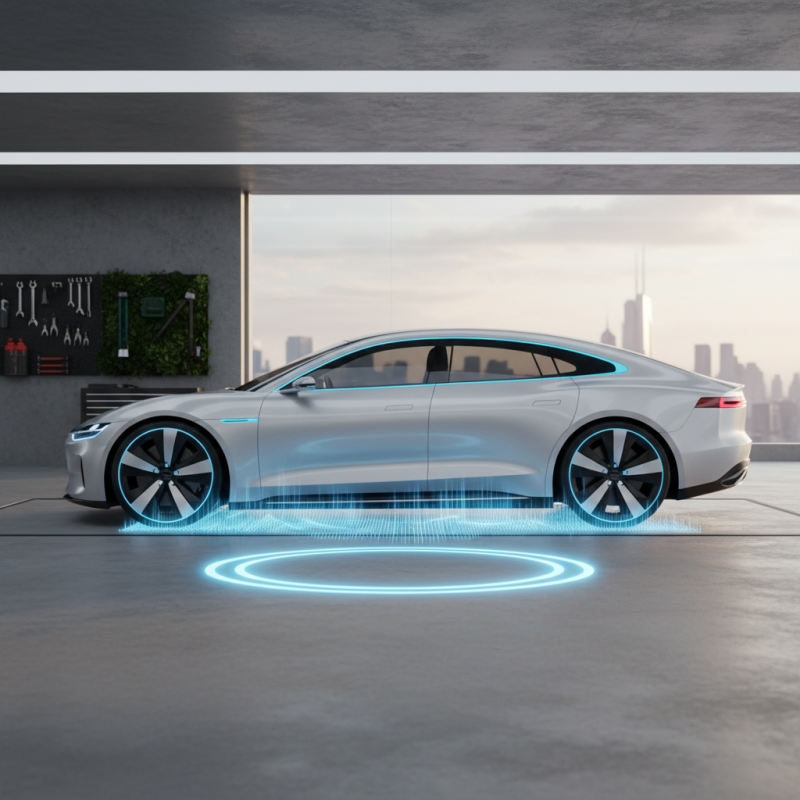
Wireless EV chargers represent a leap forward in electric vehicle technology. They eliminate the hassle of tangled cords and provide a seamless charging experience. This technology uses magnetic resonance to transmit power. This method increases convenience but also requires careful positioning for maximum efficiency.
To use wireless chargers effectively, ensure your vehicle aligns perfectly with the charging pad. A misalignment can reduce charging efficiency significantly. Also, consider the environment. Charging on a flat surface helps maintain optimal contact. Dust or debris can hinder performance, so keep the charging area clean.
Another tip is to monitor your charging habits. Charging overnight may seem convenient, but it can impact battery health over time. Instead, aim for partial charges throughout the day when possible. Awareness of these patterns will help you prolong battery life and improve charging efficiency. Making small adjustments in your approach can lead to better overall performance.
Top Considerations for Choosing the Right Wireless Charger for Your EV
When selecting a wireless charger for your electric vehicle (EV), several critical factors come into play. Battery efficiency is vital. A report from the International Energy Agency highlights that efficient charging systems can reduce energy loss by up to 15%. This means that choosing a charger with high energy conversion rates can make a significant difference in overall charging costs and battery health.
Compatibility is another essential consideration. Many EVs vary in their charging protocols. It’s crucial to ensure the wireless charger you select aligns with your vehicle's specifications. Failing to do so may lead to inefficiencies or even damage to the electrical systems. Charging speed is also a factor. Data from the Electric Power Research Institute suggests that faster charging can increase usage convenience, reducing the time vehicles spend connected to chargers.
Lastly, pay attention to safety features. Wireless charging systems should have protection against overcharging and overheating. Inadequate safety measures can compromise the battery's longevity and safety, potentially leading to costly repairs or hazardous situations. A reliable wireless charging system provides peace of mind. It's clear that making informed choices about wireless chargers is essential for maximizing EV performance and reliability.
Top 10 Tips for Using Wireless EV Chargers Effectively
Optimizing Charging Efficiency: Best Practices for Wireless EV Charging
Wireless EV charging has gained traction in recent years. Charging efficiency is a key factor for electric vehicle (EV) users. A study by the International Council on Clean Transportation (ICCT) reported that wireless charging systems can achieve charging efficiencies of 85% to 90%. However, real-world conditions often reduce efficiency. Factors include alignment issues and environmental interference, which can lead to up to 15% energy loss.
To optimize charging, users should ensure proper vehicle placement. Misalignment can significantly affect charging rates. A small shift of just a few centimeters might reduce efficiency. Regular maintenance of charging pads is also crucial. Dust and debris can diminish effectiveness. According to a report by the U.S. Department of Energy, proper pad maintenance can enhance lifespan and improve efficiency by up to 10%.
Another important aspect is charging duration. While many assume longer charging means better efficiency, this is not always true. Overcharging may lead to energy waste and can damage the vehicle's battery. Users should monitor charge levels. Data from the Electric Power Research Institute shows that ideal charging times vary based on the vehicle and battery technology. Understanding these factors will lead to better outcomes in daily EV use.
Safety Protocols and Standards for Wireless EV Charger Usage
Wireless EV chargers are transforming the way we think about electric vehicle charging. However, with this convenience comes the need for adherence to safety protocols and standards. Proper installation is crucial. Ensure chargers are placed in well-ventilated areas to prevent overheating. Regular checks for wear and tear can significantly mitigate risks.
Understanding the standards set forth by electrical safety organizations is essential. These guidelines often include specific voltage and power requirements. It's important to stay updated on local standards that may vary by region. If you notice any irregularities, such as unusual noises or overheating components, consider consulting with a qualified professional. Safety should never be compromised for convenience.
Another consideration is environmental conditions. Extreme temperatures can affect the efficiency of wireless EV chargers. If you live in a region with harsh weather, extra precautions may be necessary. Regular maintenance may require time and effort, but it's a worthy investment in safety. Reflecting on our charging practices can help us optimize both safety and efficiency.
Comparative Analysis: Wireless vs. Wired EV Charging Efficiency Metrics
Wireless EV charging is gaining traction, but understanding its efficiency compared to wired options is crucial. Wireless chargers use electromagnetic fields, while wired chargers deliver energy directly. This difference can affect charging speed and energy loss. Studies show that wired options typically offer higher efficiency metrics. However, advancements in wireless technology are closing this gap.
To maximize wireless charging, consider your vehicle's alignment with the charger. Ensure proper positioning for optimal energy transfer. Also, monitor your battery level to prevent overcharging. While wireless charging offers convenience, it may not always charge as quickly as wired methods.
Invest in a quality installation. Poor setups can lead to energy wastage. Keep your charger clean and free of debris. This maintenance boosts efficiency and longevity. Wireless EV chargers represent a promising future, but acknowledging their limitations is key.
Top 10 Tips for Using Wireless EV Chargers Effectively
| Tip |
Wireless Charging Efficiency (%) |
Wired Charging Efficiency (%) |
Comments |
| Position Charger Properly |
90% |
95% |
Minimize distance for efficiency. |
| Daily Charging Routine |
85% |
92% |
Regular use helps maintain battery health. |
| Avoid Obstacles |
80% |
90% |
Ensure a clear path for signals. |
| Use Compatible Devices |
88% |
94% |
Ensure device compatibility for optimal performance. |
| Optimal Charging Time |
86% |
93% |
Charge during off-peak hours. |
| Temperature Control |
82% |
89% |
Avoid extreme temperatures during charging. |
| Regular Maintenance |
84% |
91% |
Ensure proper working condition of chargers. |
| Understand Charging Limits |
80% |
88% |
Know your vehicle's maximum charge rate. |
| Monitor Energy Usage |
78% |
86% |
Track how much energy each type uses. |
| Upgrade Equipment When Needed |
75% |
84% |
Consider new technologies for better efficiency. |
Conclusion
Wireless EV chargers offer a cutting-edge solution for electric vehicle owners, providing convenience and flexibility in charging. To effectively utilize these devices, it's essential to understand the underlying technology and the numerous benefits they offer, such as reduced wear on charging ports and the potential for seamless integration into home environments. When choosing a wireless charger, factors such as compatibility with your EV model, power output, and installation requirements should be carefully considered to ensure optimal performance.
To maximize charging efficiency, adopting best practices is key, including proper positioning of the vehicle and charger, and ensuring a clear line of sight between the transmitter and receiver. Additionally, adhering to safety protocols and standards is critical to prevent hazards. Finally, comparing the efficiency metrics of wireless versus wired charging can provide valuable insights into the most suitable option for your needs. Understanding how to use wireless EV chargers effectively will enhance your charging experience and improve your vehicle's overall performance.

 Amp Link Charger