As the electric vehicle (EV) market expands, selecting the right charging network subscriptions becomes crucial. An industry expert, Dr. Emily Green, emphasizes this: "Choosing the right EV charging network can significantly affect your driving experience." Consumers often face confusion over numerous options and pricing structures. Understanding how to choose EV charging network subscriptions is essential for maximizing convenience and cost-effectiveness.
One important factor is coverage. Different networks offer varying levels of access depending on your location. Researching local availability helps prevent frustrating situations when your vehicle needs a charge. Moreover, consider subscription fees and payment methods, as these can impact your overall expenses. You might be tempted by cheaper plans, but they may lack essential features like reliable customer support.
Another point to reflect on is the reliability of the network. Not all networks provide the same charging speed or uptime. Reading user reviews and checking network reliability indicators can provide clarity. Ultimately, prioritizing your unique driving habits will guide your subscription choice. Making an informed decision requires effort and awareness, but it pays off in improved travel experiences.
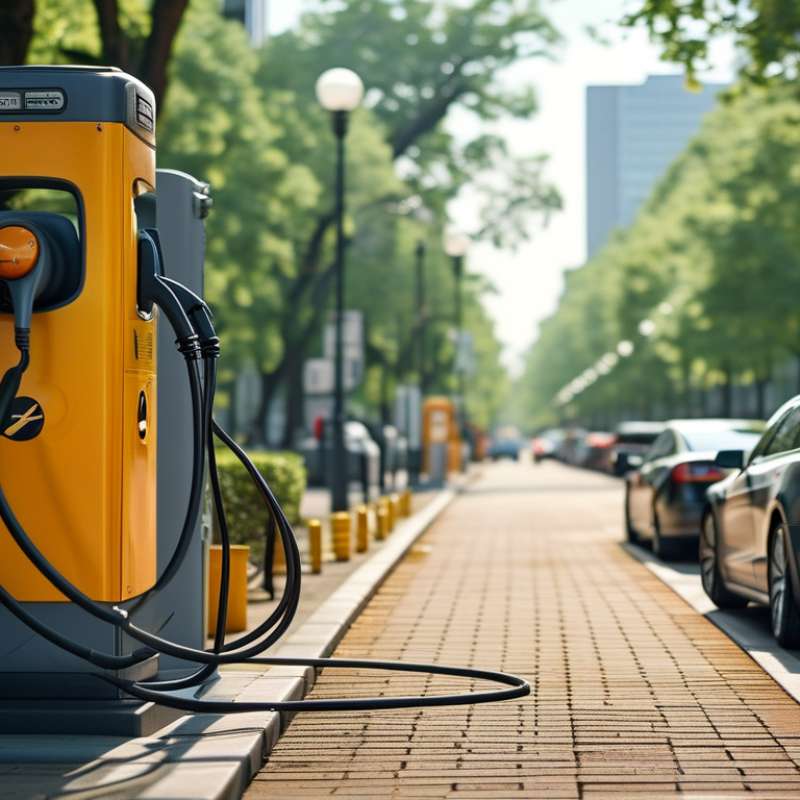
When selecting an EV charging network subscription, understanding the types available is crucial. There are three primary categories: public, private, and semi-public networks.
Public networks are widely accessible and found in urban areas. They serve the highest number of users but can be congested during peak times. According to the International Energy Agency, there were over 1.8 million public charging points worldwide as of 2022, highlighting their growing importance.
Private networks often serve specific facilities or businesses. Their main advantage lies in control and predictability. They can cater to business fleets or residential areas, ensuring dedicated access. Semi-public networks blend features of both types, providing limited access to a broader audience. They support businesses, allowing customers to charge while shopping. Finding the right fit requires analyzing user patterns and needs.
Users should consider pricing models and network reliability. Some networks charge per session, while others use monthly subscriptions. Understanding these options is vital for budget management. Research shows that users often underestimate the impact of pricing structures on overall costs. It's essential to weigh convenience against expense carefully, as choices can lead to frustrating experiences later on.
: There are three types: public, private, and semi-public. Public networks are widely accessible, while private networks offer dedicated access.
Charging speeds can differ significantly. Fast chargers can deliver over 22 kW, but some networks are slower, which can affect daily travel.
Users often underestimate the impact of network reliability on their experience. Unreliable networks can lead to frustrating charging situations.
Pricing models vary widely. Some charge per session, while others have monthly fees. Understanding these can help manage your budget better.
Geographic coverage is crucial. Many users face availability issues, making dense networks preferable for reducing range anxiety.
Reliable customer support is vital. Look for networks with effective assistance, like chatbots or user-friendly apps for quick help.
Yes, extra services like maintenance perks and rewards can enhance user experience. Many users appreciate loyalty benefits from networks.
Reflect on your driving patterns. Determine if you need fast chargers or greater availability based on your usual routes.
Users often encounter congestion, slow charging speeds, and unclear pricing structures. These can impact overall satisfaction.
Striking a balance between charging speed and network availability is vital. Both factors can significantly affect your EV usage experience.
When considering how to select EV charging network subscriptions, it's crucial to understand the different types of networks available. Each network can vary significantly in terms of charging speed, availability, and overall accessibility. Evaluating the pricing models of various subscription plans is also essential, as it helps in identifying which options best fit your budget and usage patterns.
In addition, assessing network coverage ensures that you have convenient access to charging stations whenever needed. Don't overlook the importance of customer support and additional services, as these can greatly enhance your charging experience. By taking these factors into account, you can make an informed decision that meets your electric vehicle charging needs effectively.

 Amp Link Charger