How Solar Energy Integrates with EV Chargers Efficiently?

Time:2026-05-28 Author:Isabella
0%

The growing demand for electric vehicles (EVs) presents a unique opportunity for solar energy integration. As of 2023, over 10 million electric cars are on the road globally, and this number is expected to rise sharply. This trend emphasizes the need for efficient charging solutions. The integration of solar energy with EV chargers can help reduce reliance on fossil fuels while promoting sustainable transportation practices.

Understanding "how solar energy integrates with EV chargers" is key to maximizing this potential. According to a report by the International Energy Agency (IEA), solar-generated electricity can significantly cut charging costs. Combining solar panels with charging stations provides an eco-friendly energy source. However, challenges remain, such as the initial investment required and energy storage solutions.

Navigating these challenges is critical for widespread adoption. Industry experts recommend focusing on local policies and incentives to encourage solar installations. Reflecting on these factors will shape an efficient energy ecosystem. As we explore this connection, it is clear that innovation and investment are essential for a cleaner future.
How Solar Energy Integrates with EV Chargers Efficiently?

Overview of Solar Energy and Electric Vehicle Chargers

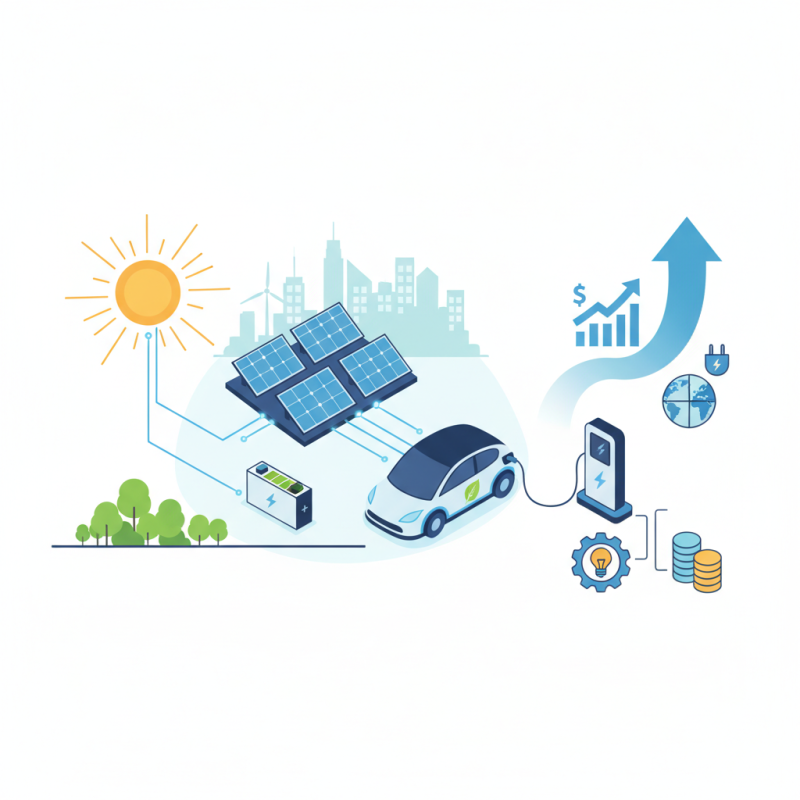
Solar energy is a versatile and sustainable resource, making it an ideal partner for electric vehicle (EV) chargers. When solar panels harness sunlight, they transform it into electricity. This energy can then be used directly to charge EVs, reducing dependency on the grid. The integration of solar energy and EV chargers creates a more eco-friendly infrastructure. It promotes cleaner transportation and helps lower carbon emissions.

However, there are challenges. Weather conditions can affect solar energy production. On cloudy days, the output decreases, which may impact charging performance. Additionally, the initial investment for solar panels can be significant. Homeowners need to evaluate the long-term savings versus upfront costs. Despite these drawbacks, many users report satisfaction with reduced electricity bills and increased energy independence.

Efficient integration requires a smart charging system. This technology not only controls the charging process but also optimizes energy usage. Users can monitor energy generation and consumption via apps. This transparency helps in making informed decisions about energy usage. While the approach is promising, ongoing improvements in technology and policy are necessary to enhance solar and EV synergy further.

How Solar Energy Integrates with EV Chargers Efficiently?

Aspect Solar Energy Source EV Charging Method Efficiency (%) Cost Savings ($)
Solar Panel Type Monocrystalline Level 2 Charger 20 300
Solar Panel Type Polycrystalline DC Fast Charger 18 250
Solar Panel Type Bifacial Level 2 Charger 22 350
Integration System Grid-tied Level 1 Charger 15 200

Benefits of Integrating Solar Energy with EV Charging Stations

Integrating solar energy with electric vehicle (EV) charging stations offers numerous benefits. Combining these technologies enhances sustainability while reducing energy costs. Solar panels generate clean energy, powering EV chargers with renewable resources. This reduces reliance on fossil fuels, contributing to a greener environment.

By harnessing solar power, EV users can charge their vehicles for free during sunny days. This not only saves money but also encourages more drivers to switch to electric cars. Installing solar panels alongside charging stations can attract eco-conscious customers, promoting a positive brand image.

Tips: Consider local solar incentives. Many regions offer tax credits or rebates for solar installations, making it more affordable. Evaluate the size of the installation. A well-sized solar system can optimize energy efficiency for EV charging. Regular maintenance ensures maximum output, prolonging the life of both solar panels and chargers.

While the integration seems efficient, it's essential to assess the solar production against charging demand. Seasonal variations affect energy generation. Therefore, backup power sources may be needed during lower production times. Understanding this can improve energy management and minimize costs.

Technological Advances in Solar-Powered EV Charging Solutions

Solar energy is revolutionizing electric vehicle (EV) charging. Technological advances are making this integration more efficient than ever. According to a recent report by the International Energy Agency, the global number of electric cars on the road reached 10 million in 2020, a figure expected to exceed 145 million by 2030. Demand for sustainable charging solutions is surging.

Innovative solar-powered EV chargers are now available. These systems use photovoltaic panels that convert sunlight into electricity. They can charge vehicles in various settings, including homes and public spaces. This creates a decentralized energy model, reducing reliance on traditional power grids. Recent studies suggest that pairing solar energy with EV charging can decrease carbon emissions by up to 80%.

Despite these advancements, challenges remain. Charge times vary based on solar availability. Cloudy days can limit charging speed. Not all installations optimize solar input efficiently. There's also a need for more infrastructure to support widespread adoption. Community acceptance and local regulations play significant roles in deployment. Engaging local stakeholders is crucial for successful implementation.

Challenges and Solutions in Solar Energy-EV Charger Integration

The integration of solar energy with electric vehicle (EV) chargers presents both opportunities and challenges. According to the International Energy Agency (IEA), the adoption of electric vehicles is expected to grow significantly, hitting 145 million by 2030. This surge emphasizes the need for sustainable charging solutions, particularly those that leverage renewable energy sources.

However, the transition is not without obstacles. One major challenge is the inconsistency of solar energy generation. Weather conditions and geographical limitations can lead to fluctuating power availability. A report from the U.S. Department of Energy indicates that solar energy systems can underperform during winter months. Additionally, the initial cost of solar installation and EV chargers can deter users, despite long-term savings on energy bills.

Innovative solutions are emerging to address these issues. Energy storage systems, such as batteries, can store excess solar power generated during peak sunlight hours. This technology promotes a reliable charging experience for EV owners. Furthermore, public-private partnerships can help reduce upfront costs through incentives and financing options. The integration process is complex but is gradually evolving to ensure reliability and efficiency in clean energy transportation.

Integration of Solar Energy with EV Chargers

This chart illustrates the increasing percentage of solar energy contribution to electric vehicle (EV) charging from 2019 to 2023. As renewable energy sources gain traction, the integration becomes more efficient, promoting sustainable transportation solutions.

Future Trends in Solar Energy Utilization for Electric Vehicles

The future of solar energy integration with electric vehicle (EV) chargers is promising. As the demand for EVs grows, efficient solar solutions are becoming vital. According to a recent report by the International Renewable Energy Agency (IRENA), solar power can reduce the carbon footprint of EVs by over 40% when paired effectively with charging stations. This synergy not only benefits the environment but also enhances energy independence.

Tips: Consider local weather patterns. Solar energy production varies with climate. Understanding this can help in choosing the right solar technology. Also, think about energy storage systems. Batteries can store excess solar energy, ensuring continuous EV charging even during cloudy days.

The trend towards smart charging systems is becoming prevalent. These systems utilize AI to optimize charging times, making use of peak sunlight hours. A study by the National Renewable Energy Laboratory (NREL) states that smart charging could improve energy efficiency by 30%. However, the integration involves challenges, such as initial investment costs and infrastructure development. It’s imperative to assess these factors when planning the deployment of solar EV chargers.

FAQS

: What is the main benefit of combining solar energy with EV chargers?

: It reduces dependency on the grid and promotes cleaner transportation.

How does weather affect solar energy production for EV charging?

Cloudy days decrease solar output, which can impact the charging performance.

What kind of systems help optimize solar energy use for charging?

Smart charging systems control the process and monitor energy generation via apps.

What are the potential savings for homeowners using solar EV chargers?

Many users report lower electricity bills and increased energy independence over time.

What challenges exist in widespread adoption of solar-powered EV chargers?

Limitations include charge times, infrastructure needs, and local regulations.

How can energy storage systems benefit solar EV charging?

Batteries store excess energy, enabling continuous charging during periods of low sunlight.

What role do local stakeholders play in the implementation of solar EV chargers?

Engaging them is crucial for successful and accepted deployment within communities.

What is a significant trend in smart charging systems?

They use AI to optimize charging times and improve efficiency by up to 30%.

Why should people consider local weather when choosing solar technology?

Solar production varies with climate, impacting the effectiveness of the system.

Are there any costs associated with solar panel installation?

Yes, the initial investment can be significant, which requires careful evaluation.

Conclusion

The efficient integration of solar energy with electric vehicle (EV) chargers presents a promising solution for sustainable transportation. This process involves utilizing solar panels to generate clean energy, which can power EV charging stations, thereby reducing reliance on fossil fuels and lowering emissions. The benefits include cost savings on energy bills, a decrease in greenhouse gas emissions, and enhanced grid resilience.

Technological advancements have led to the development of solar-powered EV charging solutions, incorporating smart grid technology for better energy management. However, challenges such as intermittent energy supply, high initial costs, and the need for robust infrastructure persist. Addressing these challenges through innovative storage solutions and grid enhancements will be crucial. Looking ahead, trends indicate a growing synergy between solar energy and EV infrastructure, paving the way for a more sustainable future in transportation. Understanding "how solar energy integrates with EV chargers" will be essential for maximizing the efficiency and effectiveness of this transition.

Isabella

Isabella

Isabella is a dedicated marketing professional with a sharp focus on driving brand growth and engagement through strategic content creation. With an extensive background in digital marketing, she combines her passion for storytelling with her keen understanding of industry trends to deliver......