As the world shifts towards sustainable transportation, smart EV charging systems emerge as a pivotal solution. How does smart EV charging save energy? According to the International Energy Agency, electric vehicles (EVs) are expected to make up 30% of global car sales by 2030. This shift highlights an urgent need to optimize energy usage in charging processes. Smart charging technology enables efficient energy management by adjusting charge times based on grid demand and electricity prices.
Consider the impact on energy consumption. A study from the Union of Concerned Scientists shows that smart charging can reduce electricity costs by up to 40% for EV owners. This reduction is crucial, especially in regions where electricity prices fluctuate significantly. However, challenges remain, notably in the integration of smart charging systems with existing energy infrastructures. Not all EV owners fully understand these technologies, creating a gap that needs addressing.
Moreover, the need for standardized protocols complicates the implementation of smart charging solutions. As global electric infrastructure advances, clear communication will be essential. Smart EV charging holds tremendous promise for energy savings, but the journey toward widespread adoption will require collaboration and innovation across industries.
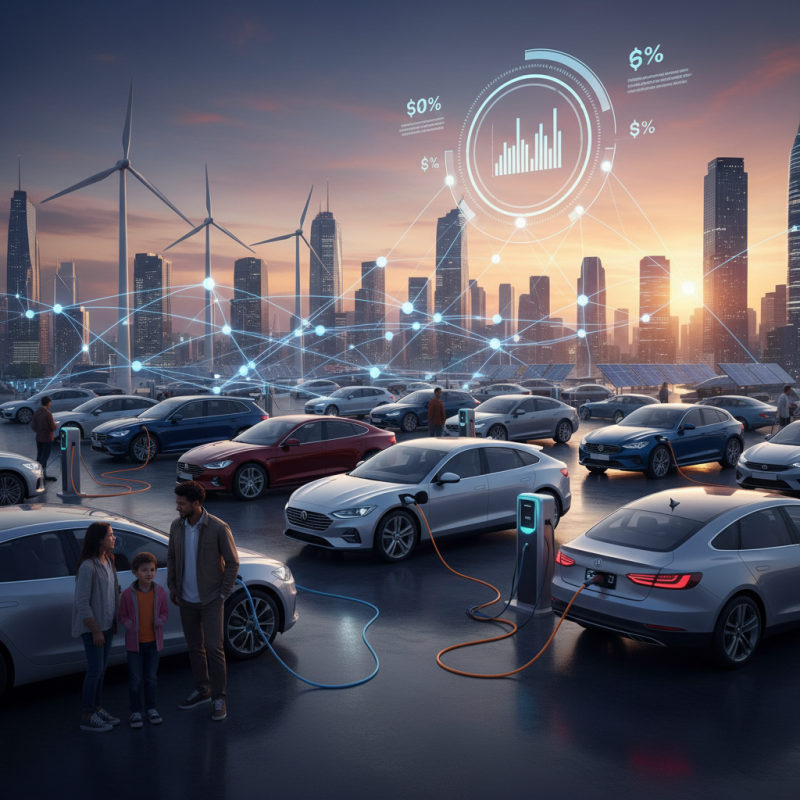
Smart EV charging technology revolutionizes how electric vehicles communicate with the grid. This system optimizes energy use by adjusting charging times based on grid demand. When electricity rates are low, EVs can charge efficiently. This not only saves costs but also reduces stress on the power grid during peak hours.
The integration of renewable energy sources plays a vital role in smart charging. Drivers can schedule charging when solar or wind energy is abundant. This minimizes reliance on fossil fuels and promotes sustainability. However, not all charging stations are equipped with this technology yet. As a result, many drivers may miss out on potential savings and environmental benefits.
Adapting to smart charging requires a shift in behavior for many EV owners. Some may struggle with setting up scheduling features. Others might find the technology intimidating or complex. Continuous education and user-friendly systems are crucial for improving accessibility. By addressing these challenges, we can fully harness the advantages of smart EV charging for energy conservation.
| Region | Average EV Charging Cost (per kWh) | Smart Charging Adoption Rate | Estimated Energy Savings (%) | Environmental Impact (CO2 Reduction) |
|---|---|---|---|---|
| North America | $0.13 | 25% | 15% | 120 million kg |
| Europe | $0.15 | 30% | 20% | 250 million kg |
| Asia | $0.10 | 35% | 25% | 300 million kg |
| Australia | $0.12 | 20% | 10% | 50 million kg |
: Smart EV charging optimizes energy use and promotes sustainability in electric vehicle charging.
Smart chargers adjust charging times and rates, reducing grid pressure during high demand.
Charging during off-peak hours can save on costs and contribute to a balanced energy grid.
Regularly check your charging schedules and usage. This reflection can optimize your energy consumption.
Not all areas have the necessary infrastructure, and initial setup costs can be high.
It reduces overall energy consumption and lowers electricity costs by regulating when energy is drawn.
Yes, these apps can help identify peak usage times for better EV charging planning.
Collaboration can lead to incentives and improved smart charging solutions, enhancing renewable energy use.
Adjusting your charging habits can significantly improve both personal energy savings and overall sustainability.
Smart EV charging technology represents a crucial advancement in energy management, providing significant benefits to global consumers and the environment. By utilizing intelligent systems that analyze energy demands and vehicle usage patterns, smart EV charging optimizes energy consumption. This optimization is achieved through time-based charging, which allows electric vehicles to charge during off-peak hours when energy rates are lower, leading to substantial savings for users.
The global impact of smart EV charging extends beyond individual savings; it contributes to a reduction in overall energy consumption and carbon emissions. As innovations in smart charging solutions continue to emerge, they hold the potential to further enhance energy efficiency. In light of these advancements, many wonder: how does smart EV charging save energy? The answer lies in its ability to strategically manage electricity demand and improve the overall efficiency of power grids, making electric vehicles more sustainable and accessible for consumers worldwide.

 Amp Link Charger