The rise of electric vehicles (EVs) is reshaping our transport landscape. As EV adoption grows, charging infrastructure becomes critical. SAE J1772 Charging Connectors are central to this development. These connectors enable drivers to easily charge their electric cars at various charging stations.
According to a recent industry report, over 1.4 million EVs were sold globally in 2021. This figure is expected to double in the next few years. Yet, one challenge remains: standardizing charging solutions. SAE J1772 Charging Connectors have emerged as the go-to standard in North America. They simplify the charging process and enhance compatibility across different EV brands.
However, challenges persist. Not all charging stations are equipped with SAE J1772 connectors. Inconsistent installation can cause user frustration. Furthermore, not all users are familiar with the charging process. This gap highlights a need for better education on using these connectors. Addressing these issues will be key to ensuring a smooth transition to electric mobility.
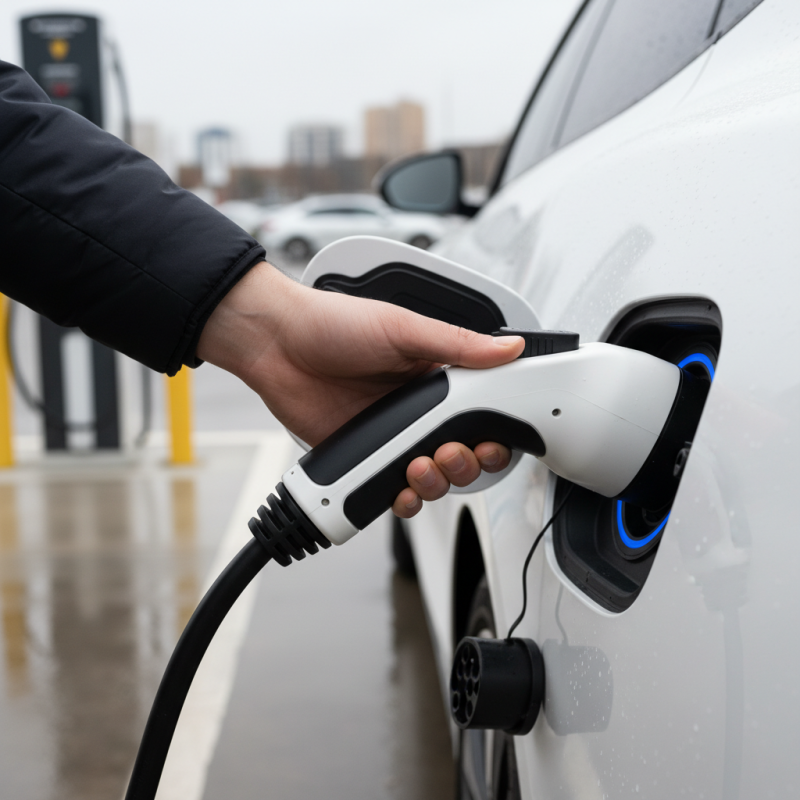
SAE J1772 Charging Connectors: An Overview of Standardization in EV Charging
SAE J1772 charging connectors play a crucial role in the standardization of electric vehicle (EV) charging.
The connector ensures compatibility across different EV models, promoting wider adoption.
According to the U.S. Department of Energy, nearly 800,000 electric vehicles were sold in 2021 alone.
This increasing number emphasizes the need for standardized charging solutions.
One vital aspect is the technical specifications.
SAE J1772 connectors support both AC and DC charging.
They can deliver up to 80 amps of current, providing a significant charge to EV batteries.
Many charging stations are now using these connectors, making it easier for EV owners to access power.
Tips: Always check the connector compatibility before charging.
This prevents frustrating experiences at charging stations.
For long trips, plan your route around stations with SAE J1772 connectors to avoid range anxiety.
Additionally, new charging technologies are emerging. Adapting to these changes is essential for EV users.
The landscape is evolving, and continuous learning is key to staying informed.
Key Components of SAE J1772 Connectors and Their Functions Explained
SAE J1772 connectors are crucial for electric vehicle (EV) charging. These connectors support Level 1 and Level 2 charging, offering versatility. The connector consists of several key components, each playing a vital role. The most notable is the pins, which transfer electrical current. They come in three different shapes: flat, round, and blade. This ensures a secure connection.
Another essential part is the locking mechanism. It keeps the connector firmly in place during charging. A robust latch engages when plugged in. This provides safety by preventing accidental disconnections. According to a report by the International Energy Agency, the number of public charging stations worldwide has grown significantly. By 2022, there were over 2 million charging points globally.
Furthermore, the communication protocol is important. It links the EV and the charging station, allowing for data exchange. This includes the amount of charge needed and safety checks. It can integrate with smart grids for optimized energy use. However, reliability can vary, leaving some EV users frustrated. Research shows that user experience is vital for EV adoption. Hence, addressing these imperfections is essential for the industry's future.
Technical Specifications: Voltage, Current Ratings, and Safety Features
SAE J1772 charging connectors are crucial in the electric vehicle (EV) ecosystem. They ensure a standardized approach for safe charging. The specifications define voltage and current ratings, which are vital for utility and efficiency.
The voltage rating for SAE J1772 connectors is typically up to 240 volts. This allows fast charging for various EV models. The current ratings can go up to 80 amps, providing flexibility for different charging needs. However, using higher currents may not always guarantee faster charging. It often depends on the vehicle's onboard charger capacity.
Safety features are essential in the design of these connectors. They include robust locking mechanisms and temperature control systems. These features aim to prevent overheating or accidental disconnection during charging. Users sometimes underestimate the importance of these aspects, potentially leading to issues. Ensuring proper use is crucial for maximizing safety and performance.
What are SAE J1772 Charging Connectors and How Do They Work? - Technical Specifications: Voltage, Current Ratings, and Safety Features
| Specification |
Details |
| Connector Type |
SAE J1772 |
| Maximum Voltage |
240V AC |
| Maximum Current |
80A |
| Power Levels |
Up to 19.2 kW |
| Safety Features |
Grounding, Overload Protection, Temperature Monitoring |
| Connector Pins |
5 Pins (including ground) |
| Standards Compliance |
SAE, UL, IEC |
| Weight of Connector |
~0.5 kg |
Understanding the Charging Process: AC vs. DC Charging with SAE J1772
SAE J1772 connectors are essential for electric vehicle charging. They enable vehicles to connect to various charging stations. Understanding the difference between AC and DC charging is crucial. AC charging uses alternating current, which is more common in home chargers. DC charging, however, delivers direct current. This allows for faster charging speeds.
When using an SAE J1772 connector, the charging process begins when you plug in your vehicle. The vehicle communicates with the charger. It ensures the correct power levels are delivered. This process is often seamless, but occasional issues may arise. Always double-check connection stability.
**Tips:**
1. Make sure your vehicle is compatible with SAE J1772.
2. Look for signs of wear on charging cables before use.
3. Don’t rush; take your time to ensure a secure fit.
Both AC and DC charging set the stage for a smoother driving experience. Yet, sometimes, the charging stations may have unexpected outages. It's wise to have backup charging options. Whether at home or on the road, planning ahead is essential.
SAE J1772 Charging Connectors: AC vs. DC Charging
The chart compares the charging speeds of AC and DC charging methods used with SAE J1772 connectors. AC charging typically provides up to 7.2 kW, while DC charging can deliver up to 150 kW, highlighting the significant difference in charging efficiency.
Global Adoption and Compatibility of SAE J1772 in Electric Vehicles Market
The SAE J1772 charging connector has become a standard in electric vehicle (EV) charging globally. It allows various vehicles to charge efficiently at Level 2 stations. Recent reports suggest that
over 80% of public charging stations in North America are equipped with this connector. This compatibility has boosted the adoption of EVs since drivers can easily find charging locations.
However, challenges remain. Not all countries have embraced the SAE J1772 standard. In Europe, for example, the CCS (Combined Charging System) is gaining traction. This fragmentation can confuse consumers. In some regions, the lack of a unified standard means that
EV owners may face charging limitations. Furthermore, as of 2023, approximately 70% of newly registered EVs in the U.S. utilize SAE J1772 connectors. Yet, this figure highlights the need for broader global compatibility.
Despite these challenges, the future looks bright. Analysts project that the global EV market will expand by 20% annually over the next decade. As infrastructure improves, the advantages of using SAE J1772 connectors may become even more pronounced. However, the industry must address compatibility issues to foster growth and maintain consumer confidence.
FAQS
These connectors can deliver up to 80 amps of current, providing a significant charge to EV batteries.
The connectors support both AC and DC charging, offering versatility for different charging needs.
Checking compatibility prevents frustrating experiences at charging stations. It’s crucial for smooth charging.
Plan routes around charging stations with SAE J1772 connectors to avoid range anxiety and ensure sufficient charging options.
The locking mechanism keeps the connector secure during charging, preventing accidental disconnections.
They use a communication protocol to exchange data about the charge needed and safety checks.
Reliability varies among charging stations, which can frustrate users and hinder EV adoption.
Adapting to emerging charging technologies and changes in the EV landscape is crucial for users.
A positive user experience is vital. Addressing imperfections in charging can help enhance adoption rates.
Conclusion
SAE J1772 Charging Connectors play a crucial role in the standardization of electric vehicle (EV) charging systems. These connectors ensure compatibility across various EV models, facilitating a seamless charging experience. Key components of the SAE J1772 connectors include the connector head, pins, and safety mechanisms, each designed to enhance functionality and reliability. The technical specifications set forth voltage and current ratings, alongside essential safety features, which underline the importance of reliability in charging operations.
Understanding the charging process is vital, especially the distinction between AC and DC charging when using SAE J1772 connectors. This knowledge is pivotal for users and manufacturers alike, as it influences charging speed and efficiency. The global adoption of SAE J1772 connectors indicates their growing significance in the EV market, promoting interoperability and supporting the widespread transition to electric vehicles.

 Amp Link Charger