In recent years, electric vehicles (EVs) have gained immense popularity in China. However, a significant concern remains: Why EV charging stations are slow sometimes. According to the China Electric Vehicle Charging Infrastructure Promotion Alliance, about 30% of charging stations experience delays in service time. These slowdowns often frustrate EV owners and deter potential buyers.
Industry expert Dr. Liang Zhou points out, "Inconsistent technology and infrastructure lead to varying charging speeds across stations." Inadequate power supply and outdated equipment contribute to the lag. Furthermore, many charging stations face heavy usage during peak hours, exacerbating the delays. EV owners expect a seamless experience akin to refueling gasoline vehicles, yet many find themselves waiting too long.
With the rapid rise of EV adoption, addressing this issue is crucial. Relying on outdated infrastructure cannot meet the growing demand. Cities must invest in robust charging systems and technologies to ensure efficiency. Understanding why some EV charging stations are slow will help local governments and private companies improve the ecosystem for all users.
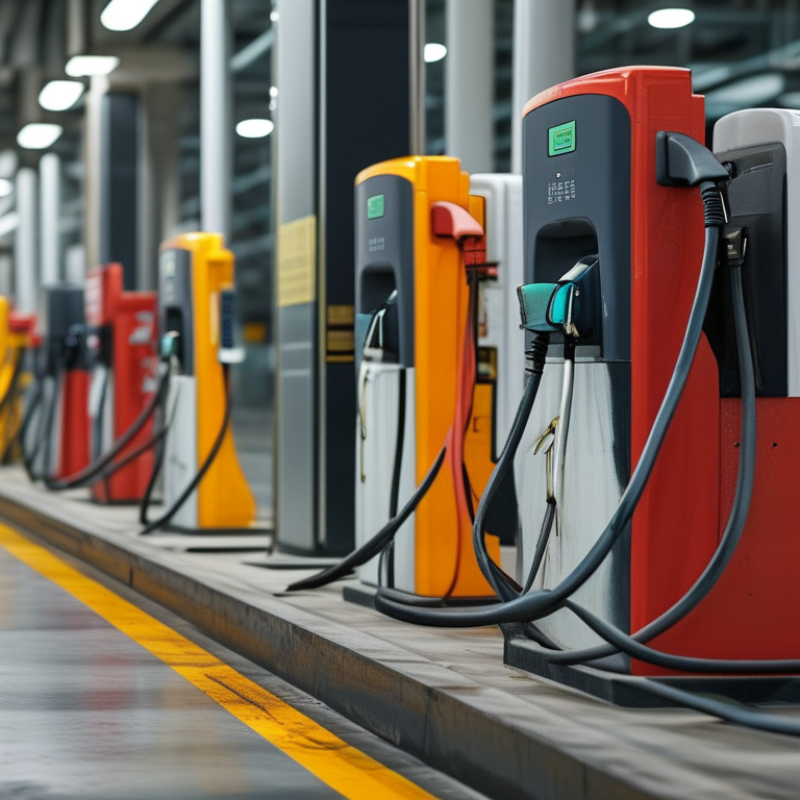
Many EV charging stations in China experience slow charging speeds due to several underlying factors. One significant reason is the variability in infrastructure quality. Some stations lack modern equipment, impacting the overall efficiency. Older charging units may not deliver the expected power output, which can lead to longer waiting times for users. This outdated technology can be frustrating for drivers looking for quick top-ups.
Another critical aspect is the demand-supply imbalance. High demand at popular locations often exceeds the available supply. When a station is crowded, drivers must wait longer, leading to a perception of sluggish charging. Additionally, factors like weather and grid limitations can also contribute to slower speeds. Extreme temperatures can affect battery performance, causing slower charging rates.
Miscommunication about charging status can create confusion. Users may think their vehicles are charging faster, but real-time monitoring is often lacking. This lack of transparency can lead to drivers feeling dissatisfied with their charging experience. The cumulative effect of infrastructure inadequacies, demand fluctuations, and communication gaps highlights the challenges faced by EV stations in providing prompt service.
This chart illustrates the average charging speeds at various electric vehicle (EV) charging stations in China. The data reflects how different locations experience varying speeds, which can be influenced by factors such as infrastructure, station type, and demand.
In China, the pace of electric vehicle (EV) charging varies significantly based on the type of charger used.
Fast chargers, often utilizing DC technology, can provide substantial power levels. Typically, these chargers can supply up to 250 kW, allowing vehicles to charge up to 80% in roughly 30 minutes. However, many EV stations still rely on Level 2 AC chargers that deliver only 7.2 kW to 22 kW. As a result, charging at these stations can take several hours, significantly slowing down overall charging times.
The infrastructure landscape in China further complicates charging experiences. According to a report from the China Electric Vehicle Charging Infrastructure Promotion Alliance, as of 2022, there were approximately 300,000 charging stations, but only around 20% were fast chargers. This discrepancy leads to congestion at stations with higher capabilities. It raises questions about whether the investment in infrastructure is aligned with the soaring number of EVs on the road.
Moreover, user behavior plays a role in charging speed. Many EV owners tend to start charging when their battery is low, leading to longer wait times at popular charging points. The high demand for fast charging outpaces supply, creating bottlenecks. As the market evolves, addressing both the quality and quantity of charging infrastructure is essential for improving user experience. The future of EV adoption in China hinges on faster, more reliable charging solutions.
In China, the rapid growth of electric vehicles (EVs) highlights significant infrastructure challenges. Many EV charging stations fail to provide efficient service. The design and layout of these stations often lack proper planning. This leads to congestion and long wait times for drivers, reducing overall charging speed.
Another issue is the variability in charging technology. Some stations are equipped with outdated chargers that deliver lower power. This difference can affect charging times significantly. Moreover, the demand exceeds supply in certain areas. Peak hours witness overwhelming queues, frustrating drivers who rely on these stations.
Location matters as well. Charging stations in remote areas may not meet the demand due to limited connectivity. Even if a station exists, access can be complicated. Poor signage can frustrate users trying to find the nearest charging point. These challenges indicate that improvements are essential for better EV adoption and efficiency in China.
User behavior plays a crucial role in the performance of EV charging stations in China. Many drivers often choose fast charging options to save time. However, the availability of high-power chargers is still limited. A report by the China Electric Vehicle Charging Infrastructure Promotion Alliance states that about 70% of charging stations are equipped with slower charging units.
The slow charging issue is exacerbated by the tendency of EV owners to arrive at stations with low battery levels. This can lead to longer wait times during peak usage, further complicating the user experience. Additionally, the lack of public awareness about optimal charging practices contributes to inefficiencies. Many users remain unaware that charging their vehicle overnight at home can reduce the need for fast charging.
**Tips:** Always plan your charging ahead. Use apps to find available stations and check their charging speeds. Consider charging during off-peak hours to avoid long lines. Educating yourself on your EV’s battery management system can make a significant difference, helping to improve the overall charging experience.
| Charging Station Location | Average Charging Speed (kW) | User Wait Time (minutes) | Peak Usage Hours | User Behavior Impact (Rating 1-5) |
|---|---|---|---|---|
| Urban Center A | 15 | 30 | 5 PM - 7 PM | 4 |
| Suburban Area B | 20 | 25 | 3 PM - 6 PM | 3 |
| Rural Area C | 10 | 40 | 12 PM - 2 PM | 2 |
| Commercial District D | 18 | 28 | 6 PM - 9 PM | 5 |
| Highway Rest Stop E | 25 | 15 | 10 AM - 4 PM | 4 |
The deployment of electric vehicle (EV) charging stations in China faces significant challenges due to government policies and regulations. A recent report from the China Electric Vehicle Charging Infrastructure Promotion Alliance highlights that approximately 30% of charging stations operate at suboptimal speeds. This discrepancy is often linked to local regulations that vary widely across provinces.
Some cities enforce strict requirements for land use and construction permits, limiting the installation of high-speed chargers. Battery swapping and rapid charging technologies are still subject to complex approval processes, resulting in delayed implementation. Additionally, the lack of standardized charging protocols further complicates consistency in charging speeds.
Tips: To improve your charging experience, consider planning your route around high-speed stations. Look for apps that track real-time availability and speeds of chargers. This can save you time and frustration. Awareness of local regulations can also help you understand potential delays in charging access.
Delayed infrastructure development may point to a need for policy reevaluation. Without streamlined regulations, broader adoption of EVs could stagnate. Efficient charging solutions are crucial for scaling up EV usage, benefiting both consumers and the environment.
: Many stations have outdated equipment that lacks efficiency.
High demand at popular locations often exceeds available supply, leading to crowding.
Extreme temperatures can reduce battery performance, slowing down the charging process.
Yes, miscommunication about charging status can confuse users about charging speeds.
Poor planning and layout at stations can cause congestion and delays.
Strict land use requirements can limit the installation of high-speed chargers.
Plan routes that prioritize high-speed stations and use apps for real-time updates.
Lack of standardization complicates consistency in charging speeds across stations.
Limited connectivity and poor signage can make accessing them difficult.
It could point to a need for reevaluating policies surrounding EV charging development.
The article "Why Are Some EV Charging Stations Slow in China?" explores several factors that contribute to the slow charging speeds experienced at electric vehicle (EV) stations across the country. One significant aspect is the comparison of different charger types, highlighting how variations in technology can dramatically impact charging rates. Furthermore, the article addresses infrastructure challenges that hinder charging efficiency, including power supply limitations and the distribution of charging stations.
User behavior also plays a crucial role, as the frequency and manner of use can affect station performance. Lastly, government policies and regulations shape the EV charging landscape, influencing the adoption of faster charging solutions. Together, these elements explain why EV charging stations are slow sometimes, presenting a multifaceted view of the current state of EV charging in China.

Amp Link Charger