The rise of electric vehicles (EVs) has transformed the automotive landscape. As EV adoption accelerates, the demand for efficient charging solutions grows. A notable trend is the emergence of chargers that serve multiple vehicles simultaneously. Understanding why some EV chargers support multiple vehicles is key to addressing these needs.
Recent studies indicate that by 2030, the number of EVs globally could reach over 250 million. This surge necessitates innovative infrastructure. Multi-vehicle chargers can improve charging efficiency and utilization rates. The International Energy Agency highlights that shared charging stations can reduce costs and enhance accessibility for users. This capability can ease the strain on existing power grids.
However, challenges remain. Not all multi-vehicle chargers are created equal. Some may not deliver optimal power management. Users should be wary of inconsistent charging speeds. As the industry evolves, ensuring functional and equitable charging solutions will be crucial. Exploring why some EV chargers support multiple vehicles reveals not only advancements in technology but also the importance of addressing limitations in the current infrastructure.
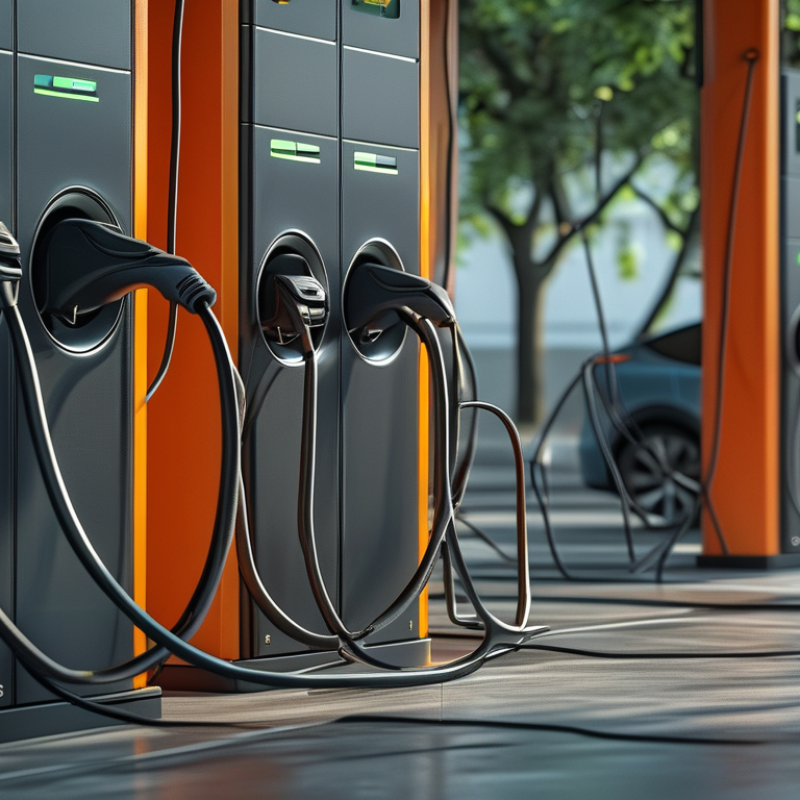
Multi-vehicle charging stations are rapidly gaining attention in the electric vehicle (EV) market. These charging hubs can accommodate multiple cars simultaneously, making them convenient for public use. They cater to diverse EV models and charging needs, promoting wider EV adoption. This feature is especially beneficial in urban areas where space is limited.
Charging technology supports varied vehicles through advanced connectors. Adaptable charging protocols ensure compatibility across brands. This flexibility allows EV owners to charge without brand constraints. However, standardization issues remain a challenge. Some chargers may not support newer models yet. This leads to reliance on outdated charging infrastructure.
User experience can vary greatly at multi-vehicle stations. High demand during peak hours can result in longer wait times. EV drivers often face the dilemma of choosing between a quick charge and availability. Addressing these issues requires ongoing development in charging technology and infrastructure. Collaboration between manufacturers and city planners is vital in creating a more reliable charging network.
As electric vehicle (EV) ownership rises, multi-vehicle chargability emerges as a crucial feature. Many households now own more than one EV. Multi-vehicle chargers cater to this trend, allowing simultaneous charging of different vehicles. This flexibility minimizes downtime for users, which is essential for efficient energy use.
According to industry reports, around 20% of U.S. households own multiple EVs. These families require charging solutions that are both practical and efficient. Multi-vehicle chargers can often accommodate various brands and models. This adaptability reduces the complexity of having separate chargers for each vehicle. It fosters a sense of convenience and reliability for users, as they can charge all cars in one go.
However, there are challenges that remain. Not all chargers support every vehicle type. Compatibility issues can lead to user frustration. Furthermore, the installation cost of multi-charging stations can deter some owners. While these systems provide advantages, they also require careful consideration of the home energy supply. Balancing performance with cost is key for many users navigating this evolving technology landscape.
The rising interest in electric vehicles (EVs) has driven innovations in charging technologies. Multi-vehicle EV chargers are transforming how users recharge their cars. A report from the International Energy Agency (IEA) indicates that by 2030, there could be up to 230 million electric cars globally. This surge places immense pressure on charging infrastructure.
Innovative technologies, such as advanced load management systems, enable chargers to accommodate multiple vehicles simultaneously. These systems optimize energy distribution, ensuring that cars receive the necessary power without overloading the grid. For example, a study highlighted that smart charging can cut energy costs by up to 30%. However, this technology is not without challenges; balancing energy loads amid peak consumption periods can lead to inefficiencies.
Reliability remains a critical concern. Data shows that about 25% of public chargers are not operational at any given time. This unreliability can deter potential EV users. Effective monitoring and regular maintenance are essential to enhance the attractiveness of multi-vehicle charging stations. The industry must continue to evolve. Despite these hurdles, embracing technological advancements offers a pathway to a more accessible and sustainable EV future.
As electric vehicle (EV) adoption surges, infrastructure must evolve. One key challenge is supporting multiple vehicles at charging stations. According to a report from the International Energy Agency (IEA), over 1.4 million public charging points were installed worldwide by the end of 2020. However, many of these stations cannot accommodate several vehicles simultaneously.
Grid capacity is often a limiting factor. Existing electrical grids may struggle to supply the necessary power for multiple fast chargers. This could lead to lengthy wait times at popular charging locations. A lack of real-time data sharing between chargers complicates the process, making it difficult for drivers to find available spots. In a survey, 40% of EV owners expressed frustration over charging infrastructure.
Solutions are emerging to address these challenges. Smart charging technology is one potential innovation. By dynamically adjusting power distribution, it can optimize usage among multiple vehicles. This approach not only reduces grid stress but also enhances user experience. In Norway, for instance, pilot projects demonstrated an increase in efficiency by 30% using these systems. While progress is being made, ongoing improvements in technology and infrastructure planning are crucial for seamless multi-vehicle charging.
As electric vehicle (EV) adoption grows, the need for efficient charging solutions becomes clearer. Multi-vehicle EV chargers are gaining traction. These chargers can serve several vehicles simultaneously. This setup enhances convenience for users, especially in urban areas where space is limited.
Looking ahead, future trends in multi-vehicle charging solutions promise exciting developments. Technological advancements could lead to faster charging times, making them more practical. Innovations, like smart charging systems, may optimize energy distribution based on vehicle needs. This could significantly reduce wait times, benefiting both users and grid stability.
However, challenges exist. Not all multi-vehicle chargers are equally efficient. Some may experience bottlenecks during peak usage. Educational efforts are essential to help users understand how to maximize these systems. Awareness of charging etiquette and scheduling is crucial. Reflecting on these aspects will help improve the overall EV charging experience.
| Charging Station Type | Number of Simultaneous Connections | Charging Power (kW) | Ideal For | Deployment Location |
|---|---|---|---|---|
| Level 2 AC Charger | 2 | 7.2 | Residential, Small Businesses | Home, Office Parking |
| DC Fast Charger | 1 | 50-350 | Highway Stops, Fleet Charging | Gas Stations, Rest Areas |
| Multi-Connector Charger | 4 | 22 | Public Charging | Shopping Malls, Airports |
| Wireless Charger | 1 | 10 | Slow Charging | Urban Areas |
: They're hubs that can charge multiple electric vehicles at once, catering to various models.
They promote electric vehicle adoption by providing convenience, particularly in urban areas with limited space.
They use advanced connectors and adaptable protocols for compatibility, allowing non-brand restricted charging.
Standardization issues persist, leading some chargers to struggle with newer vehicle models.
Demand during peak times can lead to longer wait times, forcing users to choose between speed and availability.
Innovations may lead to faster charging, smart systems, and better energy distribution.
No, some struggle during high traffic, causing bottlenecks and user frustrations.
Understanding charging etiquette can improve access and reduce wait times at busy stations.
They must collaborate with manufacturers to create a reliable and efficient charging network.
Identifying areas for improvement can lead to a better overall experience for all users.
The article titled "Why Do Some EV Chargers Support Multiple Vehicles?" delves into the emerging trend of multi-vehicle charging stations, which are designed to accommodate several electric vehicles (EVs) simultaneously. This technology offers significant benefits for EV owners, including increased convenience and reduced wait times at charging locations. The article explores the technological innovations that enable this capability, such as advanced charging management systems and smart grid integration.
Moreover, it addresses the challenges faced in developing multi-vehicle charging infrastructure, such as energy distribution and space constraints, while proposing viable solutions to enhance functionality. Looking forward, the article discusses future trends that are likely to shape multi-vehicle charging solutions, emphasizing the importance of adaptability to meet the growing demand for electric transportation. Overall, understanding "why some EV chargers support multiple vehicles" is crucial for navigating the future landscape of electric mobility.

Amp Link Charger