In the rapidly evolving world of electric vehicles (EVs), the importance of efficient charging cannot be overstated. As the adoption of EVs grows, it is crucial to understand how to maintain your EV charging equipment. Regular upkeep ensures optimal performance and longevity of your charging infrastructure. Neglecting maintenance could lead to diminished efficiency, increased costs, and safety issues.
Proper care involves more than just plugging in your EV. It requires knowledge of various components, from connectors to electrical systems. Dirt, moisture, and wear can all impact performance. For instance, dirty connectors may lead to poor electrical connections, slowing down your charging time. Regular inspections are essential.
Many owners overlook minor issues until they escalate. Identifying problems early can save you time and money. To truly harness the benefits of electric mobility, understanding how to maintain your EV charging equipment is key. With the right practices and awareness, you can enjoy a seamless driving experience, fully powered by reliable charging solutions.
Understanding the Basics of EV Charging Equipment Maintenance
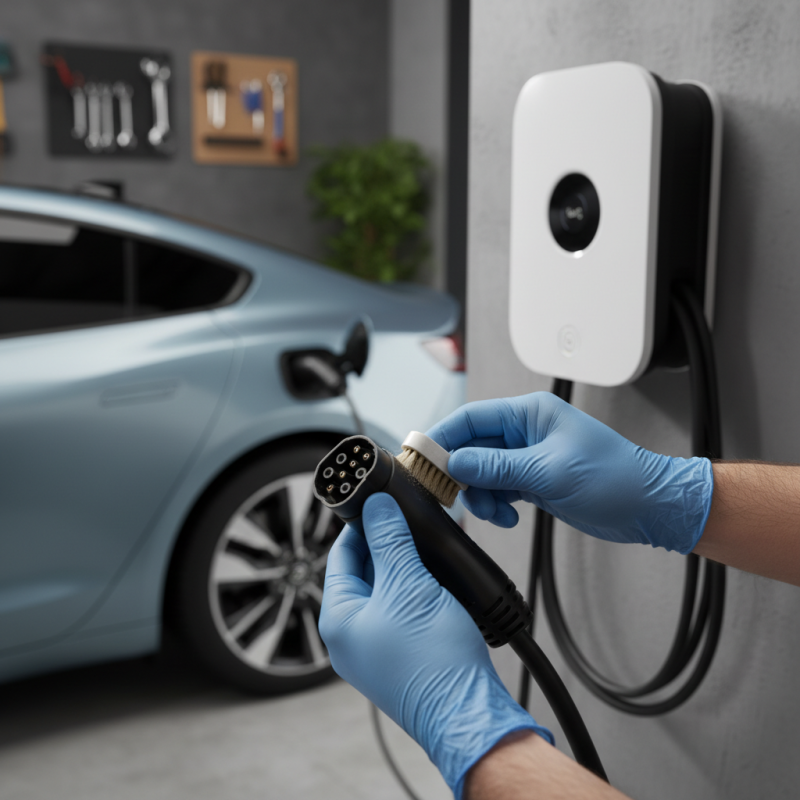
Maintaining your EV charging equipment is crucial for efficiency and longevity. Many users overlook this aspect, leading to potential performance issues. Regular inspections can identify wear and tear before they escalate. Check the cables and connectors for any signs of damage. It’s essential to keep them clean and free from debris.
Environmental conditions impact charging equipment. Moisture can cause corrosion, while extreme temperatures can affect functionality. Store equipment in a cool, dry place when not in use. Consider using protective covers to shield from the elements. It may seem trivial, but neglecting these details can lead to failure.
Calibration is another vital aspect of maintenance. Inaccurate readings can result from outdated settings. Regularly recalibrate your charger to ensure precision. Seek professional help if unsure about the process. A thorough understanding of your equipment enhances reliability. Engaging with experts can provide insights into subtle care practices that make a difference.
Regular Inspection Procedures for EV Charging Stations
Regular inspections are crucial for maintaining EV charging stations. These procedures ensure the equipment remains functional and safe. Start by visually checking the charging units for any signs of wear or damage. Look for cracks, corrosion, or loose cables that could indicate a problem. It’s essential to keep the area around the chargers free of debris and hazards. Regular cleaning can enhance performance and extend the lifespan of the equipment.
Next, conduct thorough electrical inspections. Use a multimeter to measure voltage and current levels at the charging points. This will help you identify any irregularities in performance. Check all connections for tightness and corrosion. Replace any defective components immediately. It’s also wise to review the software updates for the charging station systems. Outdated software can lead to malfunctions.
Documentation of inspections is necessary. Create a log of each inspection detailing any issues found and resolved. If a problem persists, consult with a qualified technician. Regularly scheduled inspections help reduce downtime and maintain reliability. However, it’s easy to overlook these details. Allowing minor issues to fester can lead to major failures later on. It’s important to develop a habit of thorough checks.
Common Issues and Troubleshooting Tips for Optimal Charging Efficiency
To ensure your EV charging equipment runs smoothly, it’s essential to recognize common issues that may arise. Over time, connectors and cables can wear out. Inspect them regularly for signs of wear, fraying, or corrosion. If you notice any damage, replace the parts to maintain efficiency. Charging speed may slow down due to poor connections, so cleaning the connectors with a soft cloth can help restore optimal performance.
Another common issue is power fluctuation. Make sure the outlet you are using is stable. An unstable power supply may lead to incomplete charging. If you frequently experience this problem, consider consulting a professional electrician. They can assess your home’s electrical system and recommend suitable upgrades.
Temperature extremes can also affect charging efficiency. In cold weather, batteries charge slower, and in very hot conditions, batteries can overheat. Park your EV in a shaded or temperature-controlled environment whenever possible to mitigate these effects. Monitoring these details can enhance your charging experience significantly. Reflecting on these troubleshooting tips can lead to better performance and potentially prolong your equipment’s lifespan.
Best Practices for Keeping Charging Stations Clean and Operational
Keeping your EV charging stations clean is vital for performance. Regularly wipe down the charging ports, connectors, and surrounding areas. Dust and debris can cause interference and reduce efficiency. Sensors and displays also need attention. Use a soft, damp cloth for cleaning, ensuring no liquids enter the electronics.
Inspecting the equipment is equally important. Look for wear and tear on cables and connectors. Any fraying or exposed wiring should be addressed immediately. Over time, charging stations can accumulate grime that may affect functionality. Maintain a schedule for more in-depth inspections. Keeping a log of maintenance checks can help track issues before they escalate.
Environmental factors play a role in the maintenance of charging stations. Outdoor units may be exposed to weather elements that could affect performance. Consider adding protective covers or enclosures for units exposed to heavy rain or sun. Regularly assess the placement of your stations; accessibility can decline as landscaping grows. These checks ensure that stations remain operational and customer-friendly.
How to Maintain Your EV Charging Equipment for Optimal Performance?
| Maintenance Task |
Frequency |
Tools Required |
Best Practices |
| Inspect Charging Cables |
Monthly |
Visual Checklist |
Look for signs of wear or damage |
| Clean Charging Station |
Weekly |
Mild detergent, Soft cloth |
Avoid harsh chemicals; wipe surface thoroughly |
| Check Electrical Connections |
Quarterly |
Multimeter |
Ensure tight connections and no corrosion |
| Update Software/Firmware |
As Needed |
Computer, Internet Access |
Follow manufacturer guidelines for updates |
| Monitor Usage Statistics |
Monthly |
Data Analytics Tool |
Adjust capacity and service based on data |
The Importance of Software Updates in EV Charging Equipment Maintenance
Maintaining EV charging equipment is critical for optimal performance. One key aspect often overlooked is the importance of software updates. Keeping software current ensures your charging station operates efficiently and safely. Regular updates help integrate new features and enhance connectivity.
Tips for maintaining your EV charging equipment include scheduling updates regularly. Check the manufacturer’s website for firmware releases. Ignoring updates may leave your equipment vulnerable. Additionally, enable automatic updates if possible. This feature minimizes the risk of missing crucial enhancements.
Another tip is to monitor performance metrics after updates. Are you noticing any improvements or issues? Collecting this data can help identify areas for further investigation. Regular checks can prevent minor issues from becoming major problems. It’s essential to remain proactive in your maintenance approach.
Conclusion
In the article titled "How to Maintain Your EV Charging Equipment for Optimal Performance," essential strategies for ensuring the efficiency and longevity of EV charging stations are discussed. The maintenance process begins with understanding the basics of EV charging equipment, which includes regular inspection procedures that help identify potential issues before they escalate. Common problems that arise during charging, along with troubleshooting tips, are highlighted to aid in maintaining optimal charging efficiency.
Additionally, best practices for keeping the charging stations clean and operational are emphasized, as cleanliness can significantly affect performance. Lastly, the importance of software updates is underscored, as these updates can enhance functionality and security. To summarize, knowing **how to maintain your EV charging equipment** is crucial for maximizing performance and minimizing downtime.

 Amp Link Charger