As the electric vehicle market rapidly expands, many homeowners are considering "how to install an EV charger at home." According to a recent report by the International Energy Agency, the global electric vehicle stock reached over 10 million cars in 2020, a significant milestone that highlights the growing need for home charging solutions. Industry experts predict that by 2030, this number will triple, making effective and safe installation methods essential.
John Smith, a leading expert in energy management, emphasizes the importance of proper installation: “A well-installed EV charger not only ensures safety but enhances the charging efficiency.” However, the process can be challenging. Many homeowners may overlook critical safety measures, leading to potential hazards. It's important to consider the local electrical system and necessary permits, which can be a daunting task for those unfamiliar with the process.
Despite these challenges, the demand for home EV chargers cannot be ignored. Consumers frequently seek guidance on this topic, yet many still have misconceptions about costs and procedures. Addressing these issues is vital for ensuring a smooth installation experience. Understanding how to install an EV charger at home requires both knowledge and careful planning, making it imperative to consult professionals when needed.
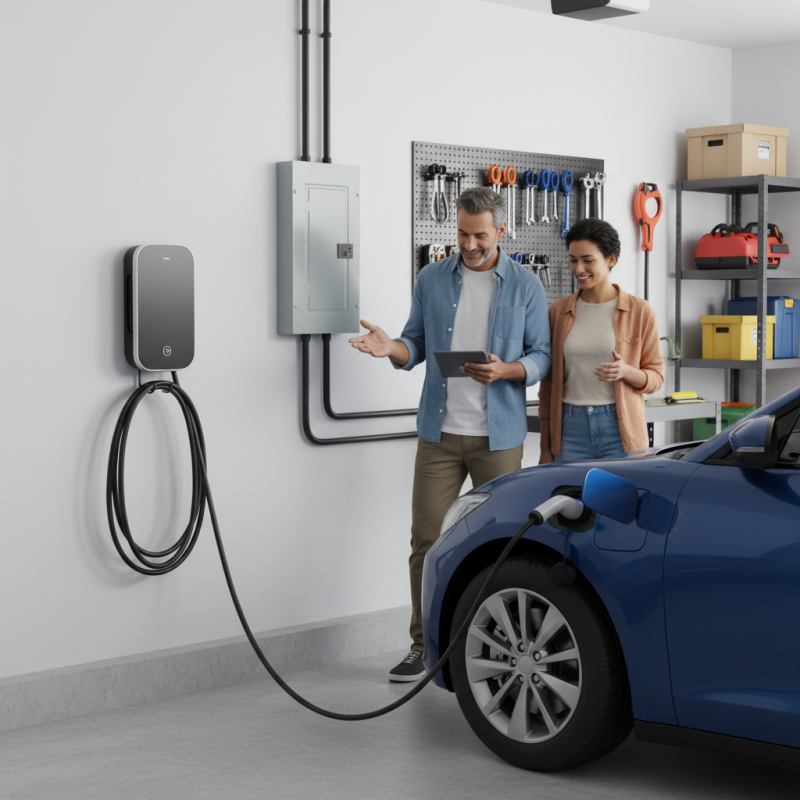
When considering installing an EV charger at home, it's essential to understand the different types available. Level 1 chargers use a standard household outlet. They are easy to set up but can be slow, providing about 4 to 5 miles of range per hour. This option is better for those with shorter commutes.
Level 2 chargers are more advanced. They require a dedicated circuit and can deliver 10 to 60 miles of range per hour. This is ideal for daily drivers or anyone who needs a quick charge. However, installation can be more complex and often requires professional help.
DC fast chargers, while less common for residential use, can recharge an EV to 80% in around 30 minutes. They're expensive and need significant electrical infrastructure. Many homeowners find them unnecessary for daily use. It's crucial to assess your driving habits, availability of power sources, and installation costs before making a decision. Evaluate whether you truly need the fastest charging option or if a slower, more practical solution fits your lifestyle.
When installing an EV charger at home, evaluating your electrical system is crucial. Understanding your home's wiring and capacity can prevent potential hazards. Many homes have outdated electrical systems that may not support the extra demand of EV chargers.
Before you start, check your circuit panel. It should have enough amperage for the charger. Inspect the condition of your wiring too. Old or frayed wires may not handle increased electricity safely. Consider hiring an electrician for a thorough inspection. This ensures you meet safety standards and local codes.
Tips: Always look for signs of electrical wear. Flickering lights or frequent breaker trips can indicate issues. Trust your instincts—if something seems wrong, it often is. Regular maintenance can keep your system safe and efficient. Remember, safety comes first when dealing with electricity.
Finding the right location for your EV charger installation is crucial. Consider where you park your vehicle most frequently. Ideally, place the charger close to your parking area. This reduces cable length and minimizes trip hazards. A well-chosen spot can also enhance convenience during charging.
Assess the type of charging you plan to do. If you need faster charging, a location near your electrical panel may be best. However, think about the aesthetics of your space. An EV charger should blend seamlessly with your home's exterior. Additionally, ensure the spot is sheltered from harsh weather. This protects the charger and extends its life.
Lighting is another factor to consider. A well-lit area enhances safety during nighttime charging. If the spot seems dark, consider adding outdoor lights. Remember, a good location is not just about practicality. It should complement your lifestyle and home layout. Reflect on how often you will use it and make the best choice for your needs.
Installing an EV charger at home can seem daunting, but breaking it down into manageable steps will ease the process. According to a 2022 industry report, almost 80% of electric vehicle (EV) owners charge their cars at home. This statistic underscores the importance of a safe and effective installation. Before starting, assess your electrical system. A licensed electrician should examine your wiring. Ensure it can support the added load of an EV charger. This is crucial for safety and efficiency.
Next, consider the location. Choose a spot close to your parking area, ideally near your main electrical panel. There should be ample space to install the charger without obstruction. Research shows that proper placement can enhance the charging speed by up to 20%. Installing the charger outdoors requires weatherproof equipment to avoid damage. Pay close attention to local building codes and regulations. Different regions have specific requirements, and overlooking these can lead to costly mistakes.
As you proceed, don’t rush the installation. Calibration and testing are essential to avoid future malfunctions. Improper installation can lead to overheating or electrical issues. In fact, a report by the National Fire Protection Association indicated that poorly installed EV chargers contributed to 12% of related fire incidents. After installation, regularly inspect the unit for wear and tear. Even small cracks in the casing can lead to bigger issues later on.
Installing an EV charger at home can be straightforward, but safety is paramount. According to the U.S. Department of Energy, improper installations can lead to significant electric hazards. It is essential to hire a qualified electrician. Ensure they follow local electrical codes and are familiar with EV charging standards. This is critical for safety and efficiency.
When selecting a location for the charger, keep it away from water sources and provide adequate ventilation. Poor ventilation can cause overheating. Regular maintenance is crucial. Check for any visible wear on cables and connectors. This can prevent potentially dangerous malfunctions. Every few months, clean the charging port to remove dust or debris.
Tips: Always use a dedicated circuit for your EV charger. Overloading a circuit can lead to tripped breakers or worse, electrical fires. Consider installing a surge protector to safeguard against voltage spikes. Keep the area well-lit to avoid accidents while charging at night. Every step counts toward a safer charging experience.
| Aspect | Details |
|---|---|
| Installation Location | Choose a dry, accessible area with enough space for parking. |
| Electrical Requirements | Ensure a dedicated circuit with appropriate amperage based on charger specifications. |
| Safety Precaution 1 | Turn off the power supply before installation to prevent electrical shock. |
| Safety Precaution 2 | Use appropriate personal protective equipment (PPE) during the installation process. |
| Maintenance Tip 1 | Regularly inspect cables and connectors for any signs of wear or damage. |
| Maintenance Tip 2 | Clean the charger periodically to remove dust and debris. |
| Indicator Lights | Familiarize yourself with indicator lights for operational status and troubleshooting. |
| User Manual | Always refer to the user manual for specific installation and maintenance instructions. |
: A Level 1 charger uses a normal household outlet. It offers about 4 to 5 miles of range per hour.
It's ideal for those with shorter commutes. They are easy to install and require no special equipment.
Level 2 chargers are faster, providing 10 to 60 miles of range per hour. They need a dedicated circuit and professional installation.
DC fast chargers can recharge an EV to 80% in about 30 minutes. However, they are expensive and not always necessary for daily use.
Proper placement is crucial. A location near your parking area improves charging speed. Avoid obstructions for best results.
Assess your electrical system first. Hire a licensed electrician to ensure the wiring can handle the added load safely.
Rushing the process is a mistake. Calibration and testing ensure proper function, avoiding overheating and electrical issues.
Each region has specific requirements. Ignoring these can lead to costly mistakes and safety hazards during installation.
Regular inspections help. Look for small cracks in the casing, as they can indicate bigger problems if not addressed.
Almost 80% of EV owners charge their cars at home. This emphasizes the need for safe and effective installation.
When considering how to install an EV charger at home, it’s essential to start by understanding the different types of chargers available and their suitability for residential use. Assessing your home's electrical system is a crucial step to ensure that it can handle the additional load of an EV charger. Next, selecting the ideal location for installation will involve considering factors such as accessibility and proximity to your vehicle’s parking space.
Once you’ve evaluated these aspects, you can follow a step-by-step guide for a safe installation process. This includes disconnecting power during installation, securely mounting the charger, and verifying connections. Finally, remember to implement safety precautions and routine maintenance tips to ensure the longevity and safe operation of your EV charger. By addressing these considerations, homeowners can successfully learn how to install an EV charger at home efficiently and safely.

Amp Link Charger