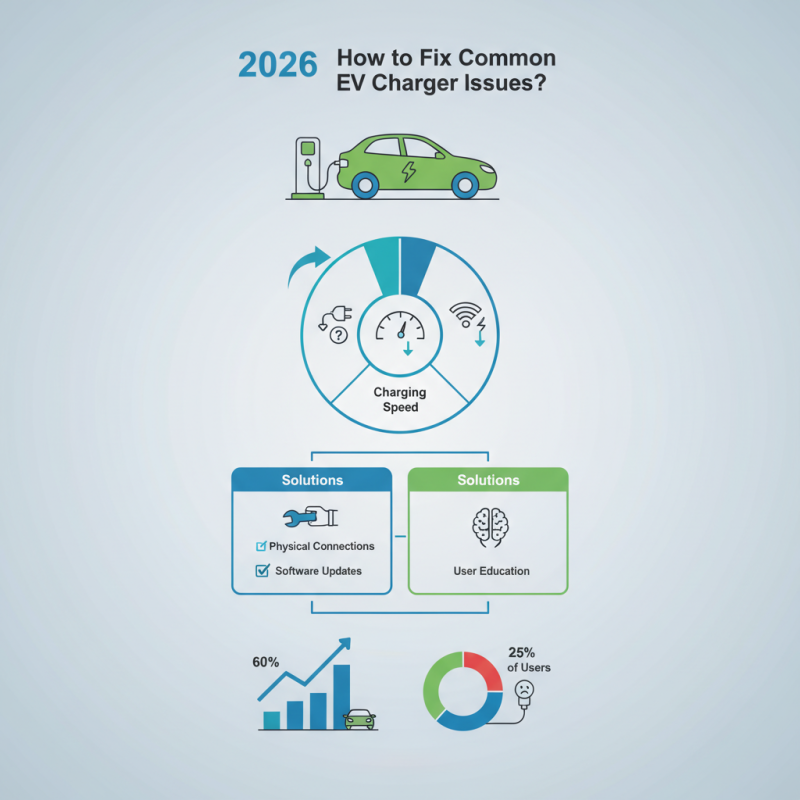
Electric vehicles (EVs) are becoming increasingly popular. As the number of EVs on the road rises, so do the issues associated with EV chargers. According to a report by the International Energy Agency (IEA), global EV sales surged by 60% in 2021. This trend highlights the need for efficient troubleshooting of charging issues. The pressing question is: "What are common EV charger troubleshooting issues?"
Expert Jay Hargrove, a leading figure in the EV industry, notes, “Understanding common issues with EV chargers can significantly enhance user experience.” Common problems include compatibility, charging speed, and connectivity issues. Many users face these challenges, which can lead to frustration. Data from the Electric Power Research Institute (EPRI) indicates that 25% of EV owners report problems with their chargers within the first year of usage.
Addressing these issues is crucial. Many solutions are available, yet users often overlook the basics. For instance, ensuring proper connections and inspecting the software can resolve many common problems. However, awareness of these essential practices remains low. The landscape of EV charging is complex, and ongoing education is essential for both consumers and technicians.
Electric vehicle (EV) chargers are essential for maintaining your car’s battery. However, users often encounter issues. One common problem is insufficient power delivery. This can be caused by a faulty charger or inadequate wiring. Regularly inspecting connections can help identify these issues early.
Another frequent concern is compatibility. Not all chargers work with every vehicle model. Ensure you understand the specifications of your charger and vehicle. When in doubt, consult an expert to avoid frustrations. A mismatched charger could damage your EV or reduce efficiency.
Lastly, keep an eye on error messages. Many chargers provide diagnostic feedback. Ignoring these alerts might result in bigger problems. Approach troubleshooting with a mindset of curiosity. Small issues can often lead to deeper insights about your charging habits. Understanding these common challenges can enhance your overall experience with EV charging.
EV chargers play a crucial role in maintaining the efficiency of electric vehicles. When these chargers act up, it can be frustrating. Common issues include poor connection, inconsistent power supply, and faulty cables. Identifying these problems early can save time and expense.
Poor connection is often the first symptom. Check the plug and socket for any debris. Physical damage can also hinder performance. Additionally, if the charger isn’t sending power, it might be an internal fault. A simple reset or checking the power source could resolve this.
Cables may show wear over time. Look for fraying or exposed wires. Inconsistent charging may stem from temperature fluctuations. If the charger heats up too much, it could shut down. Regular troubleshooting can help pinpoint these issues. It’s essential to stay attentive and proactive in maintaining these systems. Lack of vigilance can lead to larger problems down the road.
When facing EV charger malfunctions, it's essential to troubleshoot effectively. Start by checking the power source. Ensure that your outlet or charging station is functioning. A blown fuse or tripped circuit breaker could be the culprit. If the charger is connected to a power strip, bypass it to rule out any issues. Sometimes the simplest checks reveal the biggest problems.
Once you confirm the power supply, examine the charger itself. Look for any visible damage or loose connections. A frayed cable or a cracked casing can lead to performance issues. Cleansing the charging port is crucial too; dirt can impede connections. If the charger still doesn’t work, consult the user manual for specific error codes or issue descriptions. These codes often provide insight into the problem.
While troubleshooting, it’s important to reflect on user habits. Over-reliance on one charging station could lead to wear and tear. Regular checks can prevent future malfunctions. If problems persist, seeking professional assistance might be necessary. This ensures the reliability and safety of your EV equipment. Remember, a well-maintained charger can offer peace of mind during your travels.
Electric Vehicle (EV) chargers are essential for the growing number of electric car users. However, common issues can hinder performance. Implementing preventive measures is vital to ensure charger reliability and safety. A report from the International Energy Agency suggests that public chargers can experience downtime rates up to 20%. This highlights the need for regular maintenance.
Regular inspections are crucial. Check cables and connectors for wear and damage. Inspect connections for corrosion, which can affect conductivity and lead to inefficient charging. Clean the charging ports diligently to prevent dirt or debris buildup. Each minor detail affects overall performance.
Tips: Schedule a quarterly check-up for your chargers. Monitor energy consumption; unexpected spikes may indicate underlying issues. Lastly, educate users on correct plug-in technique to avoid damage. Awareness in handling chargers can lead to significant performance improvement.
When it comes to dealing with EV charger repairs, knowing when to seek professional help is crucial. If you encounter issues such as an error message on the charging screen or unusual noises coming from the unit, it’s best not to ignore them. These signs can indicate deeper problems that might worsen over time. Handling these issues without expertise could lead to potential hazards.
Tips: Regularly check the charger’s connections. Inspect for any loose or damaged cables. A secure connection ensures optimal charging performance. If your charger frequently trips the circuit breaker, seek a technician immediately. This issue may indicate wiring complications or other underlying electrical concerns.
Sometimes, chargers overheat during use. If yours starts to feel excessively hot, it's important to turn it off right away. Heat can lead to permanent damage. Call a professional for a thorough inspection. Ignoring this could result in costly repairs or safety hazards. Trust your instincts; if something feels off, it’s always better to seek expert advice.
: Insufficient power delivery is a common issue, often due to faulty chargers or wiring problems.
It's important to understand the specifications of your charger. Consult an expert if unsure.
Don't ignore error messages. Investigate them to prevent bigger issues down the line.
Regular inspections are key. A quarterly check-up can help maintain your charger's performance.
Corrosion on connections and dirt in charging ports can lead to inefficient charging.
Educate yourself on the correct way to plug in and handle the charger properly.
They may signal underlying issues with your charger or vehicle.
Regularly check cables for wear, clean ports, and confirm connections are secure.
Yes, implementing preventive measures can enhance reliability and safety.
It helps identify potential problems early, preventing costly future repairs or inefficiencies.
In the realm of electric vehicle (EV) charging, understanding common EV charger troubleshooting issues is essential for ensuring optimal performance. Common problems can range from faulty connections and power supply issues to incompatible charging equipment. Identifying these issues is the first step in addressing them effectively.
When it comes to troubleshooting, there are several steps that users can take, such as checking the power source, inspecting cables for damage, and ensuring the charger is compatible with their vehicle. Preventive measures, including regular maintenance and monitoring charger performance, can significantly reduce the chances of malfunctions. However, some issues may require professional help, especially when they involve complex electrical faults or safety concerns. Overall, being informed about these aspects can enhance the EV charging experience and prolong the lifecycle of the charging equipment.

Amp Link Charger