How EV charger connectivity affects monitoring is not an abstract network question. It determines whether an operator sees a fault while a driver is still waiting beside a silent charger. A connected station can report its status, session errors, power delivery, and communication failures to a central platform. Teams can then compare alerts with maintenance records and act before a small fault becomes a repeated customer problem.
Nick Nigro, founder of Atlas Public Policy and an analyst of transportation and energy systems, offers a useful policy perspective on the infrastructure behind electrification. The line below is an editorial summary, not a verbatim quote from him: “Charging data matters when it helps operators restore service and drivers find a working plug.” That distinction matters. A dashboard full of green icons can still miss intermittent failures, weak cellular coverage, or confusing fault codes. Connectivity improves visibility, but it does not guarantee accurate diagnosis.
The strongest monitoring systems connect charger telemetry with practical action. They timestamp faults, show whether a unit is online, and help technicians identify patterns across locations. A depot manager might spot one charger repeatedly dropping its connection after heavy rain. A network operator might detect rising payment errors across several sites. Small clues add up. Still, alerts can be noisy, and remote checks cannot replace every on-site inspection. The seven approaches explored here focus on making connected monitoring more timely, useful, and dependable.
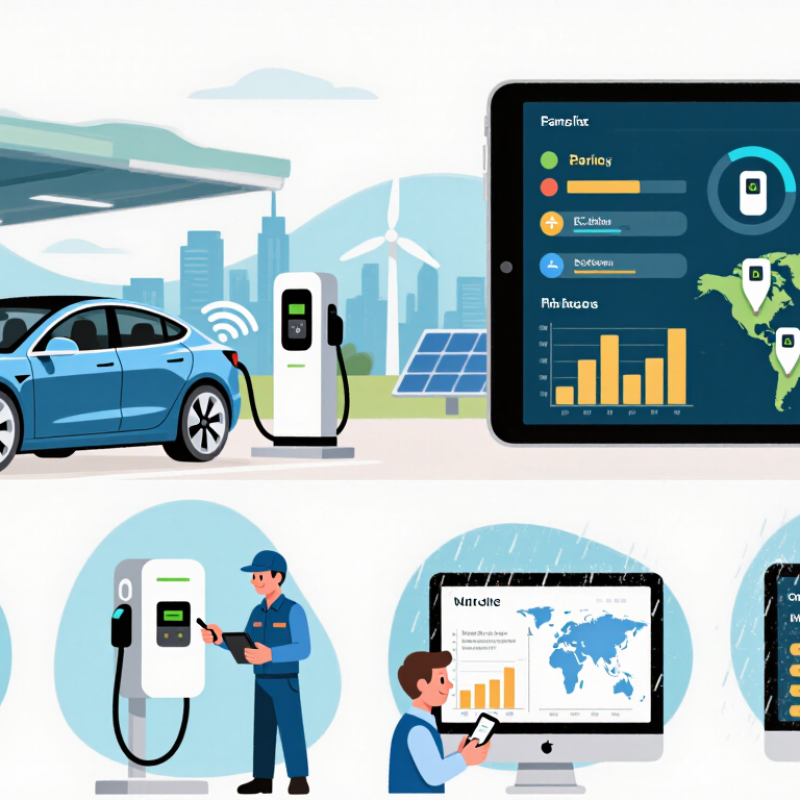
An EV charger becomes monitorable when its controller sends operating data through a network connection to a central platform. Typical records include connector status, energy delivered, session times, and fault codes. Cellular, Ethernet, or Wi-Fi can carry these messages, depending on site conditions. A dashboard turns separate signals into a live view of chargers across a depot, car park, or roadside location.
This link helps teams spot problems earlier. If a unit reports repeated failed starts or unusually long sessions, staff can compare its data with nearby chargers and decide whether to inspect it. Alerts that include a charger ID, timestamp, and error code make work orders more useful than a vague “offline” notice. Signals can lag. In weak-signal locations, chargers may store readings locally and upload them after reconnecting, but delayed data should not be mistaken for live status.
Reliable monitoring also depends on clear device identities, consistent timestamps, and protected data transmission. Operators should test what happens during a network outage, not only when every signal is strong. A missing reading might indicate a communications fault, power loss, or sensor issue; a dashboard cannot always identify the cause. That limitation deserves attention. Connectivity improves visibility, but technicians still need context and occasional on-site checks.
A connected charger can report whether it is available, occupied, charging, or offline, instead of leaving drivers to guess at a dark screen. Short status updates help an operations team spot a unit that stopped sending data before the morning rush. A dashboard can show the last heartbeat, active sessions, and recent error codes beside each charger. That matters. If one stall repeatedly drops its connection, staff can compare timestamps with power interruptions or weak cellular coverage, rather than assuming every failed session means hardware trouble.
Fault detection works best when telemetry is specific and timely. A charger may flag a connector temperature warning, a failed handshake, or repeated session timeouts. The system can route an alert to the right technician and preserve event history for diagnosis. This reduces blind site visits, though it does not eliminate them. Networks can lag, sensors can misread, and an “online” status does not prove a car can charge. Not always. Teams should verify alerts against charger logs and occasional on-site checks, then adjust thresholds as real operating patterns emerge. Clear timestamps and plain-language fault descriptions help technicians and site managers act with confidence.
A connected EV charger can send operating data to a monitoring team while it is still in service. If a connector overheats, a payment session fails, or a unit repeatedly resets, alerts can point staff toward the affected charger. That matters. Technicians can review error codes, temperature readings, and restart times before driving to the site. For example, repeated voltage dips may suggest a power supply issue rather than a damaged charging cable. Remote checks do not prove the cause, but they can narrow the search.
Better diagnosis helps teams group service visits, bring likely replacement parts, and reduce time spent investigating on site. A reset may resolve a temporary software fault; recurring failures need hands-on inspection. Service records can show whether an issue follows one charger, a busy period, or a wider site pattern. Connectivity has limits. Weak cellular coverage can delay alerts, and incomplete data can mislead. Monitoring works best when staff verify remote findings and keep maintenance records current. Sometimes the data is incomplete. That should be stated, not hidden.
7 Best Ways Connectivity Improves EV Charger Monitoring
Usage, Energy, and Performance Data Analysis
Connected chargers turn everyday sessions into useful operational data. Operators can see when charging begins, how long vehicles stay plugged in, and how much energy each session delivers. A clear hourly view may reveal a rush after work and quiet chargers before noon. Patterns matter. Comparing usage across locations helps teams spot underused units and busy sites that may need attention. Still, a dashboard cannot explain every change; local events and driver habits also shape demand.
Energy readings help teams compare power delivered with charger availability and identify unusual shifts. Performance data, such as connection interruptions or repeated session failures, can help narrow down problems before a site visit. For example, several failed sessions at one unit deserve a closer look. No data stream is perfect. A delayed or missing reading can lead to the wrong conclusion, so teams should check timestamps and compare records with on-site observations.
Tips: Review usage by hour and location, not just monthly totals. Check energy readings against session records. When performance drops, note the time, weather, and visible equipment condition before deciding what caused it. A simple log can reveal gaps in the data, too.
Networked control turns charger monitoring into a live operating tool. A remote dashboard can show whether a unit is available, charging, or reporting a fault. If a payment reader fails, an operator can spot the alert and dispatch support before drivers queue at a silent screen. The International Energy Agency’s Global EV Outlook 2024 reported more than four million public charging points worldwide at the end of 2023, with annual additions nearly 40% above 2022. More sites mean more status signals to manage. Small signals matter.
Alerts are useful only when they lead to action. A field study by Rempel and colleagues, published in Transportation Research Record, tested 657 public fast-charging connectors in the San Francisco Bay Area; about 73% were functional during testing. Remote diagnostics can help teams identify recurring faults, compare outage duration, and check whether a repair restored service. Security controls matter too. Encrypted connections, role-based access, and recorded software changes reduce the risk of unauthorized control. Still, a dashboard cannot confirm every cable, screen, or connector is physically usable. Teams need occasional on-site checks, and alert thresholds may need adjustment; too many false alarms can teach staff to ignore them.
| Connectivity improvement | What the system can monitor | Example alert or control | Operational benefit | Security and reliability practice |
|---|---|---|---|---|
| 1. Live charger status | Connection state, charging state, and fault or availability status reported by the charger. | Notify an operator when a charger becomes unavailable or reports a fault. | Helps operators identify service issues without visiting each unit. | Use authenticated connections and record status changes for troubleshooting. |
| 2. Remote diagnostics | Diagnostic codes, communication errors, and charger-reported operating information. | Send a maintenance alert when repeated faults or communication failures are detected. | Supports triage and can help technicians prepare before a site visit. | Limit diagnostic access to authorized roles and retain logs according to policy. |
| 3. Session and energy reporting | Charging-session start and stop events, energy delivered, and session duration where supported. | Flag incomplete session records or unusual changes in session activity for review. | Improves operational reporting and helps reconcile charger activity with site records. | Protect session data in transit and restrict access to information that could identify users. |
| 4. Remote configuration and control | Configuration status and the result of supported remote operations. | Apply an authorized configuration change or request a remote restart when the charger and system support it. | Can reduce the need for on-site intervention for supported tasks. | Require role-based authorization, log every command, and verify its result. |
| 5. Load and site coordination | Charger power demand and, when integrated, site-level electrical measurements or power limits. | Adjust charging limits within configured site constraints when supported by the system. | Enables coordinated charging and helps operators monitor demand against site limits. | Use validated limits and fail-safe behavior if communication with the control system is lost. |
| 6. Fleet-wide alerts and history | Events across connected chargers, including availability changes, fault reports, and communication interruptions. | Route alerts by severity and keep an event history for follow-up. | Helps teams prioritize work and identify recurring issues across sites. | Set clear escalation rules and protect alert accounts with strong authentication. |
| 7. Security and connectivity oversight | Connection health, access events, and supported security or configuration status information. | Alert on unexpected loss of connectivity or access activity that requires investigation. | Makes communication and access issues more visible to operations and security teams. | Use network segmentation, encrypted communications, timely updates, and unique credentials where supported. |
Monitoring details and remote controls vary by charger model, network connection, and management-system capabilities.
It can report whether a charger is available, occupied, charging, or offline. A recent heartbeat helps staff spot a unit that stopped sending data.
Alerts can flag connector heat, failed handshakes, or repeated session timeouts. They can direct the right technician and preserve event history. Less guesswork.
No. Networks can lag, and sensors can misread. Teams should compare alerts with charger logs and occasional on-site checks.
Hourly records may show a rush after work and quiet stalls before noon. Comparing locations can highlight busy sites or underused chargers.
Teams can compare energy delivered with session records and charger availability. A sudden change deserves a closer look, but one reading may not explain the cause.
Review timestamps, error codes, and connection interruptions. Note the weather and visible equipment condition before deciding what caused the problem.
It can reduce unnecessary visits, but it cannot eliminate them. Missing readings may mislead us, so an occasional physical check still matters.
Review usage by hour and location, not only monthly totals. Keep a simple log of gaps and observations. It may be imperfect, but patterns can emerge.
Connectivity links EV chargers to monitoring systems, allowing operators to see whether chargers are available, actively charging, or experiencing a fault. This steady flow of status information supports quicker fault detection and helps teams respond before minor issues cause extended interruptions. How EV charger connectivity affects monitoring is especially clear when problems can be identified remotely: technicians may review diagnostic information, narrow down likely causes, and plan maintenance more efficiently, reducing unnecessary site visits and downtime.
Connected monitoring also brings charger usage, energy consumption, and performance data together for analysis. These insights can help operators understand demand, spot recurring inefficiencies, and make better-informed decisions about maintenance and capacity. Networked controls and configurable alerts provide another layer of oversight, enabling timely notifications and coordinated management of chargers. When supported by appropriate security practices, connectivity makes monitoring more responsive, organized, and useful across an EV charging network.

Amp Link Charger