How to Find Reliable Public EV Chargers for Your Needs?

Time:2026-07-21 Author:Charlotte
0%

As the adoption of electric vehicles (EVs) accelerates, understanding how to find reliable public EV chargers becomes crucial for drivers. According to a report by the International Energy Agency (IEA), global EV sales reached 6.6 million units in 2021, a trend expected to grow. However, the infrastructure for charging is still catching up, with the same report highlighting that there were only 2.3 million publicly accessible chargers worldwide.

Finding the right charging station can be a challenge. Not all chargers are created equal; some may be outdated or poorly maintained. A recent study indicated that 30% of EV drivers experienced issues with non-functional chargers during their travels. This illustrates the importance of selecting dependable charging points.

Additionally, as you navigate your charging options, local and national initiatives are improving accessibility. However, users must remain cautious and informed. Utilizing apps and websites that provide real-time data on charger availability and status is a practical approach. By following these guidelines, electric vehicle owners can enhance their charging experiences, ultimately fostering greater confidence in this evolving technology.
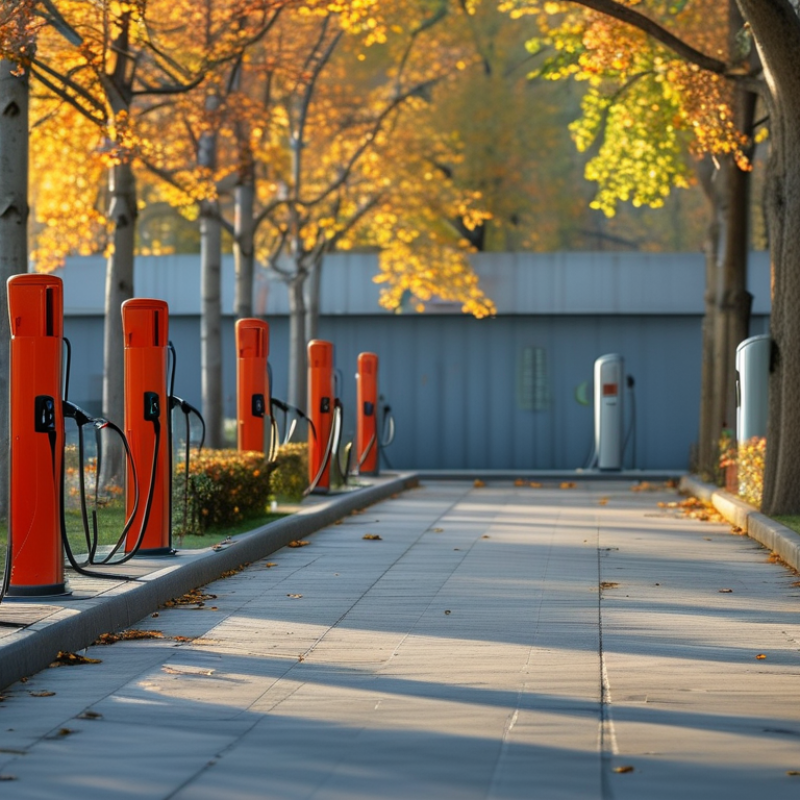
How to Find Reliable Public EV Chargers for Your Needs?

Understanding Different Types of Public EV Chargers Available

When looking for reliable public EV chargers, it’s essential to understand the types available. Level 1 chargers are the most basic. They use standard 120V outlets. These chargers are generally found in residential areas and can be slow, adding about 4 miles of range per hour. This may not suffice for quick charging needs.

Level 2 chargers are more common in public spaces. Operating at 240V, they can provide up to 25 miles of range per hour. A study by the Department of Energy indicates that around 80% of public chargers in the U.S. are Level 2. They suit longer stops, like shopping or dining.

DC fast chargers are the quickest option. They can charge an EV to 80% in about 30 minutes, depending on the vehicle. However, they are less common. Research by the International Energy Agency states that only 2% of chargers worldwide are DC fast chargers. This limited availability can make planning trips challenging. Understanding these options is crucial for effective EV ownership.

Evaluating Charging Speeds and Compatibility for Your EV

When evaluating public EV chargers, charging speed is crucial. Different chargers offer varying speeds, often classified as Level 1, Level 2, or DC fast charging. Level 1 chargers are slow and typically found at home. Level 2 chargers provide a moderate speed, suitable for public use during errands. DC fast chargers can significantly reduce charging time, making them ideal for long trips. Consider your driving habits. If you often take long journeys, prioritize finding DC fast chargers along your route.

Compatibility with your electric vehicle (EV) is another critical factor. Not all chargers work with every EV model. Ensure that the connector type matches your vehicle’s requirements. It is wise to consult user manuals or reliable online resources for this information. Always check for updates on charging networks, as new stations and updates on compatibility arise frequently.

Finding reliable chargers may involve some trial and error. Some locations may be down or occupied, leading to delays. It's essential to be prepared with alternative options. Utilize apps or websites that display real-time availability of chargers. This will help you avoid unnecessary frustrations. Always read recent reviews and feedback from other users. Such insights provide value and improve the likelihood of a positive charging experience.

Researching Charging Station Locations and Availability

Finding reliable public EV chargers is essential for every electric vehicle owner. Researching charging station locations and availability can greatly enhance your driving experience. Start by checking local online maps or apps designed specifically for finding charging points. Many of these resources show real-time availability, making it easier to plan your route.

Consider the types of chargers available at each location. Some offer fast charging that can reduce downtime significantly. Other stations might only have standard chargers, which take longer to fill your battery. This knowledge helps in selecting the right station based on your immediate needs.

Don’t forget to read user reviews and ratings of charging stations. Feedback from other drivers can reveal hidden issues, like malfunctioning chargers or unreliable service. This process may require a little patience, but it can save you time and frustration later on. If a station appears to have frequent problems, it might be best to avoid it altogether.

How to Find Reliable Public EV Chargers for Your Needs?

Location Charger Type Available Power (kW) Status Last Updated
Downtown Park Fast Charger 50 Available 2023-10-20
Shopping Mall Level 2 Charger 22 Occupied 2023-10-18
City Library Standard Charger 7.2 Available 2023-10-19
Airport Terminal Fast Charger 150 Available 2023-10-20
Community Center Level 2 Charger 11 Available 2023-10-17

Using Mobile Apps and Websites to Locate Reliable Chargers

Finding reliable public EV chargers can be a challenge. Many EV drivers rely on mobile apps and websites to simplify the process. According to a study by the International Energy Agency (IEA), around 30% of EV users report difficulty locating available chargers. This highlights the importance of effective tools.

Mobile apps like PlugShare and ChargePoint provide user-generated data that helps identify nearby charging stations. Users can check real-time availability, charger types, and user ratings. A report by the US Department of Energy indicates that stations with higher ratings attract more users, emphasizing the need for quality information. However, data can sometimes be outdated, leading to frustration.

Websites also serve as valuable resources. They often feature interactive maps that show charger locations and technical details. However, not all websites are up-to-date, resulting in potential discrepancies. In 2022, a survey found that 18% of drivers encountered non-functional chargers during their trips. This underlines the necessity for users to cross-reference multiple sources before planning their charge stops.

Considering User Reviews and Ratings of Charging Stations

When searching for reliable public EV chargers, user reviews and ratings are essential. According to a 2023 report by the International Energy Agency (IEA), user feedback significantly influences the decision-making process for EV drivers. A survey indicated that 78% of users consider reviews before selecting a charging station. High ratings often correlate with better experiences, but inconsistencies exist.

Some charging stations receive praise for their fast charging capabilities. Others may fall short, frustrating users. Reports show that about 30% of chargers are often underperforming. For instance, users have noted that stations may be out of service or difficult to locate. Increased transparency in ratings helps create accountability for providers, influencing overall service quality.

Exploring multiple platforms for reviews can reveal hidden aspects of a charging station’s reliability. EV owners frequently mention the importance of real-time availability updates. User-generated content can provide insights that official descriptions may miss. While reviews are helpful, they require careful consideration. Some biases exist, and not every five-star review reflects a genuine experience. Balancing user ratings with factual performance metrics ensures informed choices for EV drivers.

FAQS

: What types of EV chargers are there?

: There are three main types: Level 1, Level 2, and DC fast charging. Level 1 is slowest, typically used at home.

Why is charging speed important?

Charging speed impacts how quickly you can continue your journey. Fast chargers minimize downtime, especially on long trips.

How do I ensure compatibility with EV chargers?

Check the connector type of your EV. Refer to the user manual or reliable online resources for specific requirements.

What should I do if a charging station is down?

Be prepared with alternative options for charging stations. Always have a backup plan to avoid delays.

How can I find available chargers during my trip?

Use mobile apps or websites that show real-time availability of chargers. This helps plan your route efficiently.

How important are user reviews for charging stations?

User reviews reveal issues like faulty chargers. This feedback can prevent wasted time at unreliable stations.

What challenges do EV drivers face in locating chargers?

Many drivers struggle to find available chargers. Approximately 30% report difficulties in locating suitable charging points.

Are all mapping resources equally reliable?

No, some apps and websites may contain outdated information. Cross-referencing multiple sources is advisable before your trip.

What can I do if I encounter faulty chargers?

Document your experiences and share feedback on apps or forums. This can help other drivers avoid similar issues.

Is it worth investing time in researching chargers?

Yes, spending time researching can save you frustration. Understanding charger availability greatly enhances your driving experience.

Conclusion

When exploring how to find reliable public EV chargers, it's essential to understand the different types available, as they can vary significantly in terms of charging speed and compatibility with your electric vehicle. Evaluating these factors will help you choose the best option suited to your needs.

Additionally, researching charging station locations and their availability is crucial for planning your trips effectively. Utilizing mobile apps and websites dedicated to locating charging stations can streamline this process, making it easier to find reliable chargers along your route. Finally, considering user reviews and ratings can provide valuable insights into the experience of other EV users, guiding you towards the most dependable charging options.

Charlotte

Charlotte

Charlotte is a seasoned marketing professional with a deep understanding of the company's portfolio and a passion for elevating its presence in the market. With a keen eye for detail and a commitment to excellence, she ensures that our professional blog is regularly updated with insightful articles......