Electric vehicles (EVs) are rapidly gaining popularity, leading to a surge in demand for charging stations. As the infrastructure grows, understanding “Why EV charging stations require permits” becomes essential. According to a 2023 report from the International Energy Agency, the number of EV charging points worldwide could exceed 10 million by 2025. However, this expansion brings regulatory challenges.
Experts emphasize the necessity of permits to ensure safety and compliance. Mark Johnson, a leading analyst at GridWise, states, “Permits guarantee that installations are safe and meet local standards.” This perspective highlights the balance between growth and regulation in the EV sector.
Permits serve multiple purposes. They ensure proper installation and electrical safety, protecting users and properties. Furthermore, they encourage adherence to local zoning laws. Without proper oversight, the potential for safety hazards increases. Ultimately, understanding the permitting process is vital for stakeholders in the EV charging industry, paving the way for sustainable infrastructure development.
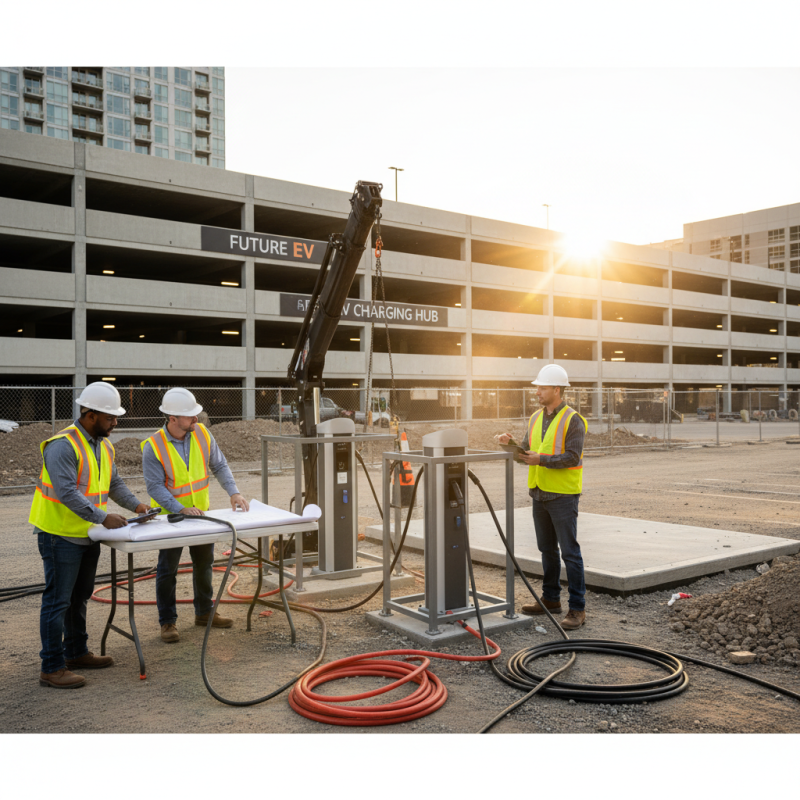
Permits play a crucial role in the installation of EV charging stations. They ensure that all installations meet local codes and safety standards. According to a 2022 report from the International Energy Agency, over 10 million electric vehicles were on the road, leading to increased demand for charging infrastructure. Proper permitting helps manage this growth effectively.
Local regulations can dictate the installation process. For example, zoning laws may influence where a charging station can be placed. A study by the U.S. Department of Energy found that areas with stringent regulations faced longer installation times. This highlights the need for efficient permit processes to encourage the expansion of EV charging networks.
Moreover, permits help ensure environmental compliance. Installing charging stations can have impacts on local ecosystems. A comprehensive permitting process involves assessments that consider these factors. This thorough approach can prevent unforeseen negative consequences. However, it's essential to balance these regulations with the urgent need for more charging infrastructure. Simplifying permit processes may foster growth while still maintaining safety and compliance.
Installing electric vehicle (EV) charging stations requires careful attention to legal requirements. These regulations vary widely by location. They often encompass zoning laws and building codes. Understanding these can be challenging for many users.
Permits ensure safety and compliance with local standards. They typically cover elements like electrical safety, grounding, and accessibility. For example, a station must comply with ADA guidelines. Without proper permits, a station may face fines, or worse, be deemed unsafe for use.
Navigating these legalities can be daunting. Some may overlook specific requirements, leading to project delays or cancellations. Consulting local authorities can provide clarity. Engaging professionals with expertise in EV infrastructure is wise. They can navigate the complexities of the installation process. This can prevent costly mistakes and ensure a smoother installation.
The installation of electric vehicle (EV) charging stations requires permits to ensure safety standards and compliance with regulations. This process plays a critical role in protecting users and the broader community. Engineers and technicians must adhere to specific guidelines when designing and executing installations. These standards often include proper electrical load calculations, site assessments, and material specifications.
Regular inspections by local authorities help verify compliance with safety regulations. The presence of certified professionals ensures that installations meet national and local codes. However, not all installations may be smooth. It’s common to encounter challenges related to site restrictions or outdated infrastructure. Such obstacles can delay project completion and divert resources.
Moreover, the rapid evolution of EV technology adds complexity. As vehicle designs change, so do charging requirements. Permitting processes must adapt accordingly, which can lead to inconsistencies. Industry stakeholders often need to reassess their approach. Balancing innovation with safety is vital for the future of EV infrastructure. Training and education for installation professionals can help mitigate these issues. Proper guidance fosters a safer environment for EV users.
Local regulations significantly influence the deployment of electric vehicle (EV) charging stations. These regulations vary widely across different municipalities, impacting where and how quickly charging infrastructure can be installed. According to a report from the International Energy Agency (IEA), nearly 70% of EV charging stations are deployed in areas with supportive policies. This indicates that local governments play a vital role.
Permit requirements can complicate the installation process. In some regions, obtaining a permit may take weeks or even months. This delay can hinder the expansion of necessary charging networks. The U.S. Department of Energy highlights that eliminating unnecessary regulatory hurdles could increase the number of charging stations by up to 200%. Communities may face challenges in adapting to evolving technology and standards. Local codes often lag behind the rapid innovations in EV technology.
Furthermore, zoning laws can dictate where charging stations can be located. This restrictiveness can lead to inadequacies in charging access for residents. Data from the U.S. Electric Vehicle Market Report shows that areas with strict zoning often see fewer installations. The need for standardized regulations is evident to support broader EV adoption. Stakeholders must reflect on how to streamline this process.
Permitting for EV charging station installations is essential for several reasons. One major benefit is ensuring safety. Proper permits require compliance with local building codes. This minimizes risks associated with electrical failures or inadequate infrastructure. Additionally, permitting helps identify appropriate locations, avoiding hazards like flooding or heavy traffic.
Furthermore, permitting encourages sustainable practices. By mandating environmental assessments, authorities can promote greener solutions. This may include the integration of renewable energy sources into charging stations. Such practices can significantly reduce the carbon footprint associated with electric vehicle usage.
**Tips**: Always research local zoning laws. Engaging with city planners early can streamline the permitting process. Consider involving experts who specialize in sustainable designs. Their insight can enhance your project's credibility. Keep in mind that regulations may change, so staying informed is crucial.
: Permits ensure installations meet local codes and safety standards, promoting safe and compliant infrastructure.
Zoning laws may dictate where stations can be installed, impacting project timelines and locations.
Permitting includes assessments to evaluate potential impacts on local ecosystems, ensuring sustainable practices.
Site restrictions and outdated infrastructure can complicate projects, causing delays and resource diversions.
Changes in vehicle designs lead to shifting charging requirements, making it essential for processes to adapt regularly.
Inspections verify compliance with safety regulations and ensure that installations follow established codes.
Permits require adherence to building codes, reducing risks from electrical failures and inadequate safety measures.
They promote eco-friendly solutions, such as integrating renewable energy sources, reducing overall carbon footprints.
Early engagement can help navigate regulations and expedite approvals, facilitating project completion.
Regulations can change, and staying updated ensures compliance and readiness for potential adjustments in planning.
The installation of electric vehicle (EV) charging stations is a critical component in promoting sustainable transportation, and understanding why EV charging stations require permits is essential. Permits serve a legal safeguard, ensuring that installations comply with local, state, and federal regulations. This adherence to guidelines is vital for maintaining safety standards within the infrastructure, protecting users and the environment alike.
Local regulations significantly influence the deployment of EV charging stations, dictating where and how they can be installed. By obtaining the necessary permits, developers not only align their projects with these regulations but also contribute to a more efficient and organized rollout of charging solutions. Ultimately, the benefits of permitting galvanize sustainable initiatives, fostering a reliable EV charging ecosystem that meets the demands of the growing electric vehicle market.

Amp Link Charger