The world of electric vehicles (EVs) is rapidly evolving. As more drivers switch to EVs, understanding charging costs becomes essential. Why EV charging costs vary by location is a crucial topic for both consumers and industry stakeholders. This variation can often seem confusing.
Different regions show significant price differences. Cities may have higher rates due to demand. Rural areas could benefit from lower costs due to less traffic. However, factors like local policies and energy sources also play a role. For example, areas using renewable energy might offer cheaper rates. Yet, this isn't always the case.
There's also the impact of infrastructure. Regions with abundant charging stations may have competitive pricing. Meanwhile, places with fewer options could charge more to recoup costs. Understanding these nuances invites deeper reflection on our approach to EV charging. As we analyze, it’s vital to consider how location shapes the future of electric mobility.
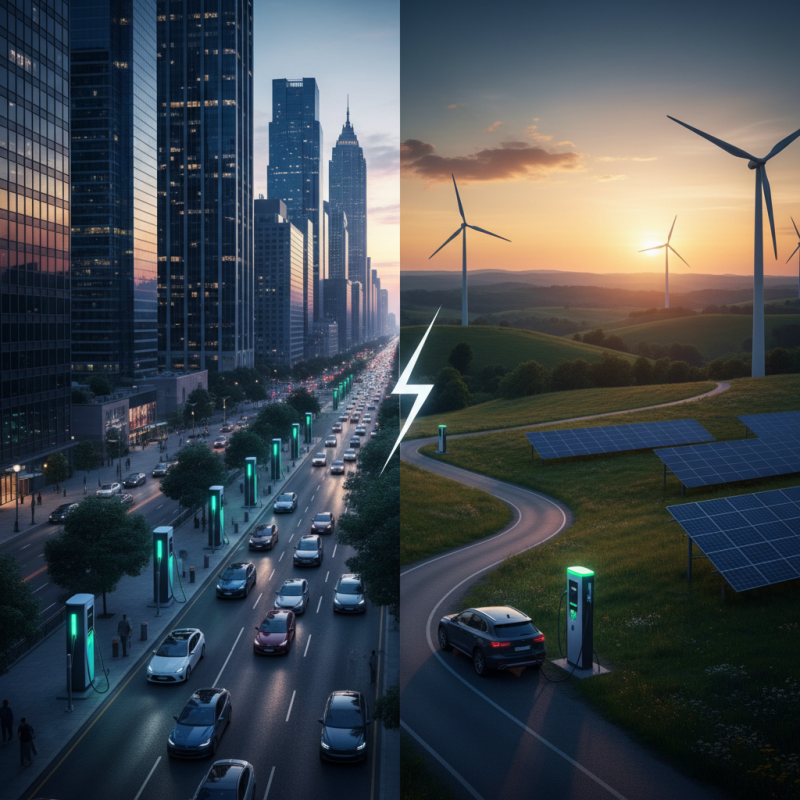
Electric vehicle (EV) charging costs can vary significantly based on several factors. Location plays a critical role in determining charging prices. Urban areas often have higher rates due to increased demand and more amenities. Conversely, rural locations might offer cheaper options, but fewer charging stations may limit convenience.
Infrastructure also impacts costs. Regions with advanced charging networks may charge more for access and faster charging speeds. In contrast, areas with basic services may not offer the latest technology. Local electricity rates influence prices too. Where power is expensive, charging costs rise.
Tips: Always check charging station rates before plugging in. Some apps provide real-time pricing data. Consider the time of day for charging; off-peak hours often bring lower rates.
Understanding regional policies can shed light on costs. Incentives for EV adoption may lead to discounted rates in certain areas. However, miscommunication about these incentives can create confusion. Do your research to find reliable sources for pricing information.
| Location Type | Average Charging Cost per kWh | Access Fee | Charging Speed | Accessibility |
|---|---|---|---|---|
| Urban Center | $0.30 | $1.00 | Fast (DCFC) | High |
| Suburban Area | $0.25 | $0.50 | Level 2 | Medium |
| Rural Area | $0.20 | $0.00 | Level 2 | Low |
| Highway Rest Area | $0.35 | $2.00 | Fast (DCFC) | Medium |
| Commercial Parking Garage | $0.40 | $1.50 | Level 2 | High |
: EV charging costs vary mainly due to local demand, electricity prices, and infrastructure availability.
Urban areas have higher charges due to dense populations and increased electricity consumption.
Rural stations may have lower rates but often face higher operational costs and limited availability.
Higher local electricity prices generally result in increased EV charging costs, especially in urban areas.
Check charging station rates online or through apps that provide real-time pricing data before charging.
Yes, charging during off-peak hours often comes with lower electricity prices, reducing overall costs.
Some areas offer subsidies or lower tariffs, which can significantly decrease charging expenses.
Rural areas may have sparse charging stations, leading to higher prices and less competitive rates.
Yes, urban EV owners may encounter congestion at popular charging stations despite generally lower rates.
Knowing local incentives and policies can assist EV owners in finding reliable pricing and saving on charges.
The article "Why Do EV Charging Costs Vary by Location Explained" delves into the various factors that contribute to the differences in electric vehicle (EV) charging costs across regions. One key aspect is the disparity between urban and rural charging rates, influenced by factors such as demand, population density, and local infrastructure. Additionally, the role of electricity prices plays a significant part, as rates fluctuate based on regional energy markets and resources.
Another important consideration is the availability of charging infrastructure, which can impact pricing strategies set by charging station operators. Furthermore, government policies and incentives also significantly shape EV charging fees, encouraging or discouraging expansion and affordability of charging stations. Overall, understanding why EV charging costs vary by location requires a comprehensive look at these diverse factors, reflecting the complex interplay between local conditions and energy economics.

 Amp Link Charger