Why Are Some EV Chargers Not Compatible with Certain Cars?

Time:2026-06-01 Author:Aria
0%

As the electric vehicle (EV) market expands, a crucial question arises: why some EV chargers are incompatible with certain cars. This topic has gained attention in automotive circles. John Green, an industry expert, remarked, “Not all chargers are created equal. Compatibility depends on multiple factors.” This statement encapsulates the complexities of EV charging infrastructure.

Different EVs utilize varied charging protocols and connector types. Manufacturers like Tesla, Nissan, and Chevrolet design their vehicles with specific electrical standards. This leads to discrepancies in what chargers can service which cars. Additionally, the charging speed and capacity can differ greatly among stations. Some chargers support fast charging; others may not.

The issue of compatibility raises concerns. It creates consumer frustration and limits EV drivers’ options. Some may need adapters to charge their vehicles. This can feel inconvenient and can diminish the appeal of switching to electric. Understanding why some EV chargers are incompatible with certain cars is essential. It emphasizes the ongoing need for standardized solutions within the industry. Increased awareness can empower drivers and spur innovation in EV infrastructure.
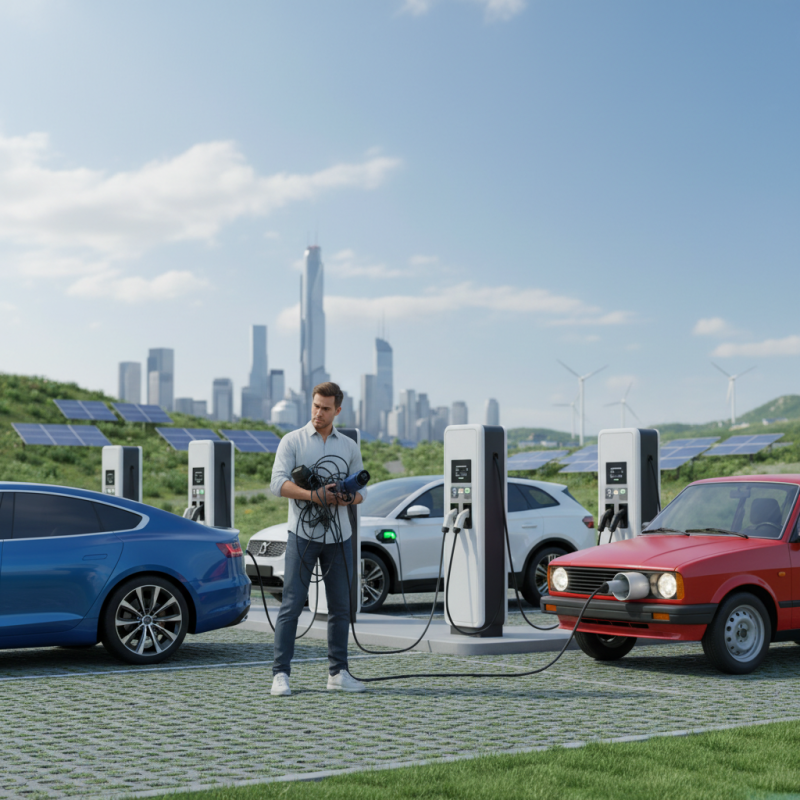
Why Are Some EV Chargers Not Compatible with Certain Cars?

Understanding the Basics of Electric Vehicle Charging Technology

Electric vehicle (EV) charging technology is complex. Not all chargers are designed for every car. This stems from different charging standards and connectors. Common types include Level 1, Level 2, and DC fast charging. Each type has its unique specifications and requirements. Understanding these can help users avoid compatibility issues.

For example, Level 1 chargers are slower and typically use a standard plug. They work well at home, but they may not be suitable for on-the-go charging. Meanwhile, Level 2 chargers are faster and often found in public locations. However, they require specific connectors that some EVs do not support. It's frustrating when drivers arrive at a station only to find their vehicle won't connect.

On the other hand, the evolution of charging technology doesn’t promise perfection. As more manufacturers enter the EV market, new standards may arise. This can lead to confusion for consumers. Additionally, roads and infrastructure vary widely, impacting accessibility to compatible chargers. Each of these factors contributes to the ongoing challenges in EV charging systems.

Types of EV Chargers and Their Compatibility Standards

When it comes to electric vehicle (EV) chargers, compatibility is key. There are different types of chargers, each adhering to various standards. Most chargers fall into three categories: Level 1, Level 2, and DC fast chargers. Level 1 chargers use a standard home outlet. They are the slowest, taking several hours to fully charge a vehicle. Level 2 chargers are faster and commonly found in public spaces. DC fast chargers can provide a significant charge in under an hour.

The compatibility issues often arise from connectors. Each vehicle has a specific charging port type. For instance, some EVs use Type 1 connectors, while others rely on Type 2 or CCS (Combined Charging System). This difference can lead to confusion and frustration. Not all chargers fit every car, creating a gap in charging accessibility.

Tips: Always check your vehicle’s specifications before using a charger. Having an adapter can be beneficial, but it's essential to know its limits. Keep an eye on local charging stations and their compatibility to avoid disappointment. When planning long trips, research charging options along your route to ensure you won’t face compatibility issues.

Factors Affecting EV Charger and Vehicle Compatibility

The compatibility between electric vehicle (EV) chargers and vehicles is affected by several key factors. One significant aspect is the type of connector used. For instance, there are multiple types of charging plugs, including Type 1 and Type 2 connectors. The International Electrotechnical Commission (IEC) has set standards for these connections. According to the Electric Power Research Institute, approximately 70% of EVs use either Type 1 or Type 2 connectors, which could lead to confusion for users.

Another aspect that influences compatibility is the charging speed and communication protocols. Faster chargers may require specific configurations and software updates to function correctly with certain vehicles. Research indicates that about 40% of EV owners have experienced issues with charging compatibility at public stations. This suggests that the industry still needs to address gaps in charger technology and vehicle design.

Battery size and architecture also play a role. Different EVs have distinct power demands, with some incapable of handling rapid charging. This can lead to inefficiencies. Consumers may find that while a charger fits their vehicle, it does not provide optimal charging. Striking a balance between various standards and user needs remains a challenge in the evolving EV landscape.

Regional Charging Standards and Their Impact on Compatibility

The compatibility of electric vehicle (EV) chargers often hinges on regional charging standards. In North America, the most common standard is the J1772 connector. However, in Europe, the Type 2 connector is standard. This discrepancy can lead to confusion for EV owners. As reported by the International Energy Agency (IEA), only 60% of EV models can utilize all available charging stations in their respective regions.

Moreover, different regions may adopt unique fast-charging technologies. For instance, DC fast charging varies between CHAdeMO and CCS (Combined Charging System) standards. Data from a recent EV charging infrastructure report highlights that over 30% of charging stations may not be accessible to all EV brands. This fact raises concerns regarding the convenience and reliability of charging networks.

While regulatory bodies strive to create universal standards, progress is slow. Disparate regional regulations may prolong the current situation. This inconsistency might inhibit the widespread adoption of EVs. Charging accessibility remains a significant barrier that warrants attention from industry stakeholders and policymakers alike.

The Future of EV Charger Compatibility and Emerging Solutions

The compatibility of EV chargers with various electric vehicle models is an ongoing challenge. Different car manufacturers use distinct charging protocols and connector designs. This complexity creates confusion for consumers. Some chargers simply do not match the specifications of certain vehicles. This issue stems from a lack of standardization in the industry.

Fortunately, there are emerging solutions to enhance compatibility. Organizations and alliances are advocating for universal charging standards. This progress aims to streamline the charging process for all EV owners. Advancements in technology also play a crucial role. Developers are working on flexible adapters that could bridge the gap between different charging systems. However, these solutions still require further refinement.

The future looks promising but imperfect. Existing infrastructure needs significant upgrades. Public and private sectors must collaborate to improve compatibility. Consumer education is also vital to navigate the current landscape. As the market evolves, awareness and adaptation will be key. Ensuring that all EV users can charge seamlessly remains a crucial goal.

FAQS

: What are the types of EV chargers?

: There are three main types: Level 1, Level 2, and DC fast chargers. Level 1 uses a standard outlet. Level 2 is faster and found in public spaces. DC fast chargers provide a quick charge under an hour.

Why is charger compatibility important?

Compatibility is crucial because different vehicles have specific charging ports. Mismatches can lead to frustration and limited charging options.

What are common connector types for EVs?

The most common connectors are Type 1 and Type 2. About 70% of EVs use these types. This can create confusion for users.

How do charging speeds affect compatibility?

Faster chargers may need specific configurations to work. If not, they might not charge certain vehicles effectively, leading to inefficiencies.

What should I check before using a charger?

Always verify your vehicle’s charging specifications. An adapter can help, but knowing its limits is crucial too.

How many EV owners face compatibility issues?

Research shows that about 40% of EV owners encounter charging compatibility problems at public stations.

What is being done to improve EV charger compatibility?

Organizations advocate for universal charging standards. Developers work on flexible adapters to connect different systems.

Why is consumer education necessary in this field?

As technology evolves, consumers need to understand how to navigate charging options effectively. Awareness is key to avoid issues.

What challenges does the EV charging industry face?

The lack of standardization complicates compatibility. Infrastructure needs improvement, and collaboration is essential for better solutions.

Will future solutions resolve existing issues?

Future developments look promising, but imperfections remain. Further refinement and upgrades are necessary for seamless charging experiences.

Conclusion

Understanding why some EV chargers are incompatible with certain cars involves delving into the fundamentals of electric vehicle charging technology and the various types of chargers available. Different charging standards, influenced by factors such as connector types, charging speeds, and regional specifications, play a crucial role in determining compatibility. For instance, while some chargers may support fast charging, others may only offer standard levels, leading to mismatches with certain vehicle models.

Moreover, regional differences in charging standards can further complicate this issue, making it essential for manufacturers and consumers to be aware of local compatibility guidelines. As the EV market evolves, emerging solutions are being developed to bridge these compatibility gaps, aiming to create a more unified charging infrastructure. Ultimately, understanding "why some EV chargers are incompatible with certain cars" is vital for ensuring a smoother transition to electric mobility and enhancing user convenience.

Aria

Aria

Aria is a dedicated marketing professional with a deep passion for innovative strategies and a keen understanding of our company's product offerings. With a wealth of experience in the industry, Aria excels at crafting engaging content that highlights the unique features and benefits of our......