10 Essential Tips for Planning EV Infrastructure in Cities?

Time:2026-07-06 Author:Aria
0%

As urban areas grow, the demand for electric vehicles (EVs) rises. A recent report by the International Energy Agency highlights that global EV sales surged by 40% in 2021, signaling a major shift in transportation. However, many cities struggle with "how to plan EV infrastructure for urban areas."

Effective planning is crucial for a successful transition. Insufficient charging stations can deter potential EV buyers. A study by McKinsey estimates that cities need to triple their charging networks by 2030 to meet projected demand. Infrastructure often lacks strategic placement. Many charging points are installed in isolated areas, making accessibility an issue. Cities must ensure that locations cater to both commuters and residents alike.

Balancing speed with thoroughness is vital. Rapid deployment may lead to subpar installations. Cities should prioritize quality over quantity in their planning efforts. Collaborating with experts can help municipalities navigate complex infrastructure demands. Thus, as cities face challenges in EV adoption, understanding the nuance of how to implement EV infrastructure effectively will be key to future success.
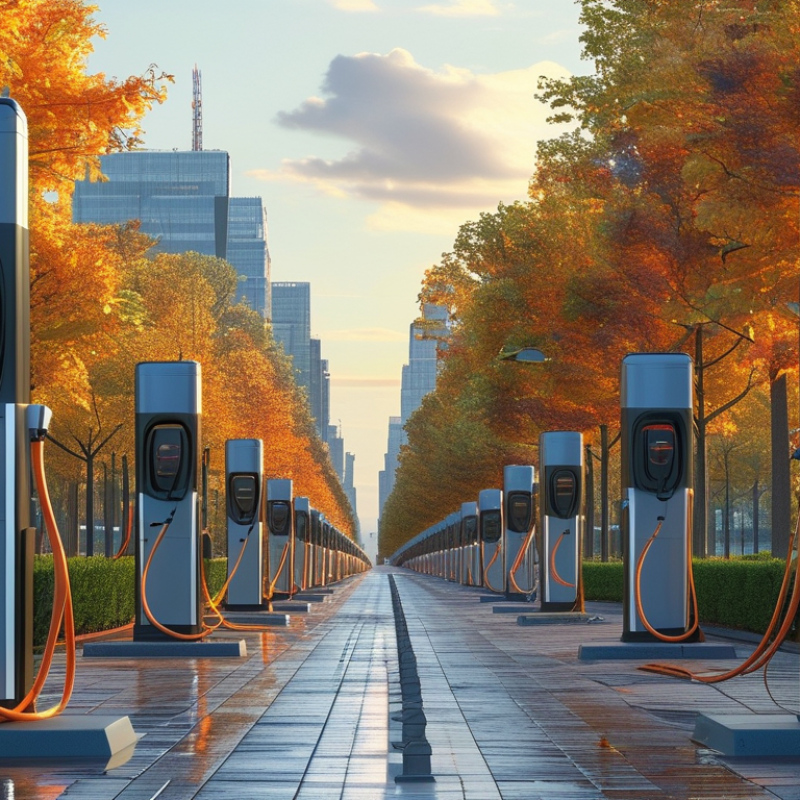
10 Essential Tips for Planning EV Infrastructure in Cities?

Identifying Key Locations for EV Charging Stations in Urban Areas

Identifying optimal locations for EV charging stations in urban areas is crucial for successful infrastructure planning. A strategic approach can enhance accessibility and encourage EV adoption.

One effective tip is to target high-traffic areas. Places like malls, business districts, and busy intersections attract many users. These locations provide convenience for users and ensure a steady demand for charging services.

Another useful strategy is to place charging stations near public transport hubs. This supports commuters who may want to charge while waiting for buses or trains.

It's also essential to consider the accessibility of charging stations. Stations should be easy to locate and navigate to, preferably with clear signage. Integrating stations into existing parking facilities can maximize space without disrupting urban landscapes.

Additionally, assessing local energy infrastructure is important. Weak grids may hinder optimal station performance, causing user frustration. Remember, mistakes can happen in planning. Always seek feedback and adjust as needed.

Analyzing Current and Future EV Adoption Trends in the City

As cities plan for electric vehicle (EV) infrastructure, understanding current adoption trends is vital. More urban residents are choosing EVs due to environmental concerns and economic benefits. This shift indicates a growing demand for charging stations and related services. City planners need to recognize how this trend impacts traffic patterns and energy consumption.

In analyzing future EV adoption, cities face unique challenges. One significant issue is the existing energy grid's capacity. Many urban areas lack the infrastructure to support a surge in chargers. Additionally, planning must consider the equitable distribution of charging stations. Certain neighborhoods may lack access, which could limit EV growth.

Another consideration is user behavior. People may hesitate to switch to EVs if charging isn’t convenient. This uncertainty requires cities to conduct surveys and engage with communities. Insights gained can shape practical solutions that meet specific needs. Adapting to these trends involves continuous learning and flexibility in planning efforts.

Integrating EV Infrastructure with Public Transportation Systems

Integrating electric vehicle (EV) infrastructure with public transportation systems is crucial for sustainable urban development. A report by the International Council on Clean Transportation highlights that cities with seamless EV connections to public transit see a greater reduction in greenhouse gas emissions. This integration promotes the use of public transport and expands access to EV charging stations.

Cities like San Francisco and Amsterdam have successfully combined EV charging with bus and tram stops. This encourages commuters to rely less on personal vehicles. The U.S. Department of Energy states that over 70% of potential EV users live within half a mile of public transit. However, many cities struggle with effective planning. Lack of coordination between transportation agencies and city planners often leads to insufficient charging infrastructure.

Beyond positioning, accessibility is vital. Charging stations should be designed for diverse user needs. Research indicates that 40% of EV users are reluctant to use public transportation due to inadequate charging options. Addressing this gap requires investment in smart technology and user-friendly designs. Cities must reflect on these issues and prioritize holistic, equitable approaches to EV infrastructure planning.

10 Essential Tips for Planning EV Infrastructure in Cities

This chart illustrates the importance of integrating EV infrastructure with public transportation systems. It showcases how different factors influence the effectiveness of EV infrastructure in urban planning.

Ensuring Accessibility and Inclusivity in EV Charging Design

Ensuring accessibility and inclusivity in EV charging design is crucial for urban planning. While electric vehicles (EVs) are on the rise, charging infrastructure must cater to all city residents. Data shows that nearly 20% of households lack off-street parking, which highlights the need for public charging solutions. Planners must consider locations that are widely accessible, ensuring chargers are within reach of diverse communities.

User experience plays a significant role in the adoption of EVs. A recent report indicated that 78% of potential EV buyers prioritize easy access to charging stations. Therefore, integrating charging points into everyday locations, such as grocery stores and parks, can enhance convenience. Furthermore, ADA compliance is essential for wheelchair access at charging stations. It's important to reflect on current designs. Are they truly meeting user needs?

Accessibility also includes information dissemination. Many users require guidance on using charging stations. Implementing user-friendly signage and multilingual options can bridge gaps. Some studies indicate that many users feel confused about charging processes. Addressing this concern can significantly improve overall user satisfaction and engagement.

Developing a Sustainable Funding Model for EV Infrastructure Expansion

As cities push for sustainable transportation, developing a robust funding model for EV infrastructure is crucial. A report from the International Energy Agency highlighted that global electric vehicle sales reached 10 million units in 2022, indicating a demand surge. However, meeting this demand requires substantial investment in charging stations and grid enhancements. Research suggests that deploying one public charging point for every ten EVs on the road is a good benchmark to target.

Cities must explore diverse funding mechanisms. Public-private partnerships can leverage both government resources and private investments. According to a study by the Brookings Institution, leveraging federal grants can cover up to 80% of charging infrastructure costs. However, this leaves a significant gap that local governments often need to bridge. Ensuring equitable access is also essential, as low-income neighborhoods may be underserved. Policymakers must prioritize inclusivity to avoid deepening existing disparities.

Yet, challenges persist in securing consistent funding. Economic fluctuations, policy changes, and public resistance can hinder progress. Cities should consider implementing user fees, like charging fees at high-demand stations, to support ongoing maintenance. Exploring innovative financing strategies, such as green bonds, could provide essential capital. Addressing these challenges is necessary for building a sustainable EV ecosystem.

FAQS

: What are the current trends in electric vehicle (EV) adoption in urban areas?

: More urban residents are choosing EVs for environmental and economic reasons. This creates demand for charging stations.

What challenges do cities face with future EV adoption?

Cities must evaluate their energy grid's capacity. Many lack infrastructure to support a surge in EV chargers.

Why is accessibility important in EV charging infrastructure?

About 20% of households have no off-street parking. Public charging solutions are crucial for these residents.

How can user behavior impact EV adoption?

If charging isn’t convenient, people may hesitate to switch to EVs. Communities need to be engaged to understand their needs.

How important is user experience at charging stations?

User experience significantly affects EV adoption. Many potential buyers want easy access to charging points.

What funding strategies can cities use for EV infrastructure?

Public-private partnerships can combine resources. Federal grants can cover much of the costs, but gaps remain.

How can cities ensure equitable access to charging stations?

Policymakers should prioritize underserved neighborhoods. Equal distribution is vital to prevent deepening existing disparities.

What role do fees play in maintaining charging stations?

User fees at high-demand stations can support maintenance. This is necessary for the ongoing success of the charging network.

Why is information dissemination important for EV users?

Many users feel confused about using chargers. Clear signage and multilingual options can improve understanding.

How can cities reflect on current charging station designs?

Planners must evaluate if designs truly meet user needs. Continuous reflection is essential for improving accessibility and experience.

Conclusion

Planning EV infrastructure for urban areas is a multifaceted challenge that requires careful consideration of several key factors. First, identifying strategic locations for EV charging stations is crucial to ensure accessibility for all users. This involves analyzing the current and projected trends in electric vehicle adoption, which helps city planners anticipate future demand. Additionally, integrating EV infrastructure with existing public transportation systems enhances overall mobility and encourages EV use among commuters.

Moreover, it is essential to focus on accessibility and inclusivity in the design of charging stations to cater to diverse communities effectively. Lastly, developing a sustainable funding model is vital for the expansion of EV infrastructure, allowing cities to invest in necessary technologies while remaining fiscally responsible. By addressing these elements, cities can successfully implement effective EV infrastructure that meets the needs of their citizens.

Aria

Aria

Aria is a dedicated marketing professional with a deep passion for innovative strategies and a keen understanding of our company's product offerings. With a wealth of experience in the industry, Aria excels at crafting engaging content that highlights the unique features and benefits of our......