As electric vehicles (EVs) gain popularity, drivers increasingly seek efficient strategies for long trips. Knowing how to plan EV charging for long trips is essential for a smooth journey. It can be daunting to manage charging, especially with varying station availability and different charging speeds.
The success of your trip hinges on careful preparation. Researching charging stations along your route is crucial. Many apps provide real-time data on charger availability, but they can sometimes be unreliable. Travelers should have backup options in mind. It’s wise to consider the charging needs of your specific EV model, as range varies significantly.
When embarking on your journey, remember to plan for delays. Sometimes charging stations are occupied or out of service. Being adaptable can help alleviate stress. Evaluating travel patterns and peak hours for charging stations is also important. This can make a notable difference in your overall travel experience. Understanding how to effectively plan EV charging for long trips can turn a potentially frustrating endeavor into a satisfying adventure.
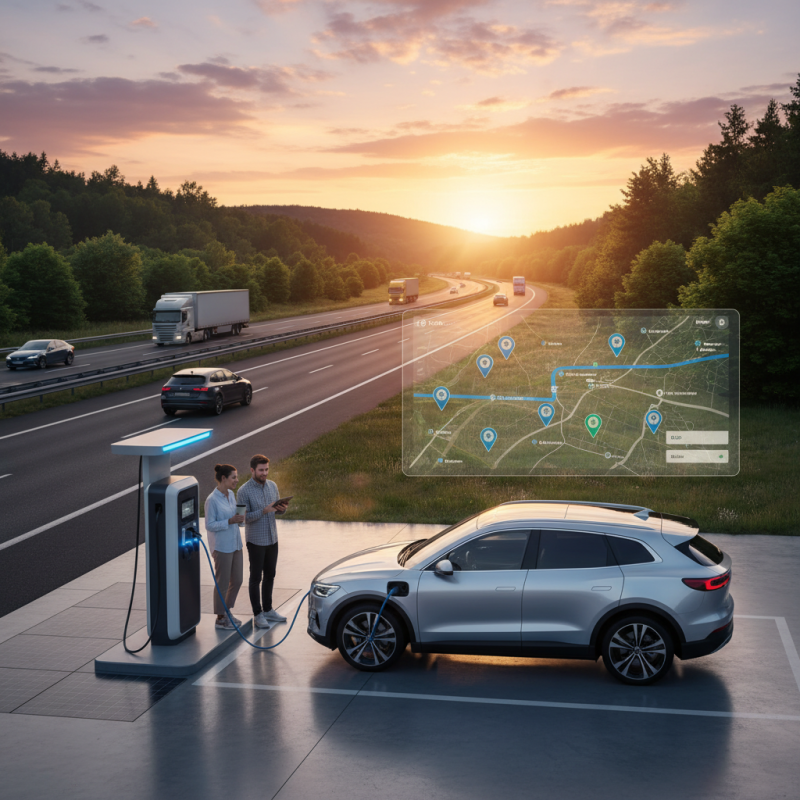
Understanding the range and charging needs of your electric vehicle (EV) is crucial for planning efficient long trips. Many EVs currently on the market have ranges between 150 to 350 miles per charge. According to a 2022 report from the International Energy Agency, the average range of new electric cars continued to improve, but factors like driving speed and terrain can significantly affect these figures.
Before embarking on a long journey, analyze your vehicle's range. Consider charging stations along your route. Tools like charging maps can highlight locations and types of chargers available. An important tip is to plan for charging during breaks. This allows you to recharge your vehicle while you rest.
Another critical aspect is battery management. Keeping your battery between 20% and 80% can prolong its lifespan. Some studies suggest that frequent charging at these levels reduces degradation. Yet, many drivers might underestimate energy consumption, especially in hilly areas. It's wise to reevaluate your strategy if you find yourself consistently low on power before reaching your target. This approach not only enhances your driving experience but also builds confidence in your EV’s capabilities on long journeys.
When planning a long trip with an electric vehicle (EV), identifying charging stations is crucial. Start by using reliable online maps or apps that list charging locations along your route. These resources often show real-time availability, which is essential for avoiding long waits. Make sure to refresh the information before you set off, as station status can change quickly.
Consider various factors when mapping out your stops. Look for stations that are in safe and accessible areas. Some may be located in shopping centers or restaurants, which can make your wait more pleasant. It's important to check the charging speed as well. Not all stations offer the same level of charging efficiency. Some may require a longer stop, which can affect your travel schedule.
Planning ahead can reveal potential hurdles. You might find that some routes have fewer charging options than others. This can lead you to consider alternative paths or more frequent stops. Don't rely solely on one source for information. Cross-checking can enhance reliability. Taking these steps not only improves your trip but also minimizes stress along the journey.
Long trips in an electric vehicle (EV) require careful planning, especially when it comes to charging stops. Identifying the right locations along your route is crucial. Consider using mapping tools that show EV charging stations. This way, you can plot charging stops based on battery life and travel time. Setting the right interval for these breaks is essential for a smooth journey.
When scheduling charging stops, think about factors like station availability and charger speed. Not every charging station operates at the same efficiency. Some may only provide slow charging, extending your downtime. Planning for fast chargers can save precious hours. Look for stations situated near food options or rest areas. This allows for a productive break while your vehicle charges.
Experience plays a role in planning efficient charging. You may find that some stations are unexpectedly full or malfunctioning. It's wise to have a backup plan. Consider downloading apps that provide real-time data on station status. The goal is to minimize downtime while maximizing your journey enjoyment. Reflecting on your experiences can also lead to better planning for future trips.
Planning your electric vehicle (EV) charging for long trips is crucial. Utilizing charging apps and websites can significantly ease your journey. These tools provide real-time information on charging station availability and locations. According to a recent industry report, over 70% of EV users find charging apps essential for efficient trip planning.
When using these apps, focus on user reviews. They often provide insights into station reliability and wait times. Look for ratings from drivers who have recently visited the stations. This can help you avoid places where chargers are often broken or unreliable. The Department of Energy states that 50% of charging failures occur due to equipment issues, so verifying station functionality is important.
Tips: Always plan for charging stops during your trip. It can be helpful to include one extra stop as a backup. Download multiple charging apps to compare station availability. Lastly, keep your vehicle's range in mind. Charging responsibly ensures you won’t get stranded with an empty battery.
When planning a long trip with an electric vehicle (EV), it's crucial to consider backup charging options. Despite the growing network of charging stations, unexpected situations can arise. A charger may be out of service, or you might find yourself in a remote area with limited access. Having a backup plan can save time and reduce anxiety.
A simple tip is to download multiple charging apps. These apps can help you locate charging stations and provide real-time availability updates. It’s wise to have a list of alternative charging spots along your route. Knowing the locations of fast chargers is essential. It’s also beneficial to research options at hotels or restaurants you plan to visit.
Consider using extension cords with your EV's charging kit. In emergencies, this can be handy if you find a suitable outlet. However, keep in mind that not all outlets will safely charge your EV. Be cautious and ensure the electrical supply is adequate. It's a good idea to have a backup charging cable specific for emergencies. This awareness and planning can lead to a smoother journey, even when the unexpected happens.
| Trip Distance (miles) | Estimated Charge Time (hours) | Primary Charging Stations | Backup Charging Options | Notes |
|---|---|---|---|---|
| 200 | 1.5 | Fast Charging Station A | Nearby Hotel Charging | Plan for busy hours |
| 300 | 2 | Supercharger B | Rest Area Charging | Check availability early |
| 400 | 3.5 | Highway Charging Point C | Friends' House Charging | Stay flexible |
| 500 | 5 | City Charging Station D | Shopping Mall Charging | Consider peak hours |
: Most EVs offer a range between 150 to 350 miles per charge.
Factors like driving speed and terrain can significantly impact the actual distance an EV can travel.
Analyze your vehicle's range and identify charging stations along your route.
Charging while resting helps maximize efficiency and keeps your battery topped up.
Keep the battery between 20% and 80% charge to reduce degradation over time.
Reevaluate your plans and charging strategy to ensure you reach your destination comfortably.
Use reliable online maps or apps that list real-time charging locations for your trip.
Look for safety, accessibility, charging speed, and user reviews before choosing a station.
Different sources can provide varying reliability, ensuring better planning and less stress during trips.
Include an extra charging stop to avoid potential issues with station availability or functionality.
When considering how to plan EV charging for long trips, it's essential to first understand your electric vehicle's range and its specific charging needs. This foundational knowledge allows you to better identify and map out charging stations along your intended route, ensuring that you can reach your destination without running out of power.
As you plan your journey, scheduling charging stops carefully can significantly optimize your travel time, allowing for breaks that coincide with necessary charging periods. Additionally, utilizing various charging apps and websites helps provide real-time information on station availability and potential delays. Finally, always prepare for the unexpected by planning for backup charging options, ensuring that you remain on track even in the case of emergencies. With these strategies in place, you'll be well-equipped for a successful long-distance EV trip.

Amp Link Charger