Electric vehicle (EV) chargers come in two types: indoor and outdoor. Despite both serving the same purpose, their performance can differ significantly. Expert John Smith, a leading figure in EV infrastructure research, notes, "The environment plays a crucial role in how chargers operate." This leads us to explore why indoor vs outdoor EV chargers differ.
Indoor chargers often benefit from a controlled climate. This can protect the charger from extreme weather conditions. In contrast, outdoor chargers face unique challenges. They endure varied temperatures, rain, and snow. These elements can impact their efficiency and longevity. The materials used in outdoor models are engineered to withstand these conditions, but performance can still wane over time.
Understanding why indoor vs outdoor EV chargers differ is vital. It affects installation choices for homeowners and businesses alike. Users might find that one type suits their needs better. However, not all outdoor installations perform at peak levels. Some users report slower charging times during harsh weather. This raises questions on reliability and performance. Ultimately, a deeper understanding of these differences can guide better choices in EV infrastructure.
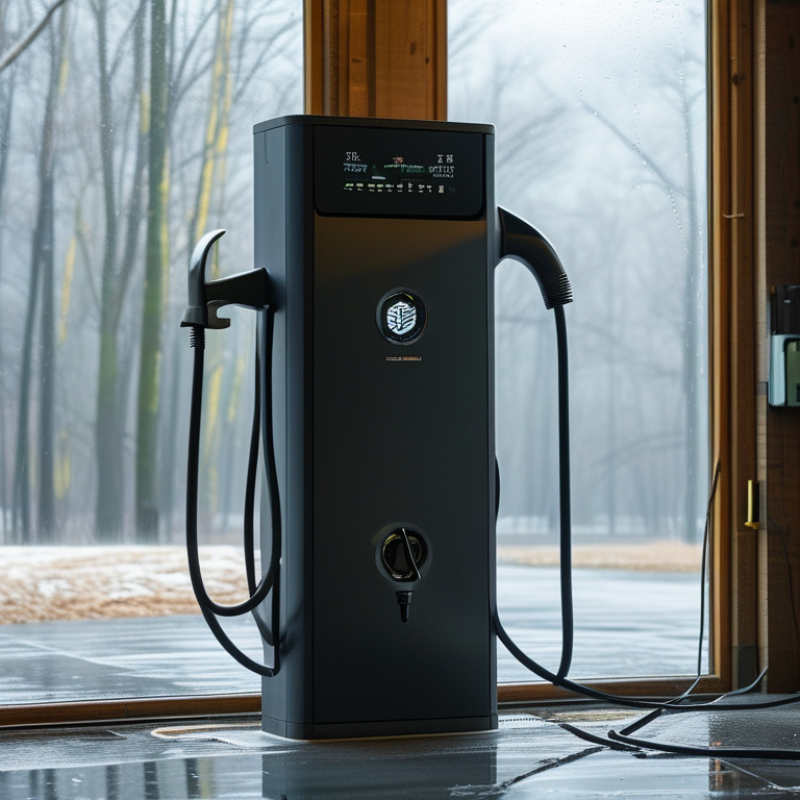
Differences in Design: Indoor vs. Outdoor EV Chargers
Indoor and outdoor EV chargers are designed for different environments, which greatly affects their performance. Indoor chargers are built to have a sleek design. They usually incorporate materials that resist wear and tear. Their compact size makes them ideal for home installations. They often rely on stable temperature conditions, ensuring efficient charging. However, they may lack protection against water or extreme humidity.
Outdoor chargers, on the other hand, are constructed to withstand various weather conditions. These chargers feature robust casings to resist water, dust, and other environmental factors. Many outdoor chargers include highly durable components that can endure temperature fluctuations without compromising function. This resilience can come with a trade-off. Some outdoor chargers can be bulkier or less aesthetically pleasing.
The performance differences also arise from temperature management. Indoor chargers often perform optimally in controlled spaces. Outdoor chargers can be affected by the elements, which sometimes leads to inconsistent charging speeds. Users might encounter longer charging times during extreme weather. Thus, understanding the intended location is essential for selecting the right EV charger.
Environmental Factors Impacting Charger Performance
Indoor and outdoor electric vehicle (EV) chargers show
notable differences in performance. One major factor is
temperature. Outdoor chargers face the elements. They can endure
freezing temperatures in winter and high heat in summer.
Such fluctuations can affect charging speeds and efficiency. Additionally, rain or snow
can lead to moisture-related issues, making the performance inconsistent.
Humidity levels also play a crucial role. High humidity can
corrode internal components. Over time, this
deterioration impacts functionality. Conversely, indoor chargers benefit from
stable climate control. These chargers operate in a
more predictable environment, enhancing their reliability. Yet, even indoors, dust and other
contaminants can affect performance, presenting their own challenges.
Location matters too. Outdoor chargers, especially in urban areas, might be subject to
vandalism or accidental damage. Indoor
chargers typically face fewer threats. However, even in secure locations,
power supply issues can arise, causing interruptions.
These performance variances prompt users to consider their charging needs carefully.
Understanding the environmental influences can
help EV owners make informed decisions about their charging infrastructure.
Charging Speed Variability in Indoor and Outdoor Settings
Charging speed can vary significantly between indoor and outdoor electric vehicle (EV) chargers. This difference is often due to environmental factors. Outdoor chargers face exposure to weather, temperature fluctuations, and dust. In contrast, indoor chargers can maintain a stable environment. This stability can enhance their performance and efficiency.
Temperature plays a crucial role in charging speed. Cold weather can slow down the chemical reactions within batteries, leading to extended charging times. Similarly, excessive heat can affect the charger’s ability to handle power effectively. For outdoor chargers, these conditions can lead to inconsistent performance. Users may find that their EV charges slower on a cold, rainy day compared to a controlled indoor setting.
Dust and moisture can also impact the reliability of outdoor chargers. Debris can block connections, potentially leading to slower charging rates. While manufacturers design chargers to withstand various conditions, outdoor environments can still present challenges. This variability emphasizes the need for users to consider their charging options based on location and climate.
Durability and Weather Resistance of EV Chargers
When it comes to EV chargers, durability is crucial. Indoor and outdoor chargers are designed differently to meet their specific environments. Outdoor chargers must withstand harsh weather conditions, including rain, snow, and extreme temperatures. These chargers typically come with robust housings made from materials that resist corrosion and UV damage. This ensures they last longer outdoors, even under constant exposure to the elements.
Weather resistance is less of a concern for indoor chargers. They are usually housed in controlled environments. However, they can still face challenges like humidity and dust. Frequent cleaning is often necessary to maintain their performance. Outdoor chargers, on the other hand, require regular checks to ensure they are functioning correctly after storms or severe weather. Users might overlook this maintenance, leading to potential issues.
Indoor chargers might not provide the same level of protection as outdoor ones. Yet, their performance can be just as reliable when properly maintained. The differences in longevity and performance reflect the design considerations for various environments. Understanding these distinctions is key for users looking to invest in the right charger for their needs. It's vital to weigh these factors carefully before making a decision.
Cost Considerations for Indoor vs. Outdoor Charging Solutions
When considering indoor versus outdoor EV chargers, cost is a significant factor. Indoor charging solutions often require less complex installation. This is due to the limited environmental challenges and easier accessibility. The upfront costs may appear lower, but they can include additional expenses for electrical upgrades or safety features not needed outdoors.
Outdoor chargers face different challenges. They need to withstand various weather conditions, which often necessitates more robust materials. Waterproof casings and weather-resistant components lead to higher initial costs. Maintenance can be a concern too. Outdoor chargers may require more frequent servicing. Dust, moisture, and temperature fluctuations can decrease their longevity and efficiency.
Installation costs vary widely. Although outdoor units may seem pricier at first glance, their durability could offset costs over time. It's essential to consider long-term investments versus immediate savings. A charger located in a protected area may face fewer issues, leading to fewer repairs and lower costs in the long run. Choosing the right option requires careful thought and understanding of both environments and their demands.
FAQS
: Temperature, humidity, and location significantly impact chargers. Outdoor chargers face more extreme conditions than indoor ones.
Extreme cold or heat can slow down charging speeds. Fluctuations cause inefficiencies in outdoor chargers.
High humidity can corrode internal components. This deterioration affects charger functionality over time.
Outdoor chargers must endure harsh weather. They use robust materials to resist corrosion and UV damage.
Indoor chargers can be reliable but may face issues from dust and humidity. Proper maintenance is critical.
Indoor chargers generally have lower installation costs. Outdoor units may require more complex setups due to environmental challenges.
Outdoor chargers need regular checks after storms. Indoor chargers, while more stable, still need cleaning.
Users should evaluate the environment, durability, and long-term costs. A well-located outdoor charger may cost less over time.
Yes, outdoor chargers can face vandalism or weather-related damage. This increases maintenance needs and potential costs.
Poor maintenance, environmental changes, and power supply issues can cause performance drops for both charger types.
Conclusion
The article "Why Do Indoor and Outdoor EV Chargers Differ in Performance?" explores the various factors that contribute to the performance differences between indoor and outdoor electric vehicle (EV) chargers. Key distinctions arise from design variations, as indoor chargers are typically optimized for controlled environments, while outdoor chargers must be built to withstand harsher conditions. Environmental factors such as temperature, humidity, and exposure to elements can significantly impact charger performance, affecting charging speed and efficiency.
Moreover, the article highlights durability and weather resistance as crucial considerations for outdoor chargers, which must endure rain, snow, and fluctuating temperatures. Cost considerations also play a role in choosing between indoor and outdoor charging solutions, as each type comes with its own set of expenses. Understanding why indoor vs outdoor EV chargers differ in terms of these characteristics is essential for users seeking optimal charging solutions that meet their specific needs and circumstances.

 Amp Link Charger