How to Choose the Best Pedestal Mounted Charging Stations?

Time:2026-03-20 Author:Mason
0%

As the demand for electric vehicles continues to rise, the importance of efficient charging solutions becomes undeniable. Industry reports estimate that by 2030, there will be over 18 million electric vehicles on the road in the U.S. alone. Thus, choosing the right Pedestal Mounted Charging Stations is critical for businesses and public infrastructures.

Dr. Emily Carter, an expert in charging technology, emphasizes, "The right charging station can significantly influence electric vehicle adoption." This statement highlights the pivotal role these stations play in supporting the automotive shift towards sustainability. However, many businesses still overlook crucial factors when selecting Pedestal Mounted Charging Stations.

Factors such as user accessibility, charging speed, and durability must be carefully considered. A poorly chosen charging station can lead to customer dissatisfaction and wasted investment. It's essential to reflect on the choices available in this expanding market. Choosing wisely can shape the future of electric mobility.
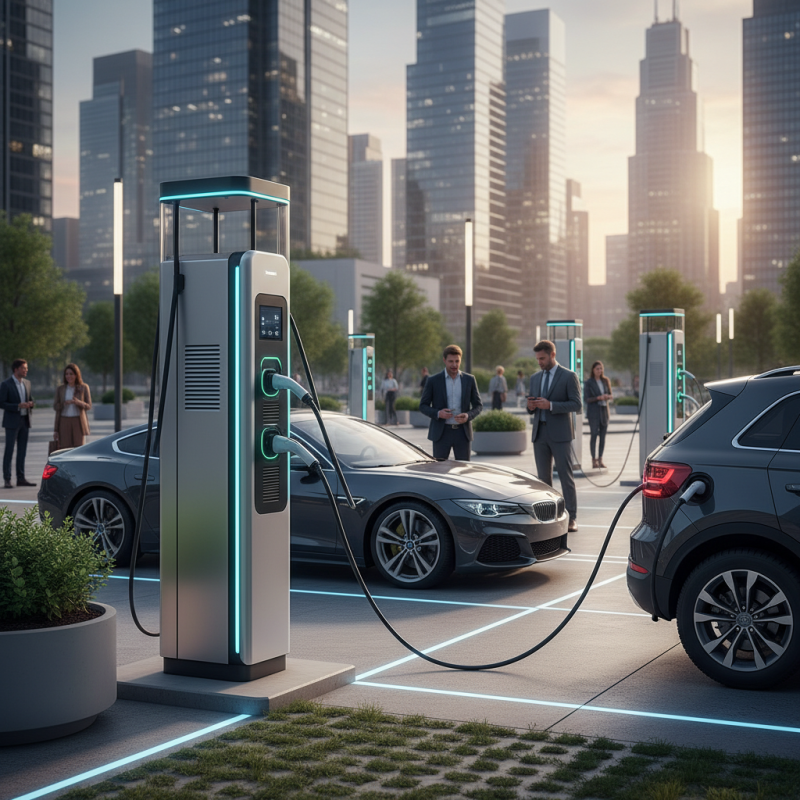
How to Choose the Best Pedestal Mounted Charging Stations?

Understanding the Different Types of Pedestal Mounted Charging Stations

When selecting a pedestal mounted charging station, you should understand the different types available. There are basic models designed for essential charging, often featuring standard outlets. These are great for outdoor areas or parking lots but may lack advanced functionalities. Another type includes stations with multiple charging ports, accommodating various devices. This design is efficient for high-traffic areas like shopping centers.

Some pedestal stations offer fast charging capabilities. These can significantly reduce waiting time for users. However, they may require more extensive installation. It's crucial to consider the power availability in your location before choosing this option. Also, sleek designs can be appealing, but they can sometimes compromise on sturdiness, especially in adverse weather.

Hybrid models combine solar power with grid sources. They promote sustainability, but installation complexity can be a drawback. Users often overlook maintenance needs, which can lead to malfunction. A well-functioning station requires regular checks to ensure reliability and safety. When making a decision, reflect on the particular needs of your area.

Evaluating Power Output and Charging Speed Requirements

When selecting pedestal mounted charging stations, evaluating power output and charging speed is critical. Different devices require varying levels of power. Some smartphones need only 5 watts, while electric vehicles might need up to 150 kilowatts. Understanding these needs helps avoid bottlenecks in charging.

Charging speed also plays a significant role. Many users prefer fast charging options to minimize their downtime. Stations that support quick charge technologies are in demand. However, compatibility is vital. Not all devices can handle higher speeds. This could lead to inefficient charging experiences.

One must consider the installation location. Urban areas may require stations capable of high traffic and quick turnover rates. In contrast, rural locations might prioritize longer charging durations with lower power output. Each scenario presents unique challenges. Evaluating these factors is essential for an optimal charging solution.

How to Choose the Best Pedestal Mounted Charging Stations? - Evaluating Power Output and Charging Speed Requirements

Model Power Output (kW) Charging Speed (miles/hour) Compatibility Features
Model A 7.2 25 Universal Weatherproof, Smart Charging
Model B 22 75 NEMA 14-50 Fast Charging, Remote Monitoring
Model C 11 40 Type 2 LCD Display, User Authentication
Model D 8 30 Rapid Charge App Control, Energy Monitoring
Model E 3.6 15 J1772 Compact Design, LED Indicators

Assessing Durability and Weather Resistance Features

When selecting pedestal mounted charging stations, durability and weather resistance should be top priorities. According to industry reports, an estimated 30% of outdoor charging stations fail within the first year due to environmental factors. Extreme temperatures and moisture can significantly impact the circuitry and housing materials. Look for models with IP65 ratings or higher, which indicate high levels of dust and water resistance.

Material choice is crucial. Stations made from stainless steel or high-grade aluminum offer better longevity. Studies suggest that such materials can extend the life of a charging station by up to 50%. However, some options, while cost-effective, may not withstand harsh conditions. It’s vital to balance price with performance when making a decision.

Many users overlook the importance of maintenance. Regular inspections can reveal potential issues before they escalate. Some installations show signs of wear and tear, even with quality materials. Ignoring this can lead to costly replacements. Finding the right charging station calls for careful consideration of these durability features and long-term reliability.

Considering Location and Space Requirements for Installation

When installing pedestal-mounted charging stations, location and space are critical. The ideal spot should be easily accessible to users. Research shows that nearly 70% of electric vehicle owners prioritize convenience. A charging station in a cramped area may deter usage. Ensuring ample space around the station is vital for a smooth user experience.

Consider the layout of the surrounding environment. Charging stations need room for vehicles to park without obstructing traffic or other activities. A survey indicated that 45% of users said they prefer stations that allow easy maneuverability. Analyze traffic patterns and foot traffic to find the best place for installation.

**Tips:** Measure the space before installation. A minimum of 5 feet around the station is optimal. Think about shading and weather protection. Users often appreciate charging stations that are sheltered from rain or direct sunlight. Regularly reassess the station's location. As electric vehicle adoption grows, demand for charging may shift, requiring adjustments.

Choosing the Best Pedestal Mounted Charging Stations

This chart displays the recommended space requirements for installing pedestal mounted charging stations based on different locations. Understanding these requirements can help ensure optimal accessibility and user experience.

Exploring Additional Features and Compatibility Options

When selecting a pedestal-mounted charging station, compatibility is crucial. Make sure the station supports all your devices. Look for charging stations that work with multiple platforms. This way, you won't be limited to one type of device. Check the specifications to ensure universal compatibility.

Consider additional features like fast charging. Stations that offer quick charge capabilities can save you time. Some models include multiple ports. This allows you to charge more than one device at a time. However, this can lead to power management issues. Not all devices will charge efficiently if overloaded.

Tips: Look for charging stations with adjustable height. This can enhance user experience. Also, examine the cord management features. Poor cord organization can lead to a messy area. Lastly, read user reviews before making a decision. They can provide insights into any potential issues.

FAQS

: What types of pedestal mounted charging stations are available?

: There are basic models for essential charging and stations with multiple ports for various devices.

Why is charging speed important when choosing a station?

Users prefer fast charging to reduce downtime, but compatibility with devices is crucial.

What power output do different devices require?

Smartphones may need 5 watts, while electric vehicles can require up to 150 kilowatts.

What should I consider regarding installation locations?

Urban areas need quick turnover stations; rural areas might require longer charging durations.

How can I ensure my charging station lasts?

Choose models with high durability ratings and made from stainless steel or high-grade aluminum.

Why is maintenance important for charging stations?

Regular inspections can prevent issues and costly replacements. Neglect can lead to malfunctions.

What are IP ratings, and why do they matter?

IP ratings indicate dust and water resistance; higher ratings mean better protection against weather damage.

How does material choice affect charging station longevity?

Durable materials can extend life by 50%, but cheaper options may not withstand harsh conditions.

What challenges might arise in different environments?

Each area presents unique challenges, making it essential to evaluate specific power and speed requirements.

Can sleek designs compromise functionality?

Yes, attractive designs might sacrifice sturdiness, particularly in adverse weather conditions.

Conclusion

When selecting the best Pedestal Mounted Charging Stations, it is crucial to understand the various types available and how they align with your specific needs. Evaluating power output and charging speed requirements will ensure that the stations can efficiently serve the intended devices. Additionally, assessing the durability and weather resistance features is essential for outdoor installations, as these factors significantly influence the longevity of the equipment.

Moreover, considering the location and space requirements for installation is vital to maximize accessibility and usability. It is also beneficial to explore additional features and compatibility options that may enhance user experience, such as smartphone integration or customizable settings. By taking these aspects into account, you can make an informed decision that meets both functionality and aesthetic criteria for your charging solutions.

Mason

Mason

Mason is a seasoned marketing professional with a deep expertise in the company's offerings and a passion for driving brand awareness. With a strong background in digital marketing strategies, he has an innate ability to connect with diverse audiences and effectively communicate product benefits.......