As electric vehicles (EVs) gain popularity, the safety of charging stations becomes paramount. Understanding what safety checks are needed for EV charging is essential for both users and operators. Regular inspections can prevent accidents and ensure efficient operation.
Charging stations must adhere to specific guidelines. Essential checks include inspecting the connections, ensuring proper grounding, and verifying the integrity of cables. Users often overlook these details. However, neglecting them can lead to serious issues.
Moreover, operators should stay updated with safety standards. Technology evolves quickly, and best practices for EV charging stations may change. It's vital to remain proactive and diligent. Each step in the safety check process is critical in providing a secure charging experience. Addressing these checks consistently is part of responsible EV management.
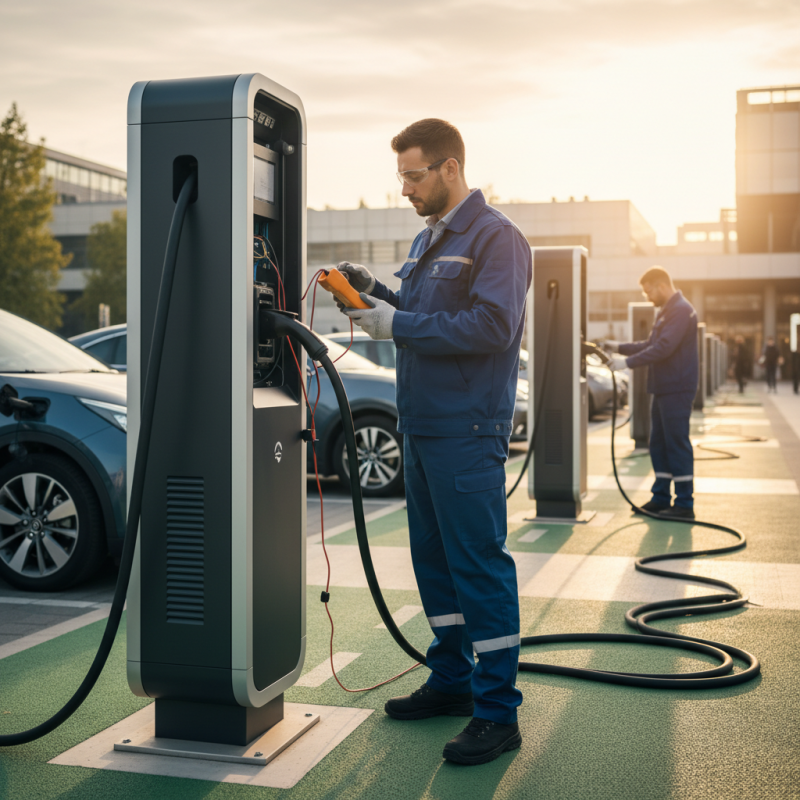
When inspecting EV charging stations, user safety is paramount. Inspectors should check for proper signage that clearly indicates charging protocols. Clear instructions help users understand how to operate the station. Proper illumination of the charging area cannot be overlooked. A well-lit station promotes safety, especially during nighttime usage.
Ground connections are critical; they must be secure and free from corrosion. Inspectors should regularly test the integrity of these connections to prevent electrical hazards. Furthermore, examining charging cables for wear and damage is essential. Any frayed edges or exposed wires can lead to dangerous situations.
Lastly, assessing the overall condition of the charging unit is important. Stations should be free from debris and have no visible signs of wear. Clean equipment helps to ensure a safe and pleasant user experience. Regular maintenance checks can identify potential issues before they become safety risks. Observing these best practices is vital for maintaining user confidence in EV infrastructure.
Grounding is a critical aspect of EV charging infrastructure. It ensures user safety and protects vehicles from electrical faults. Proper grounding prevents electrical shocks. It also minimizes the risk of fire due to faulty equipment. Without adequate grounding, the consequences can be severe.
Consider a scenario where a charging station lacks proper grounding. A user touches the vehicle and feels an electric shock. This situation can cause serious injuries. Grounding acts as a safeguard against such incidents. It effectively redirects excess electricity to the ground, ensuring safety for both users and equipment.
Moreover, grounding helps in stabilizing voltage levels. Inconsistent voltage can lead to equipment damage. Regular inspections are necessary to confirm grounding effectiveness. Many charging station operators overlook this aspect. Addressing grounding may seem tedious, but it is essential for safe operations. Ultimately, grounding is not just a technical requirement; it reflects a commitment to user safety and reliable service.
Understanding load and power ratings is critical when evaluating EV charger performance. Load ratings indicate how much energy an EV charger can deliver at one time. This impacts charging speed and efficiency. A charger with a higher load rating can charge an electric vehicle faster, reducing wait times for users. It is essential to match charging stations with the appropriate load rating based on user needs and vehicle specifications.
Power ratings, on the other hand, help assess the overall energy consumption of the charger. They reflect how much electricity the charger uses to operate. Monitoring power ratings can help facility owners manage energy consumption effectively. Regular checks of these ratings can prevent potential issues and ensure reliable service. It can be easy to overlook these details, but neglecting them may lead to insufficient charging capabilities or even infrastructure damage.
For optimal charger performance, regular assessments of load and power ratings are necessary. Awareness of these metrics helps in making informed decisions. Users should be encouraged to ask about these ratings before using a charging station. While many chargers are efficient, ensuring they meet necessary standards can sometimes be overlooked. This proactive approach can enhance the overall experience and safety.
This chart illustrates the key safety checks for electric vehicle (EV) charging stations, including their input voltage, output current, charger efficiency, compatibility of connectors, and grounding checks. Each element is essential for ensuring safe and effective charging performance.
When it comes to the installation of electric vehicle (EV) charging stations, compliance with the National Electric Code (NEC) is essential. The NEC provides clear guidelines to ensure safety and efficiency. Installers must be familiar with these regulations. It reduces the risk of electrical hazards. Following the NEC helps protect users and properties.
Understanding specific NEC requirements is crucial. For instance, proper grounding and bonding of charging stations ensure safety. Installers should verify that the circuit used for the charger can handle the load. Overloading can lead to overheating or fires. It's important to conduct regular inspections for wear and damage to cables and connections.
Not adhering to NEC can result in serious consequences. Improper installations can lead to failures or accidents. Professionals should prioritize safety at every step. Training and updated knowledge are vital. Mistakes in installation not only jeopardize user safety but could also lead to costly corrections. Staying informed and compliant with NEC guidelines is not just a regulatory issue; it is a commitment to the safety of the community.
As the demand for electric vehicles (EVs) surges, the safety of EV charging stations becomes crucial. Regular maintenance protocols are essential to ensure the safety and reliability of these infrastructures.
Data from the Electric Vehicle Charging Association indicates that nearly 20% of charging outages result from hardware failures. Regular inspections can reduce these risks significantly.
Implementing a maintenance schedule is vital. Experts recommend checking charging station components every three months. This includes evaluating the cables, connectors, and electrical systems for wear and tear. A report by the National Renewable Energy Laboratory emphasizes that 30% of charging failures are traceable to improper maintenance. Such protocols ensure that operators can identify potential hazards early.
Additionally, user training and signage must not be overlooked. Clear instructions on safe charging practices can prevent accidents.
Research shows that 15% of users are unaware of proper usage guidelines, leading to unsafe situations. Enhancing user awareness through regular updates and clear instructions can improve safety. It’s evident that continuous improvement and vigilance are necessary for maintaining the integrity of EV charging stations.
: Grounding ensures user safety and protects vehicles from electrical faults, preventing shocks and fire hazards.
Users may experience electric shocks, leading to severe injuries and equipment damage.
Grounding stabilizes voltage levels, preventing inconsistent voltage that can harm equipment.
Yes, regular inspections confirm the effectiveness of grounding and ensure safe operations.
The NEC provides guidelines for safe and efficient installation of EV charging stations.
Noncompliance can lead to electrical hazards, accidents, and costly repairs.
Proper training helps installers understand regulations and reduces the risk of negligent mistakes.
Installers must verify that the circuit can handle the charger's load to prevent overload hazards.
Mistakes may lead to dangerous situations or failures, endangering users and causing financial losses.
Addressing grounding can seem tedious, yet it is crucial for ensuring safety and reliable service.
When considering what safety checks are needed for EV charging stations, it is vital to prioritize several best practices to ensure user safety. First, a thorough inspection should be conducted to evaluate the installation and operation of the charging stations, focusing on the effectiveness of grounding in the infrastructure, which is crucial for preventing electrical faults. Understanding the load and power ratings of the EV chargers also plays a significant role in ensuring optimal performance and safety during use.
Compliance with the National Electric Code (NEC) is essential for safe installations, as it outlines the standards that must be followed. Additionally, implementing regular maintenance protocols not only enhances the safety of EV charging stations but also ensures they remain in optimal working condition. By adhering to these practices, operators can significantly reduce risks and promote a safe environment for all users.

Amp Link Charger