Fast charging technology has transformed the way we use our devices. People frequently seek answers to the question, "What are the benefits of fast charging?" This technology promises convenience and efficiency. It allows users to power up their devices in a fraction of the time it traditionally takes. Imagine being able to charge your phone from nearly empty to full in just 30 minutes or less.
One significant benefit is the enhancement of daily productivity. As we rely on our devices, quick charging means less downtime. Users can quickly grab a charge before heading out. However, not all fast charging solutions are created equal. Some devices may experience overheating or battery life concerns. These issues can affect user trust in fast charging technology. It's essential to weigh the pros and cons.
Fast charging also encourages the growth of advanced battery technology. Manufacturers are continually refining their methods to provide faster and safer charging options. These innovations benefit not only smartphones but also electric vehicles and other gadgets. As the tech landscape evolves, understanding "What are the benefits of fast charging" becomes increasingly relevant. It opens the door to a more efficient, connected lifestyle, while presenting challenges that require careful consideration.
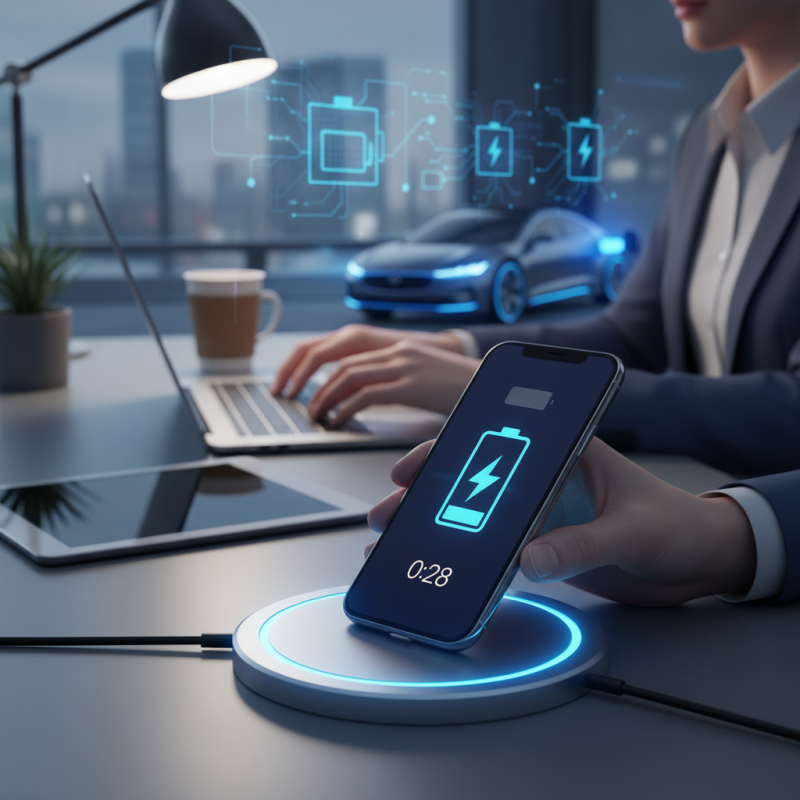
Fast charging technology has revolutionized the way we use our devices. This innovation allows for quicker power replenishment, reducing the downtime associated with charging. According to a report by the International Energy Agency (IEA), fast charging can reduce the time needed to charge an electric vehicle from several hours to just 30 minutes. This advancement is not only convenient but essential for increasing the adoption of electric vehicles.
In the smartphone sector, fast charging technology is also making waves. A study conducted by Statista indicated that over 60% of smartphone users prioritize fast charging features. The technology utilizes higher voltage and current, making charging processes significantly efficient. However, fast charging can generate more heat, which might risk the battery's lifespan. Users should consider this trade-off when enjoying the benefits of rapid charging.
While many appreciate the speed and efficiency of fast charging, it raises concerns about battery health and longevity. Research by Battery University suggests that repeatedly using fast chargers could degrade battery capacity over time. This potential downside leads to a critical reflection on how users balance speed with the overall life of their devices. Understanding these factors is essential for making informed decisions in a fast-paced tech environment.
| Benefit | Description | Impact on Users |
|---|---|---|
| Reduced Charging Time | Significantly decreases the time required to fully charge a device. | Allows users to spend less time waiting for devices to charge, enhancing convenience. |
| Increased Device Usage | Enables users to use their devices more frequently without worrying about battery life. | Promotes productivity and connectivity, especially during travel or busy schedules. |
| Enhanced Battery Life | Many fast charging technologies include features to improve overall battery health. | Prolongs the lifespan of batteries, reducing the need for replacements. |
| Compatibility with Various Devices | Many fast chargers are designed to work with multiple device types. | Increases flexibility and usability, allowing one charger for several devices. |
| User Convenience | Many fast charging solutions support wireless charging and easy docking. | Makes charging seamless and reduces cord clutter. |
: Fast charging technology allows devices to recharge significantly faster, reducing downtime for users.
It can cut charging times from several hours to about 30 minutes, encouraging EV adoption.
Yes, it can generate more heat and potentially reduce the battery's lifespan over time.
Fast charging often uses electricity from non-renewable sources, contributing to greenhouse gas emissions.
High energy demand from fast chargers can stress existing power grids, especially during peak times.
Yes, trends include higher power levels and wireless charging, but efficiency remains a concern.
Current methods lose up to 30% of energy during transfer, requiring better efficiency solutions.
Many users prioritize fast charging, but it can also lead to battery degradation with repeated use.
Users need to balance the convenience of fast charging with potential long-term impacts on battery health.
They must weigh immediate benefits against long-term environmental impacts and resource demands.
Fast charging technology has revolutionized the way we power our devices, offering significant advantages for consumers and the environment alike. To answer the question, "What are the benefits of fast charging?", we can highlight several key aspects. Firstly, fast charging reduces the time needed to recharge devices, enhancing convenience for users who rely on their gadgets throughout the day. The underlying science involves increased voltage and current levels that permit quicker energy transfer, making it possible to achieve substantial battery levels in a fraction of the usual time.
Moreover, fast charging solutions promote efficiency by enabling users to spend less time tethered to power sources, which can lead to more sustainable energy consumption overall. As technology continues to advance, we can expect even faster charging speeds and wider adoption across various devices, further solidifying the role of fast charging in minimizing our ecological footprint and improving daily lives.

 Amp Link Charger