As electric vehicle (EV) adoption grows, understanding charging options becomes vital. A central question arises: "What is the difference between level 1 and level 2 chargers?" According to industry expert Dr. Sarah Thompson, “The choice between Level 1 and Level 2 chargers dramatically impacts charging times and user experience.”
Level 1 chargers use standard household outlets, providing around 4 to 5 miles of range per hour. This solution is suitable for overnight charging but can be inconvenient for daily use. On the other hand, Level 2 chargers deliver a significantly higher output, offering about 25 to 30 miles of range per hour. This makes them ideal for home installations, workplaces, or public charging stations.
Furthermore, according to the Electric Power Research Institute, implementing Level 2 chargers increases charging speed, enhancing user satisfaction. Despite their advantages, not all consumers are aware of these differences, leading to confusion and underutilization. Understanding these key differences is crucial for optimizing EV charging strategies as we move closer to 2026.
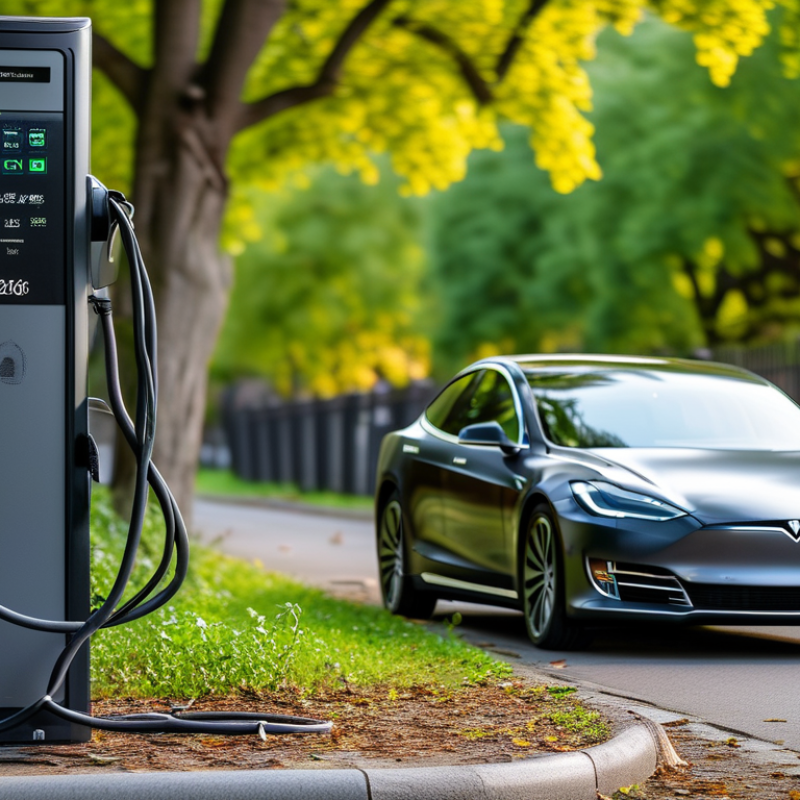
Level 1 chargers are the most basic charging options for electric vehicles (EVs). They typically use a standard 120-volt outlet found in most homes. Charging time can be slow, often taking anywhere from 8 to 20 hours to fully charge an EV. This makes Level 1 chargers suitable for overnight charging or for those who drive limited distances daily.
The specifications for Level 1 chargers are straightforward. They usually deliver around 1.4 kW of power. According to the U.S. Department of Energy, about 80 percent of EV owners primarily charge at home, often opting for slower charging to accommodate their lifestyles. For many, convenience outweighs the need for rapid charging.
**Tip:** If you frequently charge overnight, consider evaluating your usage habits to determine if a Level 1 charger is sufficient.
While they serve basic needs, there are limitations. In some cases, drivers might be frustrated by long charging times during extended trips. Understanding your driving patterns is essential. This knowledge can help you decide if upgrading to a faster charger might be worth the investment.
**Tip:** Always assess your daily mileage before deciding which charger level to install.
Ultimately, Level 1 chargers are about practicality. They meet the needs of many drivers, but advancing technology constantly challenges these basic models. Always stay updated on the latest charging solutions in the market.
When it comes to Electric Vehicle (EV) charging, Level 2 chargers stand out for several reasons. These chargers operate at a higher voltage than Level 1 options, allowing for faster charging times. Typically, they provide a charging rate of 3.3 kW to 19.2 kW, depending on the model. This translates to significant time savings for EV owners who prefer not to wait hours to charge their vehicles.
Level 2 chargers also come with various features that enhance the user experience. Many have smart technology, allowing users to monitor charging status via mobile apps. This can alert users when charging is complete or if there are any issues. Additionally, they often include safety features like ground fault protection. Despite these advantages, it's essential to acknowledge that not every home is equipped for a Level 2 installation, and retrofitting can be complicated.
The specifications of Level 2 chargers can vary widely. They can support different connector types, which is crucial for compatibility with various EV models. Moreover, charging speeds may differ based on the electrical capacity of the home. Such factors need to be considered carefully. Understanding these elements can help potential buyers make informed decisions. It's a nuanced area that deserves thoughtful consideration.
This chart illustrates the differences between Level 1 and Level 2 electric vehicle chargers in terms of charging speed and typical power output.
Level 1 and Level 2 chargers cater to different electric vehicle (EV) owners. Level 1 chargers use a standard household outlet. They typically deliver 2 to 5 miles of range per hour. This makes them ideal for overnight charging at home. However, their slow speed can be frustrating for those who drive long distances.
On the other hand, Level 2 chargers are more powerful. They can provide 10 to 60 miles of range per hour. This is beneficial for quick top-ups during the day. Many public charging stations offer Level 2 options, allowing for a faster charging experience. Installation may require a dedicated circuit, adding to the cost.
Both types have their pros and cons. Level 1 is accessible but slow. Level 2 offers speed but may require more effort to set up. Not all homes can accommodate a Level 2 installation. Choosing the right charger reflects personal needs and driving habits.
| Feature | Level 1 Charger | Level 2 Charger |
|---|---|---|
| Charging Speed | 4-5 miles of range per hour | 10-60 miles of range per hour |
| Voltage | 120 volts | 240 volts |
| Installation Cost | Low (plug-in option available) | Medium to High (requires hardwiring) |
| Portability | Highly portable | Less portable |
| Ideal Use Case | Overnight charging at home | Faster charging at home or public stations |
| Network Capability | Standard plug | Smart charging features available |
When comparing Level 1 and Level 2 chargers, the charging speed is a critical factor. Level 1 chargers use a standard home outlet, providing about 120 volts. They typically deliver around 4 to 5 miles of range per hour of charging. This means that a vehicle with a 250-mile range could take over 50 hours to fully charge. For daily users, this slow rate may be frustrating, particularly for those with longer commutes.
In contrast, Level 2 chargers deliver 240 volts, significantly increasing charging efficiency. They can provide about 25 miles of range per hour. A full charge for the same 250-mile vehicle could take as little as 10 hours with a Level 2 charger. According to the U.S. Department of Energy, Level 2 charging stations are becoming more common in residential areas, workplaces, and public locations. Their faster charging capabilities address the needs of drivers who require quick turnaround times.
However, not all users may find immediate access to these faster chargers. Installation costs for Level 2 chargers can be high. Some households might also lack the necessary electrical infrastructure. Thus, while Level 2 chargers appear to be superior, the transition can prove challenging. It raises questions about equity in EV access and the need for more public charging infrastructure.
When choosing between Level 1 and Level 2 chargers, several factors come to mind. Level 1 chargers rely on standard household outlets. They offer a slow charging speed, typically adding about four to five miles of range per hour. This option suits those with a daily commute under 40 miles. However, it lacks efficiency for longer trips. Depending on your routine, it may leave you feeling anxious about range.
On the other hand, Level 2 chargers utilize a 240-volt outlet and can significantly reduce charging time. These chargers can add around 25 miles of range every hour. For drivers who travel frequently or have larger battery capacities, this option feels like a necessity. However, consider the installation costs and the space required. A garage or dedicated parking area is often ideal.
It’s crucial to evaluate your driving habits before deciding. If you drive less often, Level 1 may suffice. For daily travelers, the investment in a Level 2 charger can be worth it for peace of mind. Each option presents its pros and cons. Ultimately, personal needs and circumstances play a key role in your decision.
: Level 1 chargers use standard 120-volt outlets. They are basic charging options for electric vehicles.
Charging times can range from 8 to 20 hours. This makes it suitable for overnight use.
Level 1 chargers typically deliver around 1.4 kW of power. They are designed for slow, practical charging.
About 80% of EV owners charge at home using Level 1 chargers. Convenience matters for many of them.
Level 2 chargers are faster, operating at higher voltages. They can charge EVs much quicker than Level 1 options.
Level 2 chargers provide 10 to 60 miles of range per hour. This is significantly faster than Level 1 chargers.
Yes, not all homes can support Level 2 installation. Retrofitting can be complicated and costly.
Many Level 2 chargers come with smart technology. This lets users monitor charging status via mobile apps.
Definitely. Understanding your daily mileage can help you decide which charger level meets your needs best.
Yes, their slow speeds can be frustrating for long-distance drivers. It's crucial to evaluate if it fits your lifestyle.
The article titled "2026 Best Level 1 versus Level 2 Chargers: What is the Difference?" provides a comprehensive overview of the two primary types of electric vehicle (EV) chargers. Understanding Level 1 chargers, which typically utilize standard household outlets, highlights their simplicity and lower installation costs, but also reveals their slower charging capabilities. Conversely, Level 2 chargers offer faster charging through dedicated circuits, making them ideal for homeowners looking for efficiency.
The key differences between Level 1 and Level 2 chargers are primarily in their charging speeds and installation requirements. Level 1 chargers are generally suitable for overnight charging at home, while Level 2 chargers are designed for quicker turnaround, often making them a preferred choice for regular EV users. The article concludes by outlining important considerations for choosing between the two options, empowering readers to make informed decisions based on their specific charging needs and circumstances.

Amp Link Charger